
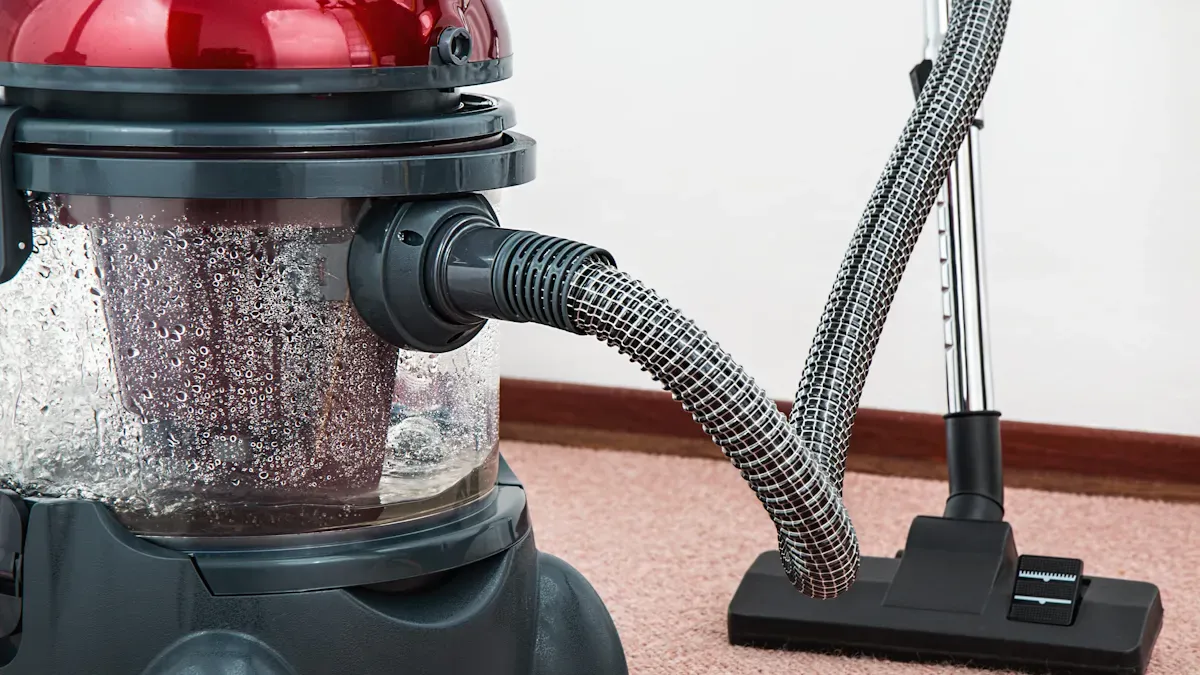

Understanding vacuum cleaner energy usage matters for your finances and the environment. High energy consumption can lead to increased electricity bills. Have you ever wondered how much your vacuum cleaner adds to your monthly costs? Or how your choice of model impacts carbon emissions? Being informed can help you make smarter choices.
Key Takeaways
Understanding wattage helps you choose a vacuum cleaner that fits your energy needs. Higher wattage often means higher energy bills.
Robot vacuums are more energy-efficient, using 60 to 100 watts compared to traditional models that can use up to 3000 watts.
Adopting smart habits, like using eco modes and maintaining your vacuum, can significantly reduce energy consumption and save money.
Vacuum Cleaner Wattage
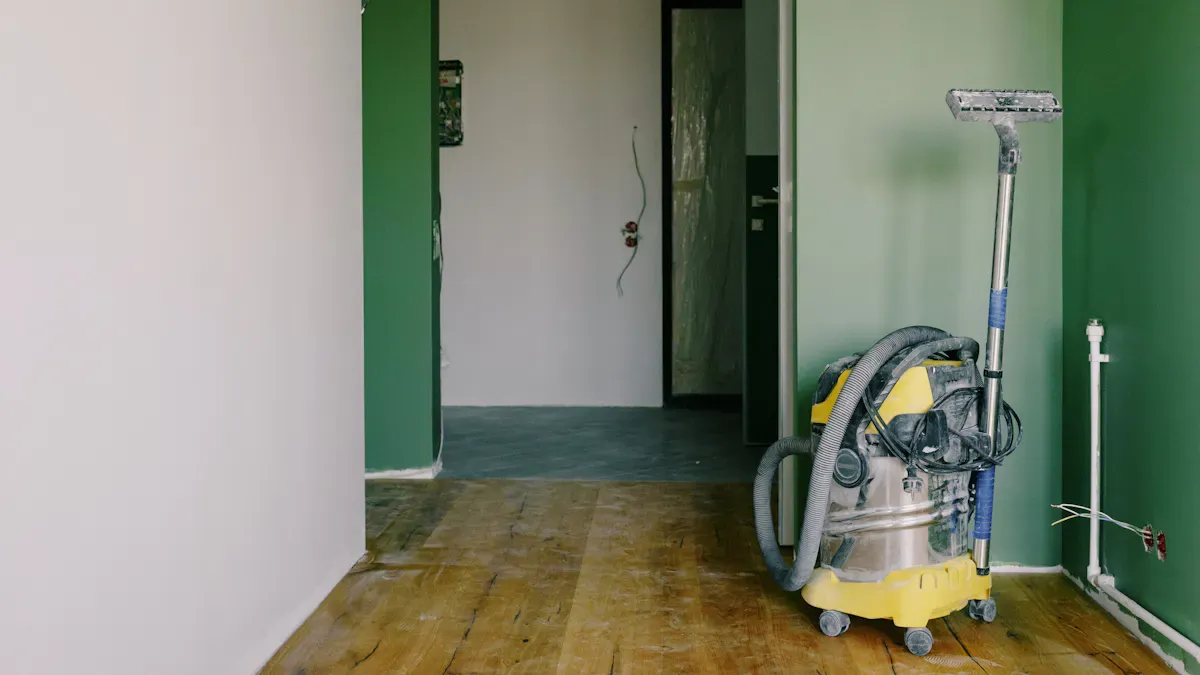
When considering vacuum cleaner energy usage, wattage plays a crucial role. Different types of vacuum cleaners consume varying amounts of power. Understanding these differences can help you choose a model that fits your energy efficiency needs.
Upright and Canister Models
Upright and canister vacuum cleaners typically have higher wattage ranges compared to other models. Here’s a breakdown of their average wattage:
Upright vacuum cleaners: 500 to 3000 watts
Canister vacuum cleaners: 600 to 1,440 watts
These wattage ranges indicate that upright models can consume significantly more energy, especially at higher settings. If you frequently use your vacuum cleaner, this can impact your electricity bill.
Robot Vacuums
Robot vacuums are designed to be more energy-efficient. They usually operate at much lower wattage levels. Here’s what you can expect:
Power consumption during cleaning: 60 to 100 watts
Annual energy consumption: Robot vacuums consume between 60 to 100 watts per hour, while traditional upright models can use between 500 to 1,500 watts per hour.
This means that robot vacuums require five to 25 times less energy to operate than their traditional counterparts.
To illustrate the differences in energy usage, consider the following table:
Model | Power Consumption (Watts) | Annual Usage (kWh) |
|---|---|---|
Shark ION Robot | 80 | 58.24 |
Ecovacs Deebot T9 | 75 | 54.3 |
Narwal Freo | 45 | 16.43 |
This data shows that robot vacuums not only save energy but also reduce your overall vacuum cleaner energy usage. By choosing a robot vacuum, you can enjoy a cleaner home while being kinder to your wallet and the environment.
Factors Influencing Energy Usage
Motor Power
Motor power significantly affects vacuum cleaner energy usage. The power specification, measured in watts, helps you understand how much energy your vacuum consumes. Higher wattage often suggests more power, but it does not always mean better cleaning efficiency. For accurate comparisons, focus on the motor input power in watts rather than just the total electrical consumption, which includes amperage.
Several factors influence how motor power impacts energy consumption:
Factor | Description |
|---|---|
Vacuum Level | Higher vacuum levels require more power to maintain due to increased pressure differences. |
Flow Rate | A higher flow rate demands more power to move the increased volume of air or gas. |
Efficiency of Blower | More efficient blowers consume less power for the same performance level, reducing energy waste. |
System Resistance | Increased resistance in the system requires the blower to work harder, leading to higher power consumption. |
Understanding these factors can help you choose a vacuum cleaner that balances power and efficiency.
Cleaning Modes
Cleaning modes also play a crucial role in energy consumption. Many modern vacuum cleaners offer different modes, such as eco and turbo, which can significantly affect how much energy you use. Here are some key points to consider:
Eco mode can reduce energy consumption and lower your utility bills. It allows for shorter cleaning times, which contributes to less power usage.
For example, on TASKI AERO vacuum cleaners, activating eco mode can halve motor consumption, leading to cost savings and a more sustainable cleaning option.
Switching between cleaning modes can help you find a balance between power usage and runtime. The following table illustrates how different modes impact energy consumption:
Cleaning Mode | Runtime (minutes) |
|---|---|
Eco | Up to 50 |
Mid | Up to 20 |
Turbo | Up to 12 |
Eco (with tools) | Up to 59 |
Turbo (with tools) | Up to 14 |
Your cleaning habits also influence energy usage. For instance, if you live in a low-traffic home with one or two people, you might vacuum every two to three weeks. In contrast, families with kids or pets may need to vacuum at least once a week. High-traffic homes might require vacuuming two to three times a week.
By understanding how motor power and cleaning modes affect vacuum cleaner energy usage, you can make informed choices that save energy and reduce costs.
Reducing Vacuum Cleaner Energy Usage
Energy-Efficient Models
Choosing energy-efficient vacuum cleaners can significantly lower your energy bills. Here are some top models to consider:
Eureka ReactiSense NEC451BL
Bosch Unlimited 10 BCS1041TUC
Roborock H60
Kenmore 200 Series DS2010
Bissell PowerClean 4173
Shark IX141AMZ
Ecovacs Deebot T30C
Eufy Omni C20
Roborock Q10 X5+
Shark PowerDetect ThermaCharged RV2920XE
Look for certifications that indicate energy efficiency. The EU Energy Label System and Energy Star Certification are two reliable indicators. These certifications show that a vacuum cleaner uses less power, which helps you save money and supports environmental efforts.
Smart Usage Tips
You can also adopt smart habits to reduce vacuum cleaner energy usage. Here are some practical tips:
Optimize Cleaning Modes: Use eco modes for regular cleanings to save energy.
Regular Maintenance: Keep your vacuum clean and well-maintained. This ensures efficient operation and prevents clogs that increase power consumption.
Smart Scheduling: Schedule cleaning sessions based on your home’s traffic patterns. This helps you avoid unnecessary vacuuming.
Adjust Cleaning Frequency: Tailor how often you vacuum based on how dirty your home gets. Less frequent cleaning can save energy.
Limit Runtime: Set a timer for less messy areas to avoid overuse.
Monitor Energy Usage: Consider using smart plugs to track how much energy your vacuum consumes.
By following these tips and choosing energy-efficient models, you can significantly reduce your vacuum cleaner energy usage and save money on your electricity bills.
Understanding vacuum cleaner energy usage is essential for making informed choices. Here are some key takeaways:
Key Point | Explanation |
|---|---|
Wattage vs. Suction | Higher wattage does not guarantee better cleaning performance. |
Efficiency Focus | Modern vacuums optimize energy use while maintaining suction power. |
Regulatory Impact | EU regulations limit vacuum wattage, prompting better efficiency. |
By choosing energy-efficient models and adopting smart habits, you can reduce energy consumption and save money. Consider these benefits:
Energy efficiency lowers greenhouse gas emissions.
Reduced waste from washable filters minimizes environmental impact.
Improved indoor air quality enhances your living space.
Make conscious choices today for a cleaner home and a healthier planet!
FAQ
What is the average wattage of a vacuum cleaner?
Most vacuum cleaners range from 500 to 3000 watts, depending on the model type.
How can I reduce my vacuum cleaner’s energy usage?
Use eco modes, maintain your vacuum regularly, and adjust cleaning frequency based on your home’s needs.
Are robot vacuums more energy-efficient than traditional models?
Yes, robot vacuums typically consume 60 to 100 watts, significantly less than traditional models that use 500 to 1500 watts.
