

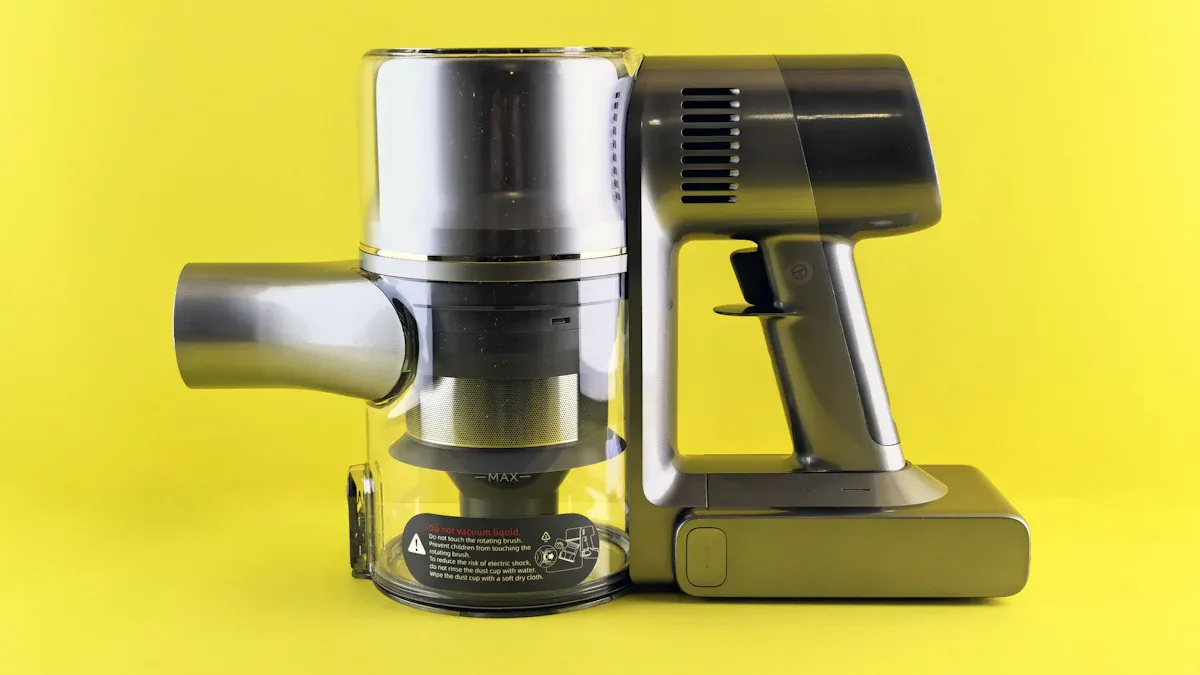
When choosing a vacuum cleaner, cleaning performance matters most. You want a device that effectively removes dirt, dust, and allergens from your home. Interestingly, around 68% of new vacuum sales globally are bagless models, which often do not require a vacuum cleaner bag. This preference highlights a significant trend in consumer choices. Additionally, surveys show that high-performing vacuums earn better ratings, especially those with advanced filtration systems. Such features not only enhance cleaning efficiency but also improve air quality, making your living space healthier.
Key Takeaways
Bagged vacuums provide reliable cleaning performance and maintain consistent suction, making them ideal for various floor types.
HEPA filters in bagged vacuums capture 99.97% of allergens, improving air quality and reducing exposure during disposal.
Bagless vacuums offer convenience by eliminating the need for bags, but they may struggle with dust containment, affecting air quality.
Regular maintenance of bagless vacuums is crucial to prevent dust from escaping back into your home, especially for allergy sufferers.
Consider your cleaning needs: choose bagged vacuums for better filtration and less mess, or bagless for lower upfront costs and convenience.
Vacuum Cleaner Bags
Cleaning Performance
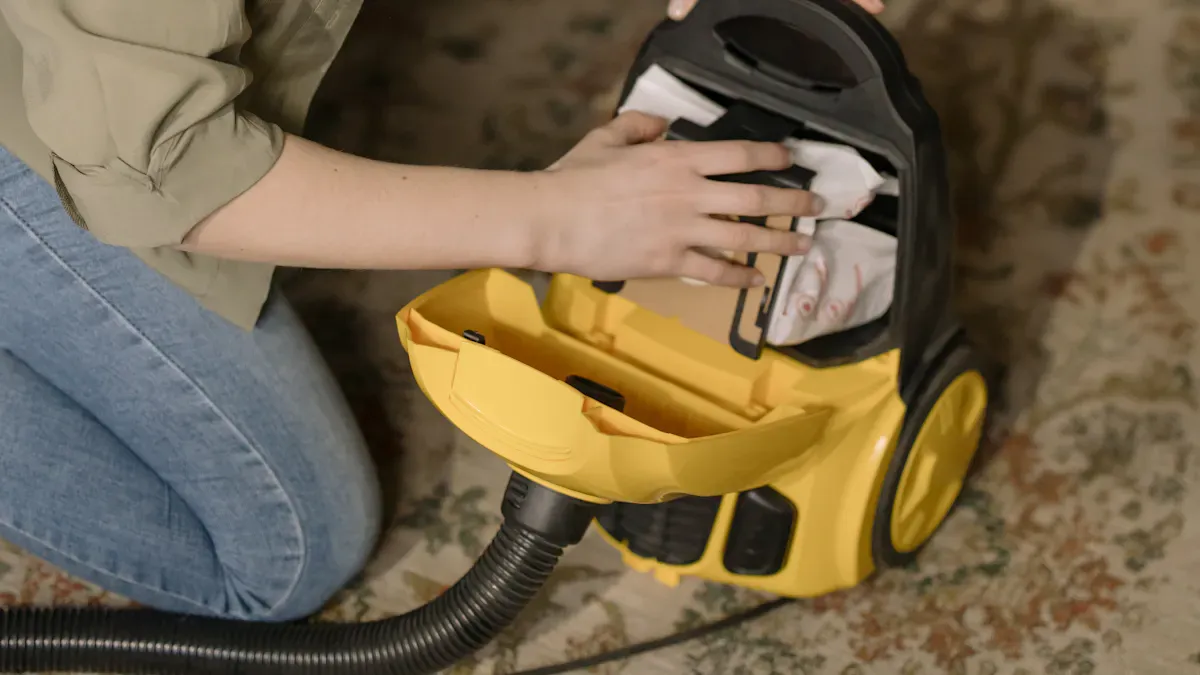
When you use a vacuum cleaner bag, you can expect reliable cleaning performance across various floor types. Bagged vacuum cleaners excel on hardwood floors, easily picking up dust and debris. For carpets, they require strong suction and airflow to remove dirt embedded in the fibers. A brush roll is essential for carpets, as it agitates the fibers to dislodge dirt. However, ensure that the brush roll is adjustable or can turn off to prevent damage to delicate carpets.
Suction Power
One of the standout features of bagged vacuum cleaners is their consistent suction power. Unlike bagless models, which often lose suction as their dust containers fill up, bagged vacuums maintain peak performance. This means you can clean your home without worrying about a drop in suction as the bag fills. This reliability makes bagged vacuums a preferred choice for many households.
Filtration
Filtration is another critical aspect of bagged vacuum cleaners. Many models come equipped with HEPA filters, which capture 99.97% of particles as small as 0.3 microns. This includes allergens like dust mites, pollen, and pet dander. Here are some advantages of using bagged vacuums with HEPA filters:
They provide multiple layers of protection, ensuring allergens remain trapped and do not escape back into your home.
Changing the bag involves no direct contact with dust, minimizing your exposure to allergens during disposal.
High-capacity bags reduce the frequency of emptying, which is especially beneficial during peak allergy seasons.
Bagless Vacuums
Cleaning Performance
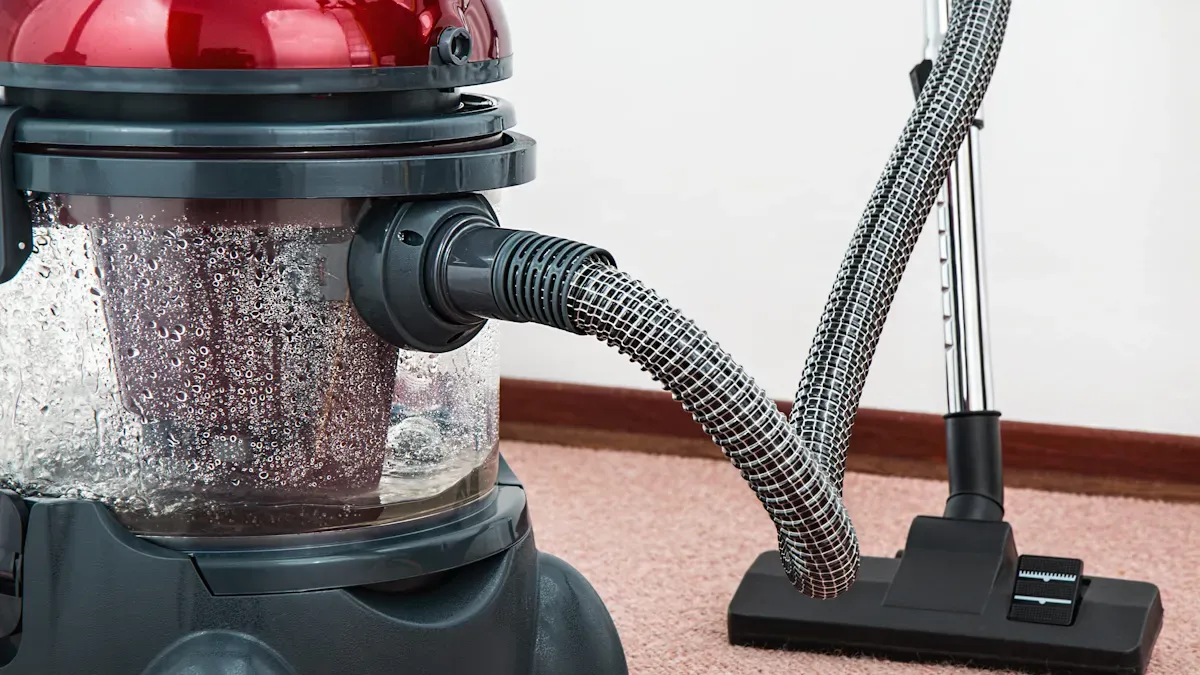
Bagless vacuum cleaners offer a unique approach to cleaning your home. They often provide convenience by eliminating the need for replacement bags. However, their cleaning performance can vary. Many bagless models struggle to seal away dust and debris effectively. This can lead to dust escaping back into your home during use. If you are concerned about air quality, consider that salespeople and technicians often recommend bagged models for better allergen control.
Bagless vacuums may not capture fine dust as effectively as bagged vacuums.
Frequent emptying of the dust container can reintroduce pollutants into the air.
For households with allergy sufferers, a bagged vacuum with a HEPA filter is often a better choice.
Suction Power
When it comes to suction power, bagless vacuums can be hit or miss. Some modern bagless models, like those from Dyson, utilize multi-cyclonic suction systems. These systems help maintain suction even as the dust canister fills. However, many bagless vacuums lose suction as the dust cup fills up. This inconsistency can hinder your cleaning efforts, especially on carpets or when tackling pet hair.
Bagged vacuums maintain consistent suction as the bag fills, ensuring effective cleaning.
Bagless vacuums may require more frequent emptying, which can affect performance.
If you have pets, a bagged vacuum may provide better results for hair removal.
Filtration
Filtration is crucial for maintaining a healthy home environment. Bagless vacuums often come with filters that can trap allergens, but they require regular maintenance. Emptying the dust bin can release fine particles back into the air, increasing allergen exposure.
Bagless vacuums with HEPA filters can effectively clean daily messes but have challenges for allergy sufferers.
Regular cleaning of filters is necessary to avoid allergen recirculation.
A sealed HEPA system ensures that all exhaust air passes through the filter, preventing allergens from re-entering your space.
In laboratory conditions, emptying a bagless vacuum can temporarily increase airborne particle levels by up to 1,000%. These particles can linger in the air for 20-30 minutes after emptying. If you live in a poorly ventilated area, this can significantly impact your air quality.
Comparative Analysis
Performance Metrics
When comparing bagged and bagless vacuum cleaners, you should consider several performance metrics. A table below summarizes key differences:
Performance Metric | Cyclone Separators | Baghouse Filters |
|---|---|---|
Efficiency (>10 µm) | 70% – 95% | ≥99.9% |
Efficiency (1–5 µm) | ≤50% – 70% | ≥99.5% |
Operating Pressure Drop | 2 – 6 in. w.g. | 4 – 6 in. w.g. |
Max Temperature | >1000°F (540°C) | 275°F – 500°F (Media dependent) |
Bagged vacuums generally provide superior filtration and dust management compared to bagless models. When emptying a bagless vacuum, some dust can re-enter the air, which is a concern for air quality.
Maintenance
Maintenance requirements differ significantly between bagged and bagless vacuums. The table below outlines these differences:
Type | Maintenance Frequency | Cost Range |
|---|---|---|
Bagged | Every 2-3 months (light use) | Affordable, varies by brand/model |
Every few weeks (larger homes/pets) | ||
Bagless | High (wash filters, clean bin often) | N/A |
Bagged models require less frequent emptying and are less likely to develop odors. In contrast, bagless vacuums often create a dust plume that can irritate your sinuses.
User Experience
User experiences also vary between the two types. Here’s a summary of common complaints and praises:
Vacuum Model | Complaints | Praises |
|---|---|---|
Bissell CleanView 9595 | Short power cord, brushroll cannot be turned off | Good reviews, strong suction, capable on pet hair, carpet, and hard surfaces |
Hoover Windtunnel Air Bagless Upright (UH70400) | Issues with hose attachment, limited pet hair ability | Respectable suction, easy-to-empty dust canister, lightweight, maneuverable |
Quality bagged vacuums maintain strong suction until the bag is about 75% full. Bagless vacuums often suffer from clogged cyclone assemblies, leading to decreased performance.
In summary, both bagged and bagless vacuums have unique strengths and weaknesses. Here are the key points to consider:
Bagged vacuums are less messy to empty and better for allergy sufferers. They contain dirt in disposable bags, which minimizes dust release during disposal.
Bagless vacuums save on bag costs but can leak dust, which may aggravate allergies. They often require more frequent filter replacements, adding to long-term costs.
When choosing a vacuum, consider your cleaning needs and preferences. If you prioritize air quality and less mess, a bagged vacuum may be the better choice. However, if you prefer convenience and lower upfront costs, a bagless model could work for you.
FAQ
What are the main advantages of bagged vacuums?
Bagged vacuums offer superior filtration, capturing allergens effectively. They maintain consistent suction power and minimize dust release during disposal. This makes them ideal for allergy sufferers and households with pets.
How often should I change the vacuum bag?
You should change the vacuum bag every 2-3 months for light use. For larger homes or homes with pets, consider changing it every few weeks to maintain optimal performance.
Are bagless vacuums more cost-effective?
Bagless vacuums eliminate the need for replacement bags, saving you money in the long run. However, they may require more frequent filter replacements and maintenance, which can add to overall costs.
Can I use a bagless vacuum on carpets?
Yes, many bagless vacuums work well on carpets. Look for models with strong suction and adjustable brush rolls to effectively remove dirt and pet hair from carpet fibers.
How do I maintain a bagless vacuum?
To maintain a bagless vacuum, regularly empty the dust bin and clean the filters. This prevents clogs and ensures optimal suction. Follow the manufacturer’s guidelines for specific maintenance tips.
