


You should prioritize vacuum cleaner cleaning regularly to keep it working effectively. Aim for a thorough vacuum cleaner cleaning at least once a month, but if you vacuum frequently, consider doing it every two weeks. A clean vacuum helps control dust in your home. Studies show that regular vacuuming, especially with HEPA filters, significantly reduces dust accumulation. This not only keeps your space cleaner but also improves air quality. Developing good habits, like emptying the dust bin and cleaning filters, can make a big difference in managing dust levels.
Key Takeaways
Regularly empty your vacuum’s dust bin to maintain suction power. Aim to do this every 2-3 cleaning sessions for optimal performance.
Clean or replace filters according to their type. True HEPA filters should be replaced every 3 years, while HEPA-type filters need more frequent changes.
Keep the brush roll clean to enhance vacuum efficiency. Clean it monthly, or every two weeks if you have pets or high-traffic areas.
Inspect and clean vacuum hoses monthly to prevent clogs. This ensures strong airflow and effective dust control.
Schedule deep cleaning of your vacuum every 3 to 6 months. This helps eliminate hidden dust and allergens, promoting a healthier home.
Empty Dust Bin Regularly
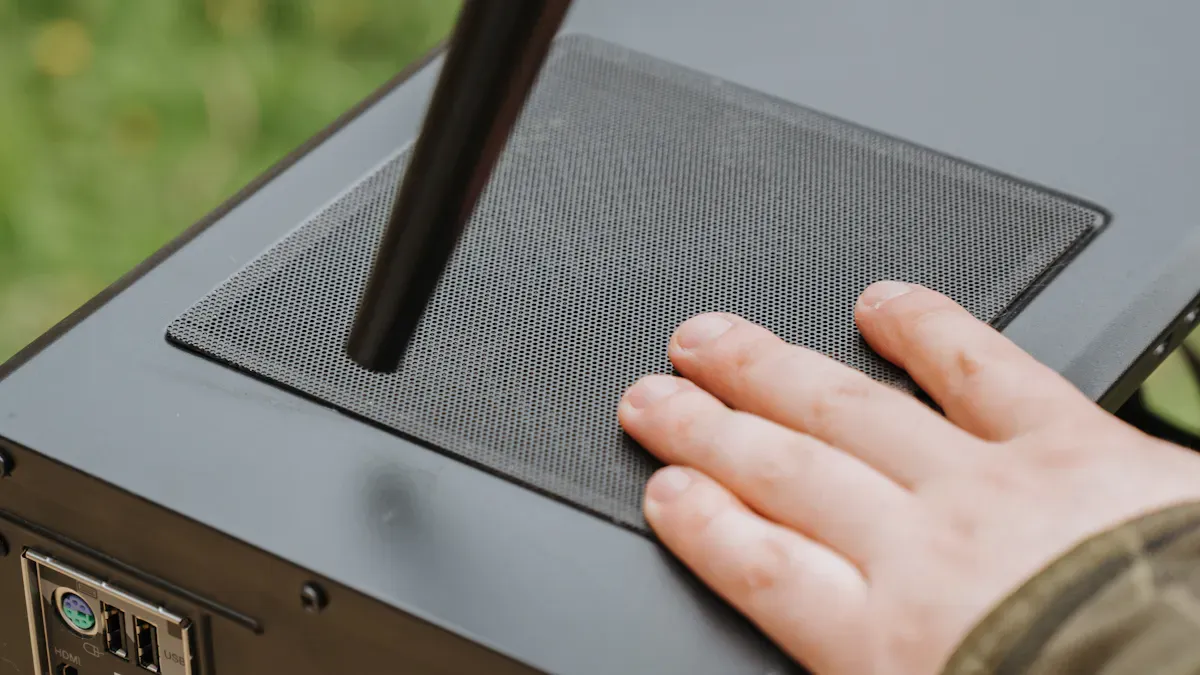
Frequency of Emptying
Emptying the dust bin is crucial for effective vacuum cleaner cleaning. When you let the dust bin fill up, it can lead to reduced suction power and performance. To keep your vacuum running smoothly, aim to empty the dust bin every 2–3 cleaning sessions if your vacuum has a dust cup capacity of about 1 liter. If you vacuum frequently, consider emptying it after each use. This simple habit can significantly improve dust control in your home.
How to Empty Properly
Properly emptying your vacuum cleaner’s dust bin is just as important as the frequency. Here are some tips to help you do it right:
Avoid letting the dust bin get too full: This can cause clogs and reduce performance. For bagless models, empty the bin after each use. If you have a bagged vacuum, change the bag when it’s about half full.
Use a trash bag: When emptying the dust bin, hold it over a trash bag to catch any dust that may escape. This helps keep your cleaning area tidy.
Clean the bin: Occasionally, wash the dust bin with warm soapy water to remove any residue. Make sure it’s completely dry before reattaching it to the vacuum.
By following these habits, you’ll maintain your vacuum cleaner’s efficiency and enhance your dust control efforts. Regular maintenance not only keeps your vacuum in top shape but also contributes to a cleaner home environment.
Clean or Replace Filters
Types of Filters
Filters play a vital role in dust control within your vacuum cleaner. They trap dust and allergens, preventing them from being released back into the air. The most common types of filters you’ll encounter are:
True HEPA Filters: These filters capture at least 99.97% of airborne particles larger than 0.3 microns. They were developed in the 1950s for nuclear research and are now standard in many household vacuum cleaners. Health organizations recommend them for their effectiveness in improving air quality.
HEPA-type Filters: Often marketed as HEPA, these filters may not meet the same standards as True HEPA filters. Their dust retention efficiency is typically less than 99.97%, which means they might not be as effective in controlling dust.
Here’s a quick comparison of filter types:
Filter Type | Dust Retention Efficiency | Notes |
|---|---|---|
True HEPA | 99.97% | Meets U.S. Department of Energy standards for particle size of 0.3 microns. |
HEPA-type | < 99.97% | Marketing term without official definition, often indicates lower performance. |
Recommended Cleaning Schedule
Keeping your filters clean is essential for maintaining your vacuum’s performance. Here’s a simple schedule to follow:
True HEPA Filters: Replace them every 3 years, but check them regularly. If you live in a dusty environment, consider changing them more often. Some manufacturers suggest testing their integrity every 6 to 12 months.
HEPA-type Filters: These should be replaced more frequently, especially if you notice a decline in suction power. Aim for every 6 to 12 months, depending on usage and environment.
By adopting these habits, you’ll ensure your vacuum cleaner cleaning remains effective, enhancing your dust control efforts. Regular maintenance of your filters not only prolongs the life of your vacuum but also contributes to a healthier home environment.
Clean Brush Roll
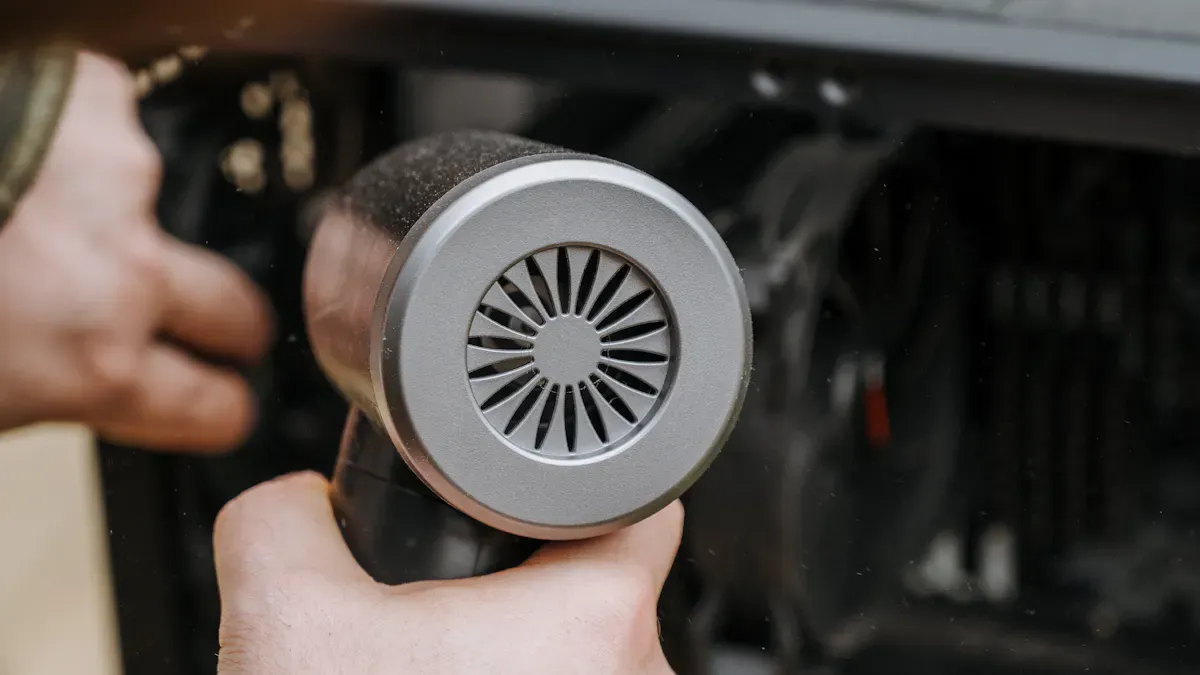
Frequency of Cleaning
Keeping your brush roll clean is essential for effective vacuuming. A dirty or clogged brush roll can prevent proper spinning, which diminishes your vacuum’s cleaning efficiency. This issue becomes especially significant when you’re trying to extract hair and debris from deep carpet fibers. To maintain optimal performance, aim to clean the brush roll every month. If you have pets or frequently vacuum high-traffic areas, consider cleaning it every two weeks. Regular maintenance helps ensure your vacuum cleaner cleaning remains effective and keeps dust at bay.
Steps to Clean the Brush Roll
Cleaning the brush roll might seem daunting, but it’s a straightforward process. Follow these steps to keep your brush roll in top shape:
Safety First: Unplug the vacuum and wear gloves to protect your hands.
Remove the Nozzle: Detach the nozzle to access the brush roll easily.
Cut off Trapped Hair: Use scissors or a seam ripper to carefully cut away any hair or fibers wrapped around the brush.
Remove Dirt and Debris: Clean the brush with a bristle brush and mild detergent to remove any remaining dirt. This will help maintain its effectiveness.
After cleaning, reassemble the vacuum by following these steps:
Unplug the machine: Ensure safety before starting.
Lay the vacuum down: Position it to access the brush roll.
Remove screws: Use a screwdriver to take off the brush cover.
Lift the brush: Remove the brush from the vacuum.
Clear debris: Inspect and clean the brush roll thoroughly.
Reassemble: Replace the brush and cover securely.
By incorporating these cleaning habits into your routine, you’ll enhance your vacuum’s performance and keep your home dust-free.
Inspect and Clean Hoses
How Often to Inspect
Inspecting your vacuum cleaner hoses is essential for maintaining optimal dust control. Clogged hoses can significantly hinder airflow, leading to reduced suction and less effective cleaning. To keep your vacuum performing at its best, you should inspect the hoses at least once a month. If you notice a drop in suction power or if you frequently vacuum pet hair or debris, consider checking them more often.
Here are some quick tips for inspecting your hoses:
Look for visible blockages or kinks.
Check for any tears or damage.
Use a flashlight to see inside the hose for hidden clogs.
Cleaning Techniques
Cleaning your vacuum cleaner hoses can help prevent clogs and maintain airflow. Here are some effective techniques you can use:
Reverse Suction: Disconnect the hose and use your vacuum to suck the clog backwards. Alternatively, you can use a second vacuum or shop vac to blow air through the hose or suck the clog out from the opposite end.
Washing the Hose: If the hose is just dirty, fill a bathtub with warm, soapy water. Submerge the hose, swish it around, rinse thoroughly, and let it dry completely before reattaching it.
Regular maintenance of your hoses not only improves dust control but also extends the life of your vacuum cleaner. By adopting these habits, you’ll ensure that your vacuum cleaner cleaning remains effective and your home stays dust-free.
Remember, a little effort goes a long way in keeping your vacuum in top shape!
Wipe Down Vacuum Exterior
Keeping your vacuum cleaner’s exterior clean is just as important as maintaining its internal components. A clean exterior not only looks good but also prevents dust and dirt from transferring back into your home. Regularly wiping down your vacuum helps you maintain a hygienic environment and prolongs the life of your appliance.
Recommended Frequency
Aim to wipe down your vacuum cleaner at least once a month. If you use it frequently or have pets, consider doing this every two weeks. This habit ensures that dust and grime don’t build up, making it easier to keep your vacuum in top shape.
Best Cleaning Materials
When it comes to cleaning your vacuum’s exterior, using the right materials makes a big difference. Here are some recommended cleaning products:
Soft lint-free cloth: This is perfect for gently wiping surfaces without scratching.
Microfiber cloths: These are great for trapping dust and dirt effectively.
Soft-bristled brush: Use this to get into crevices and remove stubborn dirt.
Flexible brush: This can help reach tight spots that are hard to clean.
Compressed air canister: This is useful for blowing dust out of hard-to-reach areas.
To clean, simply dampen your cloth with water or a mild cleaning solution. Avoid harsh chemicals, as they can damage the vacuum’s finish. Gently wipe down all surfaces, paying special attention to areas that collect dust.
By adopting these cleaning habits, you’ll not only keep your vacuum cleaner looking new but also enhance its performance. A clean vacuum means better dust control in your home, contributing to a healthier living environment.
Store Vacuum Properly
Storing your vacuum cleaner properly can significantly affect its performance and lifespan. When you don’t store it right, you risk damaging components and reducing its efficiency. Here are some ideal storage conditions to keep in mind:
Ideal Storage Conditions
Humidity Control: Keep humidity levels below 60% to prevent mold growth inside your vacuum.
Temperature Management: Avoid extreme temperatures. Storing your vacuum in warm conditions (77°F to 86°F) can harm the motor and plastic parts.
Ventilation: Ensure good air circulation around your vacuum. This helps disperse moisture and prevents mold spores from settling.
Tips for Safe Storage
To maintain your vacuum’s efficiency, follow these simple storage habits:
Empty the Dustbin or Change the Bag: Always store your vacuum with an empty dustbin or a fresh bag. This prevents odors and ensures maximum suction.
Clean or Tap Out Filters: Rinse washable filters and ensure they are dry. For non-washable filters, tap them to remove dust.
Wipe Down the Exterior: Use a damp cloth to clean the vacuum’s exterior. This prevents grime buildup and keeps it looking new.
Check for Damage or Blockages: Inspect the brush roll and hose for any tangles or blockages before storing.
Wrap Cords Neatly: Coil the power cord loosely and secure it to prevent tangling.
Gather and Store Attachments: Keep all attachments together in a labeled container to avoid losing them.
For specific types of vacuums, consider these additional tips:
Upright Vacuum Cleaners: Store them in a designated closet space, ensuring wall clearance and avoiding tight corners.
Canister Vacuum Cleaners: Coil the hose gently and store the wand properly in a dedicated cabinet or shelf.
By adopting these cleaning habits and storage practices, you’ll ensure your vacuum cleaner remains in top shape, ready to tackle dust whenever you need it!
Use Right Attachments
Using the right attachments can significantly enhance your vacuum cleaner’s dust control capabilities. Each tool serves a unique purpose, allowing you to clean various surfaces and reach hard-to-access areas. For instance, the Dust Brush is perfect for delicate surfaces like picture frames, while the crevice tool helps you tackle tight corners. Here’s a quick look at some features of specialized attachments:
Feature | Description |
|---|---|
Swivel Joints | Provide high flexibility for navigating around furniture and tight spaces. |
Soft Bristles | Glide smoothly over delicate surfaces without scratching. |
Adjustable Height | Allows optimal performance on various floor types for thorough cleaning. |
Frequency of Attachment Use
To keep your vacuum cleaner cleaning effective, use the right attachments regularly. You should switch between them based on the surfaces you’re cleaning. For example, use the upholstery brush for furniture and the crevice tool for corners. This habit ensures you maximize dust removal from all areas of your home.
Cleaning Attachments
Cleaning your vacuum attachments is just as important as using them. Here are some tips to keep them in top shape:
Wash attachments like the crevice nozzle or upholstery brush in warm, soapy water occasionally. Let them dry completely before reattaching.
For motorized mini-tools, avoid submerging the motorized parts in water. Instead, wipe the plastic and clear hair from the brush rolls once a month.
Check the brush roll every 1-2 months to remove hair, string, or other materials.
By incorporating these cleaning habits, you’ll ensure your vacuum cleaner remains efficient and effective in controlling dust. Regular maintenance of your attachments not only prolongs their life but also contributes to a cleaner home environment.
Schedule Regular Deep Cleaning
Deep cleaning your vacuum cleaner is essential for effective dust control. Regular vacuuming removes visible dirt, but deep cleaning tackles hidden dangers like mold and bacteria. These microorganisms can thrive in damp areas, leading to respiratory issues. By scheduling deep cleaning sessions, you can significantly reduce dust levels in your home.
Frequency of Deep Cleaning
Aim to deep clean your vacuum every 3 to 6 months. If you have pets or allergies, consider doing it every 2 to 3 months. Establishing a regular cleaning schedule helps prevent dust from accumulating to noticeable levels. Consistency is key when it comes to dust control.
What to Include in Deep Cleaning
When you deep clean your vacuum, make sure to include these important tasks:
Empty the Bag/Canister Frequently: This prevents odors and ensures maximum suction.
Check for Blockages: Inspect hoses and attachments for clogs that can hinder performance.
Clean or Replace Filters: Keeping filters clean is crucial for maintaining airflow and dust control.
Use a Criss-Cross Pattern for Carpets: This method ensures thorough cleaning of carpet fibers.
Employ a Two-Pass Method for Hard Floors: This technique helps pick up more dust and debris.
Utilize Attachments: Use tools like the crevice tool, upholstery brush, and dusting brush for detailed cleaning.
By incorporating these tasks into your deep cleaning routine, you’ll enhance your vacuum cleaner cleaning and keep your home dust-free. Remember, a clean vacuum means a healthier living environment!
Monitor Dust Levels
How to Assess Dust Levels
Monitoring dust levels in your home is essential for effective cleaning. You can use several methods to assess how much dust is present. Here are some effective techniques:
Questionnaires: These can help identify dust sources, the structure of your home, and even your health status.
Videotaping: This non-intrusive method allows you to monitor dust exposure and pinpoint specific locations and times for sampling.
Sampling Techniques: Hand wipes can collect dust for analysis, helping you understand the specific aspects of dust in your environment.
By using these methods, you can get a clearer picture of your home’s dust situation.
Adjusting Cleaning Habits Accordingly
Once you know your dust levels, you can adjust your cleaning habits to keep your home fresh and healthy. For instance, if you have pets, allergies, or children, you should vacuum more often. Here’s how to adapt your routine:
Increase Frequency: Regular vacuuming helps maintain indoor air quality. For most households, aim for at least once or twice a week. If you notice higher dust levels, consider vacuuming more frequently.
Use the Right Attachments: Make sure to use appropriate attachments for different surfaces. This ensures you capture as much dust as possible.
Monitor Changes: Keep an eye on how dust levels fluctuate. If you notice an increase, it might be time to step up your cleaning efforts.
By staying aware of dust levels and adjusting your vacuum cleaner cleaning habits, you can create a healthier living environment. Remember, a little extra effort goes a long way in keeping dust at bay!
Maintaining your vacuum cleaner is essential for keeping dust at bay and improving your indoor air quality. By adopting habits like emptying the dust bin regularly, cleaning or replacing filters, and inspecting hoses, you can enhance your vacuum cleaner cleaning routine. Remember, using high-efficiency vacuums with HEPA filters can capture 99.97% of microscopic particles, which is crucial for reducing allergens.
Make these practices part of your cleaning schedule. A little effort goes a long way in creating a cleaner home environment. So, roll up your sleeves and start today!
FAQ
How often should I clean my vacuum cleaner?
You should clean your vacuum cleaner at least once a month. If you vacuum frequently or have pets, consider cleaning it every two weeks. Regular upkeep helps prevent dust accumulation and keeps your vacuum performing well.
What are common sources of dust in my home?
Common sources of dust include pet dander, pollen, and dirt tracked in from outside. High-touch surfaces like furniture and electronics also collect dust. Identifying these sources can help you develop practical cleaning habits to reduce dust levels.
Why is not vacuuming regularly a problem?
Not vacuuming regularly allows dust and allergens to build up in your home. This can lead to poor air quality and health issues. Establishing a consistent cleaning routine helps control dust accumulation and keeps your living space healthier.
How can I improve my cleaning routine?
To improve your cleaning routine, focus on high-touch surfaces and areas prone to dust. Use the right attachments for your vacuum and schedule regular deep cleaning sessions. These maintenance habits will enhance your vacuum’s effectiveness and reduce dust.
What should I include in my vacuum maintenance habits?
Your vacuum maintenance habits should include emptying the dust bin, cleaning or replacing filters, and inspecting hoses. These steps ensure your vacuum operates efficiently and helps control dust in your home.
