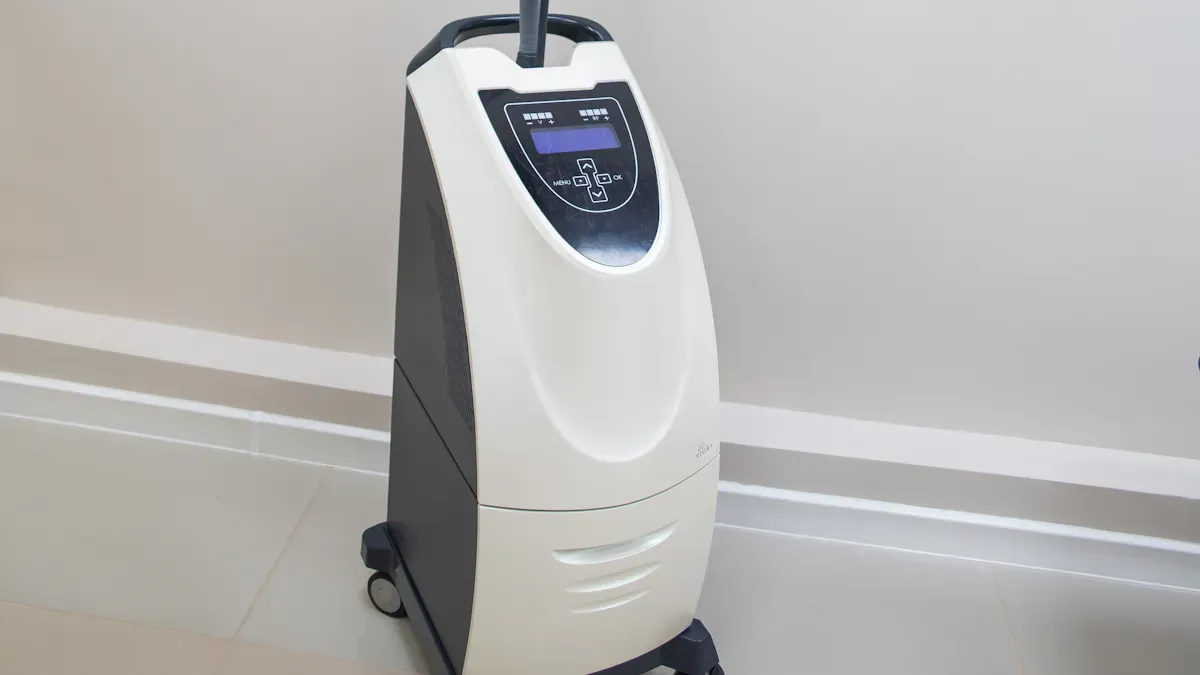
You may have heard about central vacuum systems, which are becoming increasingly popular in modern homes. These systems offer efficient cleaning solutions that tackle common challenges you face with traditional vacuums. For instance, they provide stronger suction power and reduce clogs, which means less hassle during your cleaning routine. As you explore the benefits of central vacuum systems, you’ll discover how they can enhance your home cleaning experience.
Cleaning Efficiency

Suction Power
Central vacuum systems stand out due to their impressive suction power. This power comes from advanced motor technology that delivers strong airflow and suction pressure. For example, leading models like the GA-200 and GA-240 offer air watts ranging from 850 to 1160. This means they can effectively remove dirt and debris from various surfaces, ensuring a thorough clean.
Here’s a quick comparison of some popular central vacuum models and their specifications:
Model | Best For | Air Watts | CFM | Water Lift | Filtration | Recommended Size | Voltage |
|---|---|---|---|---|---|---|---|
GA-40 | Smaller homes | 533 | 120 | 128″ | Bag / Filter | Up to 3,500 sq ft | 120V |
GA-80 | Most homes | 650 | 130 | 143″ | Bag / Filter | Up to 7,500 sq ft | 120V |
GA-100 | Cyclonic / no bags | 670 | 134 | 130″ | Cyclonic | Up to 9,000 sq ft | 120V |
GA-200 | Large homes | 850 | 196 | 160″ | Bag / Filter | Up to 15,000 sq ft | 120V |
GA-240 | Maximum power | 1160 | 215 | 199″ | Bag / Filter | Up to 15,000 sq ft | 240V |
The higher the air watts, the more cleaning power you get. This strong suction helps you clean carpets, upholstery, and hard floors more effectively than traditional vacuums.
Time Savings
Using a central vacuum system can significantly reduce your cleaning time. These systems allow you to clean larger areas quickly and efficiently. With powerful suction, you can pick up dirt and debris in fewer passes. This efficiency means you spend less time vacuuming and more time enjoying your home.
Several factors contribute to this time-saving benefit:
Factor | Explanation |
|---|---|
Reduced Labor Costs | Automates cleaning tasks, reallocating personnel to critical functions, lowering payroll expenses. |
Increased Productivity | Allows simultaneous cleaning, minimizing disruptions and maximizing uptime, leading to higher output. |
Reduced Downtime | Enables quick cleaning during operations, maintaining continuous production schedules. |
By investing in a central vacuum system, you streamline your cleaning routine. You can tackle messes faster, making your home maintenance easier and more manageable.
Health Benefits of Central Vacuum Systems
Indoor Air Quality
A central vacuum system significantly improves your indoor air quality. Unlike traditional portable vacuum cleaners, these systems vent exhaust air outside your home. This feature prevents allergens and fine dust from recirculating in your living space. If you suffer from allergies or asthma, this benefit is crucial. You can breathe easier knowing harmful particles do not return to your environment.
Allergen Reduction
Central vacuum systems excel at superior allergen removal. They use HEPA filters that capture a wide range of allergens, including:
Dust
Pet dander
Mold
Studies show that HEPA filters can improve respiratory symptoms in individuals sensitive to these allergens. For example, research by Francis et al. indicates that HEPA air cleaners enhance asthma outcomes for adults living with pets. Similarly, Gore et al. found significant reductions in cat allergens when using HEPA filters.
Moreover, Batterman et al. reported a 30% to 70% reduction in particulate matter with HEPA filters. This reduction plays a vital role in alleviating respiratory issues. Bernstein et al. also demonstrated that HEPA filtration can lower airborne mold levels, contributing to better allergen control.
By choosing a central vacuum system, you invest in your health and well-being. You create a cleaner, healthier home environment that supports your family’s health.
Convenience and Ease of Use
User-Friendly Design
Central vacuum systems offer a user-friendly design that makes cleaning easier for you. These systems feature lightweight hoses, allowing for effortless maneuverability compared to traditional vacuum cleaners. You can easily navigate around furniture and tight spaces without feeling weighed down. Here’s a quick look at some key features that enhance usability:
Feature | Description |
|---|---|
Lightweight and Maneuverable | Central vacuums use a lightweight hose, making them easier to handle than heavy upright vacuums. |
Versatile Cleaning Options | Attachments cater to various surfaces, enhancing cleaning efficiency across different areas. |
Larger Capacity | Central vacuum systems have a bigger dust collection unit, reducing the frequency of emptying. |
Ease of Use | Strategically placed wall inlets minimize the need to carry equipment up and down stairs. |
This design not only simplifies your cleaning routine but also makes it more enjoyable. You can clean your home without the hassle of dragging a heavy vacuum around.
Less Frequent Emptying
Another significant advantage of a central vacuum system is its larger dirt collection capacity. Unlike traditional vacuum cleaners, which require frequent emptying, central vacuums can often go months without needing to be emptied. This feature saves you time and effort.
Feature | Central Vacuum Systems | Traditional Vacuum Cleaners |
|---|---|---|
Dust Collection Capacity | Larger, allowing for less frequent emptying | Smaller, requiring more frequent emptying |
Maintenance Frequency | Less frequent due to larger bags | More frequent due to smaller bags |
With a central vacuum system, you can focus on cleaning rather than constantly stopping to empty the bin. This convenience is especially beneficial for homes with pets, as you can efficiently manage pet dander and other debris without interruption.
Long-Term Value
Durability
Central vacuum systems offer impressive durability, often lasting over twenty years with proper maintenance. According to sources like The Spruce and HausVac, these systems can endure for two decades or more. Their longevity stems from high-quality materials and construction methods. Here’s a quick look at the types of piping used in central vacuum systems:
Piping Type | Diameter (inches) | Material Type | Advantages | Disadvantages |
|---|---|---|---|---|
Thin-wall Piping | 1+13⁄16 – 2 | Plastic | Less likely to clog, lighter weight | May not be as durable in exposed installations |
Schedule 40 Pipe | 2 | Standard Plumbing | Thicker walls increase durability, widely available | Heavier, less flexible, requires special adapters |
These materials contribute to the system’s overall strength and reliability, ensuring you get a product that stands the test of time.
Home Investment
Investing in a central vacuum system can also enhance your home’s value. Potential buyers often view these systems as a desirable feature, especially for homes with pets or allergy sufferers. The convenience and efficiency of a central vacuum system can make your home more appealing in the real estate market.
Additionally, the long-term maintenance costs for central vacuum systems are relatively low. You can expect to spend around $30-50 per year on bags and filters. Regular maintenance includes emptying the canister and checking filters, which is less frequent than the upkeep required for traditional vacuum cleaners.
Central vacuum systems also contribute to energy efficiency. They operate on standard electrical outlets and do not consume more electricity than conventional vacuums. This efficiency leads to lower electricity bills and a smaller carbon footprint. By capturing dust and dirt in a separate unit, these systems prevent allergens from recirculating in your home, providing long-term health benefits for you and your family.
Central vacuum systems offer numerous advantages that can transform your cleaning routine. Here are some key benefits to remember:
Improved Air Quality: These systems effectively remove allergens and dust, enhancing your indoor environment.
Superior Suction Power: They provide powerful cleaning capabilities, making it easier to tackle embedded dirt.
Convenience: Lightweight hoses and larger dirt canisters simplify the cleaning process and reduce maintenance frequency.
Investing in a central vacuum system not only boosts your home’s value but also contributes to a healthier living space. Consider the long-term benefits of installing one in your home for a cleaner, more efficient cleaning experience.
FAQ
What is a central vacuum system?
A central vacuum system is a built-in cleaning solution that uses a network of pipes installed in your home. It connects to a powerful motor unit, allowing you to clean efficiently without dragging a heavy vacuum around.
How does a central vacuum improve indoor air quality?
Central vacuums vent exhaust air outside your home. This feature prevents allergens and dust from recirculating, creating a clean air home. It’s especially beneficial for those with asthma or allergies, as it helps control dander and other irritants.
Can a central vacuum help with allergy control?
Yes! Central vacuum systems use HEPA filters that capture allergens like dust, pet dander, and mold. This filtration significantly reduces airborne particles, making it easier for allergy sufferers to breathe comfortably.
How often do I need to empty the central vacuum?
You typically empty a central vacuum system every few months, depending on usage. Its larger capacity means less frequent maintenance compared to traditional vacuums, which require more regular emptying.
Are central vacuum systems suitable for homes with pets?
Absolutely! Central vacuum systems are ideal for homes with pets. They effectively manage pet dander and hair, contributing to better allergy control and a cleaner living environment.