

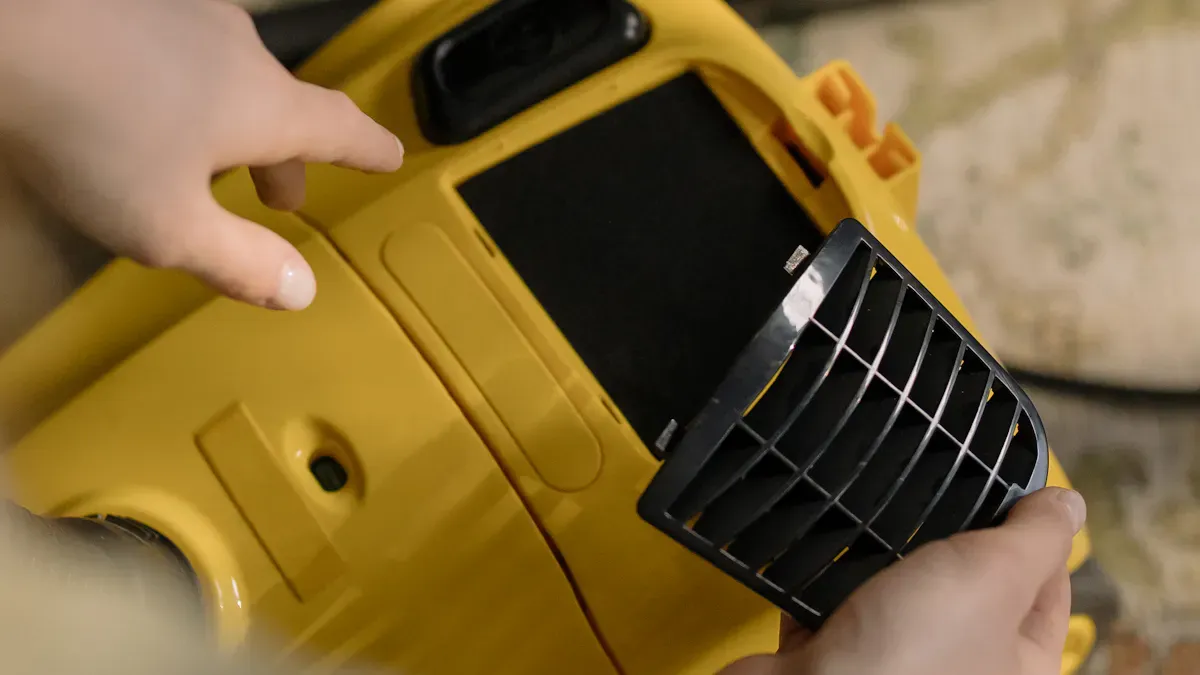
Understanding the differences between vacuum bags and reusable filters is crucial for making informed choices. These distinctions impact several factors, including hygiene, cost, and maintenance. For example, disposable vacuum bags are projected to capture 39.3% of the market share by 2026. They provide a sealed system that traps dust, reducing the risk of allergens escaping back into the air. In contrast, reusable filters may require frequent cleaning, which can lead to dust exposure. Knowing these differences helps you choose the best option for your cleaning needs.
Key Takeaways
Vacuum bags provide better dust retention and allergen control, making them ideal for allergy sufferers.
Regularly replace vacuum bags every 3 to 6 months to maintain optimal performance and air quality.
Reusable filters can save money over time but require frequent cleaning to ensure efficiency.
Consider the long-term costs of vacuum bags versus reusable filters to make an informed choice.
Choose the option that best fits your cleaning habits and preferences for a more effective cleaning experience.
Hygiene and Air Quality
Dust Retention
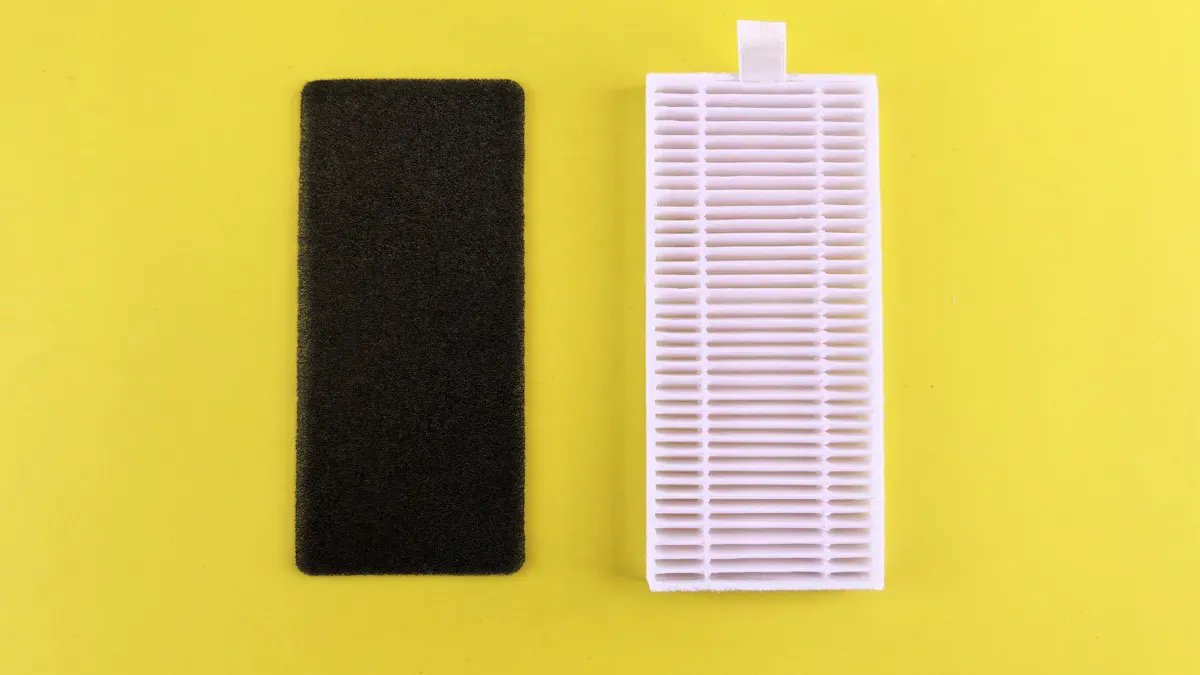
When you use vacuum bags, you benefit from their ability to seal in dust and debris effectively. This sealing mechanism prevents dust from escaping back into your home, which can significantly improve your indoor air quality. Bag filtration systems capture dust, pollen, and other airborne particles, reducing particulate matter in your environment. In fact, HEPA filters can trap about 99.97% of particles that are 0.3 microns in size. This high efficiency means that you can breathe easier, especially if you have allergies or respiratory issues.
Feature | Description |
|---|---|
Filters | Filters to 0.5 microns for airborne particles, water, and slurry. |
Heavy-Duty Dust Bags | Hold up to 15 lbs of wet or dry debris for job site, workshop, and home use |
Secure Sealable Cap | Locks in place to prevent dust leak, ensuring safe and mess-free disposal |
Designed for Safer Disposal | Helps contain silica, lead, asbestos, and hexavalent chromium |
Micro Pre-Filter Bags | Capture 99.97% of particles at 0.5 microns, effective for dust collection |
Allergen Control
If you suffer from allergies, choosing the right vacuum can make a significant difference. Bagged vacuums excel in allergen control. They capture 99.9% of allergens and provide a hygienic disposal method. This means you reduce your exposure to irritants when you empty the bag. In contrast, bagless vacuums can release a significant amount of allergens back into the air during emptying. Clinical studies show that bagged vacuums with HEPA filters release 50% fewer particles into the air compared to bagless models. An Atlanta allergist explains it well: “It’s like the difference between taking out trash in a sealed bag versus dumping loose garbage—one keeps contaminants contained, the other spreads them everywhere.” For effective allergen management, you should choose vacuums with a sealed system. Bagged vacuums trap allergens permanently, while bagless models can re-release them into your home.
Cost Comparison
When you consider the costs of vacuum bags versus reusable filters, you need to look at both initial and long-term expenses.
Initial Costs:
Vacuum bags often have a lower upfront cost. You can find traditional disposable vacuum bags at various price points. However, the cost can add up quickly if you need to replace them frequently.
Reusable filters may cost more initially, but they can last for years with proper maintenance.
Long-Term Costs:
Over time, the cost of buying vacuum bags can exceed the price of a reusable filter. If you vacuum regularly, you might spend more on bags than you would on a single filter.
Consider this: if you buy a pack of vacuum bags for $20 and each pack contains five bags, you might need to replace them every month. That adds up to $240 a year!
Aftermarket Options:
Aftermarket vacuum bags can be cheaper than original equipment manufacturer (OEM) bags. However, they may not perform as well. Here are some factors to consider:
Fit and seal quality: OEM bags fit perfectly, preventing air leaks and maintaining suction.
Airflow efficiency: Proper airflow is crucial; aftermarket bags may disrupt this balance.
Durability and construction: OEM bags are made from high-quality materials, ensuring they withstand wear and tear better than cheaper alternatives.
Filtration performance: OEM bags meet specific filtration standards, capturing a high percentage of allergens, unlike many aftermarket options.
Maintenance and Convenience
When it comes to maintenance, vacuum bags and reusable filters offer different experiences. Understanding these differences can help you choose the right option for your cleaning needs.
Vacuum Bags: You should replace vacuum bags approximately every 3 to 6 months under normal conditions. If you have pets or vacuum frequently, consider changing them every 3 months. Some users report reusing their vacuum bags up to five times, depending on the task. However, many find that they typically replace a disposable bag after about three uses. This means you might get around two years of use from a box of five bags.
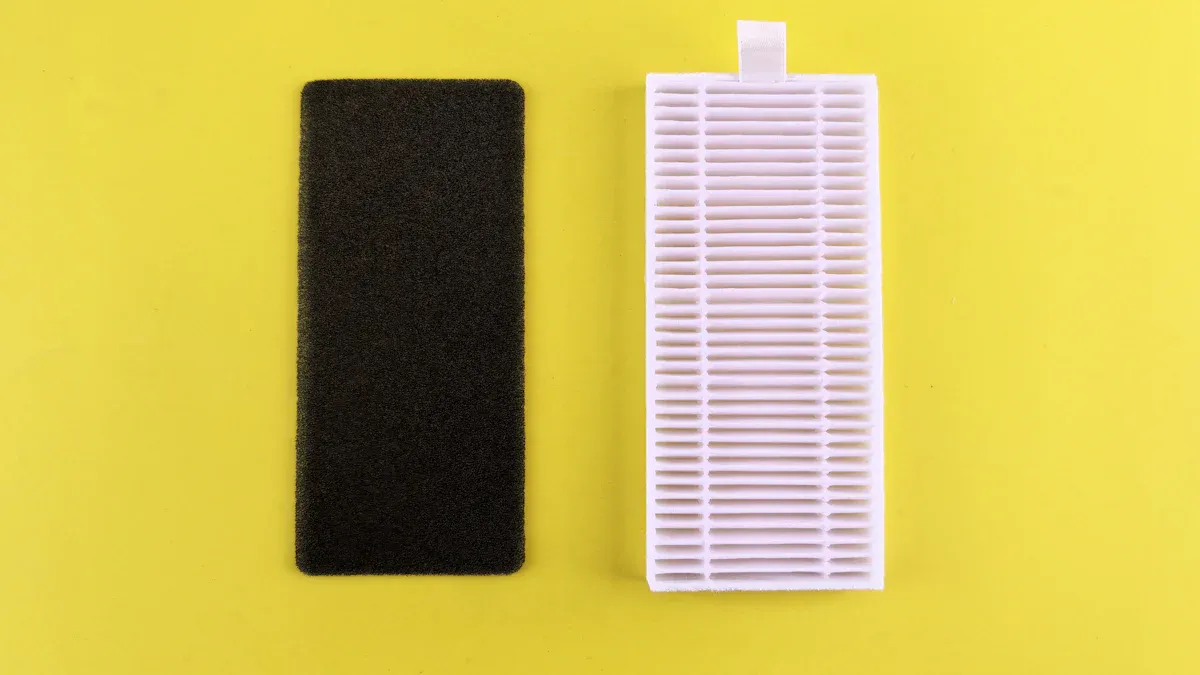
Reusable Filters: These require more frequent cleaning. Ideally, you should clean your reusable filters every few days. You can wash them with water, but remember to air-dry them before reuse. This regular cleaning helps maintain optimal filtration performance. Neglecting this can lead to reduced airflow and dust buildup, which affects your vacuum’s efficiency.
Tip: Regular maintenance is crucial for both options. For vacuum bags, ensure you do not overfill them. For reusable filters, clean them often to avoid dust clogging.
Common maintenance issues arise with both systems. Users often report reduced airflow due to dust-clogged filter bags or overfilled dust hoppers. Dust breakthrough at the system outlet can indicate damaged filter bags or improper installation. Excessive differential pressure may signal dust overload on filter surfaces.
In terms of convenience, replacing vacuum bags is generally easier than cleaning filters. You simply dispose of the bag and insert a new one. This process minimizes your exposure to dust and allergens. On the other hand, cleaning filters can be messy and time-consuming. You must ensure they are completely dry before using them again, which can delay your cleaning routine.
Ultimately, your choice between vacuum bags and reusable filters will depend on your cleaning habits and preferences.
Performance Factors
When you consider performance, suction power plays a crucial role in how well your vacuum cleaner operates. Bagged vacuums maintain consistent suction power, even as they fill with dirt. This means you can clean effectively without worrying about losing suction. In contrast, bagless vacuums often experience a decline in suction as they accumulate debris. As the bag fills, the pores become clogged, obstructing airflow and reducing cleaning efficiency.
Tip: Regularly check your vacuum bag’s fullness to ensure optimal performance. A full bag can hinder your vacuum’s ability to pick up dirt effectively.
Longevity and durability are also important factors. Vacuum bags are designed to hold a significant amount of dirt before needing replacement. You can typically use a bag for several months, depending on your cleaning habits. This durability means fewer trips to the store for replacements.
Reusable filters, on the other hand, require regular cleaning to maintain their effectiveness. While you can clean and reuse them multiple times, neglecting maintenance can lead to clogged filters. Clogged filters can damage your vacuum cleaner’s motor over time.
“Reusable vacuum filters can be cleaned and reused multiple times, which encourages users to maintain them regularly. In contrast, disposable filters need to be replaced once they are full, leading to more frequent purchases.”
Choosing the right vacuum bags or filters impacts overall performance. Proper selection ensures optimal suction power, reduces the risk of damage to your vacuum cleaner, and improves indoor air quality.
Vacuum bags are a cost-effective option for many users.
They help reduce landfill waste.
Choosing reusable bags supports a greener lifestyle while maintaining quality.
Ultimately, understanding these performance factors will help you make an informed decision about which option best suits your cleaning needs.
Choosing between vacuum bags and reusable filters significantly impacts your cleaning experience. Each option has unique advantages. For instance, vacuum bags offer better dust retention and allergen control, while reusable filters can save you money over time.
Consider these factors when making your decision:
Different vacuum models require specific designs, affecting compatibility and performance.
Disposable bags need replacement when full, while reusable filters lose effectiveness over time.
Regular cleaning or replacement of filters is essential to maintain suction and improve air quality.
Ultimately, assess your cleaning habits and preferences to find the best fit for your needs.
FAQ
What are the main benefits of using vacuum bags?
Vacuum bags effectively trap dust and debris, improving air quality. They also provide better allergen control, making them ideal for allergy sufferers. Their sealed design prevents allergens from escaping during disposal.
How often should I replace vacuum bags?
You should replace vacuum bags every 3 to 6 months, depending on usage. If you have pets or vacuum frequently, consider changing them every 3 months for optimal performance.
Can I reuse vacuum bags?
While some users attempt to reuse vacuum bags, it’s not recommended. Reusing them can lead to reduced suction and increased dust exposure. It’s best to replace them when full.
How do reusable filters compare in maintenance?
Reusable filters require regular cleaning every few days. You can wash them with water, but ensure they dry completely before reuse. Neglecting this can reduce airflow and vacuum efficiency.
Are vacuum bags more cost-effective than reusable filters?
Initially, vacuum bags may seem cheaper, but long-term costs can add up. If you vacuum often, reusable filters may save you money over time due to their durability.
