Keeping your Vacuum Mop Water Tank in top shape is essential for effective cleaning. Many users encounter problems like blockages from inappropriate cleaning solutions or neglecting to maintain mop pads. These issues can hinder performance and lead to frustration. By following these tips, you can enhance your cleaning routine and avoid common pitfalls. Ready to make your cleaning experience smoother? Let’s dive in!
Key Takeaways
Use the right cleaning solution to prevent damage and ensure optimal performance. Check your vacuum mop’s manual for recommended products.
Clean the water tank regularly to avoid clogs and maintain efficiency. Aim for a cleaning routine based on your usage frequency.
Maintain proper water levels in your vacuum mop to prevent leaks and ensure effective cleaning. Always check the tank before starting.
Customize your vacuum mop’s settings for different surfaces and messes. Adjust suction power and water levels for the best results.
Store your vacuum mop properly in a cool, dry place. Empty the tank and remove mop pads to prevent mold and ensure readiness.
Tip 1: Use the Right Cleaning Solution
Compatible Solutions
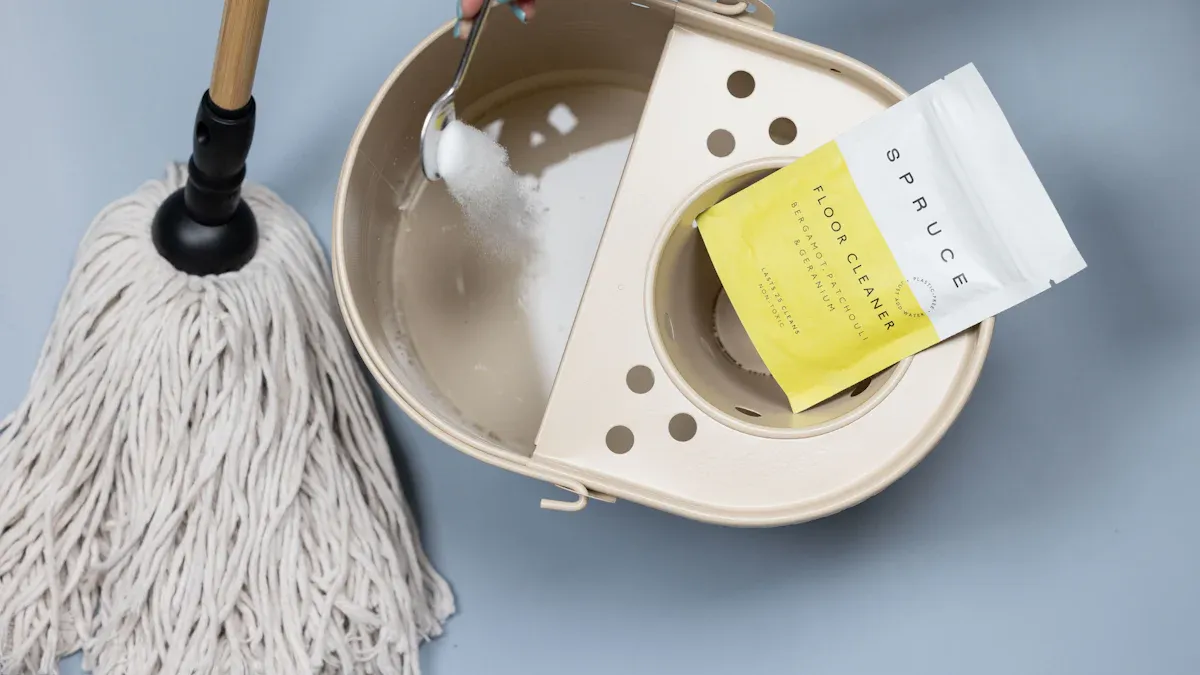
Using the right cleaning solution is crucial for your vacuum mop’s performance. Many manufacturers recommend specific products to ensure optimal cleaning efficiency. For instance, ROBOSHINE is a top choice. This solution is specially formulated for automated mopping systems. It prevents residue, streaks, and built-up gunk, which can affect your mop’s efficiency over time. Plus, it’s low-foaming and sensor-safe, making it suitable for various hard flooring types like tile, stone, and sealed wood.
Using incompatible cleaning solutions can lead to serious issues. Here are some risks to consider:
Damage to sensors, especially in models like Ecovacs Deebot, which can cause erratic behavior.
Corrosion of components from acidic DIY mixes, such as vinegar, which can degrade rubber seals and metal parts.
Bacterial growth in uncleaned water reservoirs, leading to unpleasant odors and contamination.
DIY Options
If you prefer a DIY approach, there are safe and effective options. For light descaling and removing mineral deposits, consider using citric acid. Mix citric acid powder with water to create a 5-7% solution. This natural option is safe for your vacuum mop and helps maintain its longevity.
Here are some other DIY cleaning solutions you might find useful:
Distilled Water: Helps prevent mineral deposits and is recommended for optimal performance.
Baking Soda: A gentle abrasive that can help clean without damaging surfaces.
Remember, always check your vacuum mop’s user manual for specific recommendations. Following these tips will enhance your cleaning routine and keep your vacuum mop in great shape!
Tip 2: Clean the Water Tank Regularly
Cleaning Frequency
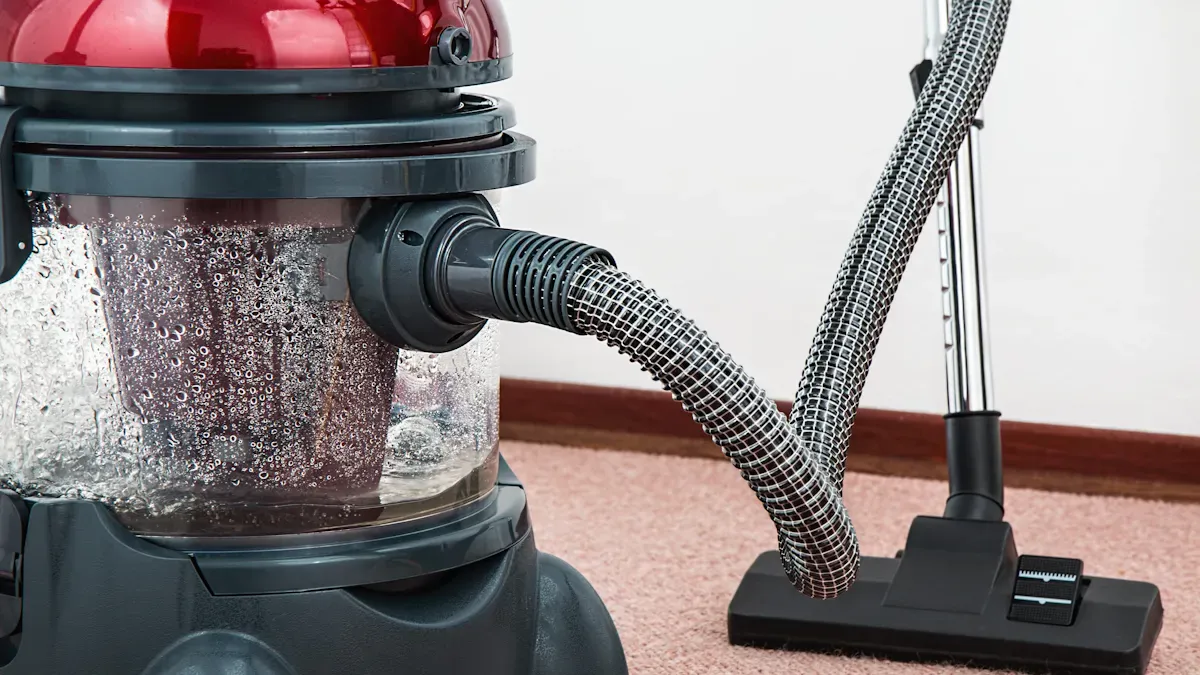
Cleaning your vacuum mop’s water tank regularly is essential for maintaining its performance. Aim to clean the tank after every few uses, especially if you notice any buildup or residue. If you use your mop daily, consider a weekly cleaning routine. For less frequent users, a monthly cleaning should suffice. Keeping a consistent schedule helps prevent clogs and ensures optimal water flow during your cleaning sessions.
Best Practices
When it comes to cleaning the water tank, follow these best practices to keep it in top shape:
Empty the Tank: Always empty the tank after each use. Leaving water in the tank can lead to mold and bacteria growth, which can affect your cleaning results.
Rinse Thoroughly: Use warm water to rinse the tank. This helps remove any leftover cleaning solution and debris. Avoid using harsh chemicals that could damage the tank.
Use a Soft Cloth: For stubborn stains, use a soft cloth or sponge. Avoid abrasive materials that can scratch the surface.
Check for Blockages: Regularly inspect the tank for any blockages in the water flow. Clear any debris to ensure smooth operation.
Dry Completely: After cleaning, let the tank dry completely before reassembling. This prevents moisture buildup, which can lead to odors.
By following these simple steps, you can enhance your vacuum mop’s cleaning efficiency and extend its lifespan. Regular maintenance of the water tank is a small effort that pays off with better performance and cleaner floors!
Tip 3: Maintain Optimal Water Levels
Understanding Water Levels
Maintaining the right water levels in your vacuum mop is key to achieving the best cleaning results. Each model has a specific water tank capacity, and knowing this helps you avoid common mistakes. For example, if you have an ECOVACS model, its clean water tank can hold up to 4.6 liters. However, during a mopping test, it only uses about 1.1 liters. This means you don’t need to fill it to the brim for effective cleaning.
Here’s a quick look at some popular models and their water usage:
Model | Clean Water Tank Capacity | Water Used in Mopping Test |
|---|---|---|
ECOVACS | 4.6 L | 1.1 L |
eufy S1 Pro | 3 L | 188 mL |
Narwal | N/A | 1.1 L |
Dreame X50 Ultra | N/A | 400 mL |
ECOVACS X8 Pro Omni | N/A | 400 mL |
Saros 10R | N/A | 32 mL |
3i S10 Ultra | N/A | 60 mL |
Effects of Improper Levels
Overfilling or underfilling your vacuum mop can lead to problems. If you overfill the tank, water may leak out during use. This can create a mess on your floors and damage the mop’s internal components. On the other hand, underfilling can reduce the water flow, making it hard for the mop to clean effectively. You might end up with dirty spots on your floors, which defeats the purpose of mopping in the first place!
To keep your vacuum mop performing at its best, always check the water level before starting. A little attention to detail goes a long way in ensuring your cleaning sessions are smooth and effective.
Tip 4: Customize Cleaning Modes
Adjusting Settings
Customizing your vacuum mop’s cleaning modes can significantly enhance your cleaning experience. Most modern vacuum mops come with various settings tailored for different surfaces and messes. For example, you can adjust the suction power and water levels based on your cleaning needs.
Here’s how you can adjust the settings for different scenarios:
Vacuum Power: Choose from options like Quiet, Standard, Turbo, or Max. Adjust these based on the type of flooring and the amount of dirt.
Water Level: Select from None, Low, Moderate, or High. This helps you manage water usage effectively, especially on delicate surfaces.
Benefits of Customization
Customizing your cleaning modes not only improves efficiency but also ensures that you tackle messes effectively. For instance, the Dreame H12 Wet and Dry Vacuum combines powerful suction with robust mopping. It even features intelligent mess detection that adjusts suction power based on debris, enhancing overall effectiveness.
The SpinWave + Vac offers three distinct cleaning modes: cyclonic dry vacuum, powered spinning wet mop, and dual-action vacuum and mop. This versatility allows you to choose the best option for your specific cleaning task.
By tailoring your vacuum mop settings, you can achieve better results and save time. You’ll notice cleaner floors and less effort on your part. So, take a moment to explore the settings on your vacuum mop. You might be surprised at how much of a difference it makes!
Cleaning Mode | Description |
|---|---|
Vacuum Power | Options include Quiet, Standard, Turbo, Max |
Adjust based on floor conditions | |
Water Level | Settings: None, Low, Moderate, High |
Choose based on different floor types |
With these adjustments, you can maximize your vacuum mop’s performance and enjoy a more efficient cleaning routine.
Tip 5: Use Maximum Settings for Tough Stains
When to Maximize Settings
When you face tough stains, it’s time to crank up the settings on your vacuum mop. Use maximum suction and water levels for those stubborn messes like dried slush or greasy spills. These settings help break down tough dirt and grime more effectively. If you notice a particularly challenging stain, don’t hesitate to switch to the highest settings. Your vacuum mop is designed to handle it!
For example, the Dreame X60 Max Ultra Complete boasts a powerful suction capability of 35,000 Pa. It also heats water to 104 degrees Fahrenheit during mopping. This combination makes it especially effective for tackling tough stains. The heated water helps dissolve stubborn messes, making your cleaning job much easier.
Benefits of Deep Cleaning
Using maximum settings not only helps with tough stains but also enhances your overall cleaning experience. Here are some benefits of deep cleaning with your vacuum mop:
Thorough Dirt Removal: Maximum settings ensure that even the most embedded dirt gets lifted away. You’ll notice cleaner floors and fewer spots left behind.
Time Efficiency: By using higher settings, you can clean more effectively in less time. You won’t have to go over the same area multiple times.
Improved Hygiene: Deep cleaning helps eliminate bacteria and allergens, creating a healthier environment for you and your family.
So, the next time you encounter a tough stain, remember to maximize your vacuum mop’s settings. You’ll be amazed at how much easier it is to achieve spotless floors!
Tip 6: Store the Vacuum Mop Properly
Ideal Conditions
Storing your vacuum mop properly can make a big difference in its lifespan and performance. Here are some ideal conditions to keep in mind:
Cool, Dry Place: Always store your vacuum mop in a cool, dry area. Avoid damp basements or hot attics. Humidity can lead to mold growth, while heat can damage electronic components.
Upright Position: If possible, store your vacuum mop upright. This helps prevent any leaks from the water tank and keeps the mop pads in good shape.
Away from Direct Sunlight: Keep your mop out of direct sunlight. Prolonged exposure can fade colors and weaken plastic parts.
Preventing Damage
Taking a few simple steps can help prevent damage to your vacuum mop during storage:
Tip: Always empty the water tank before storing. Leaving water in the tank can lead to mold and unpleasant odors.
Remove Mop Pads: If your vacuum mop has removable pads, take them off before storage. This allows them to dry completely and prevents mildew.
Check for Debris: Before putting your mop away, check for any debris stuck in the brushes or tank. Clearing this out ensures your mop is ready for its next use.
Use a Protective Cover: If you have one, use a protective cover. This can shield your mop from dust and accidental bumps.
By following these storage tips, you can keep your vacuum mop in great condition. Proper storage not only extends its life but also ensures it’s always ready to tackle your cleaning tasks. So, take a moment to store your vacuum mop correctly, and you’ll enjoy better performance every time you use it!
Tip 7: Follow Manufacturer Guidelines
User Manual Insights
Following the manufacturer’s guidelines is crucial for keeping your vacuum mop in top shape. Your user manual contains valuable information tailored to your specific model. It guides you on how to maintain the water tank and other components effectively. By sticking to these instructions, you can avoid common issues and ensure your mop performs at its best.
Key Recommendations
Here are some key recommendations you’ll often find in user manuals:
Add a Descaling Tablet: Many manufacturers suggest adding a descaling tablet to the water tank. This helps prevent mineral buildup and keeps your mop running smoothly.
Regular Cleaning: Make it a habit to clean the water tank regularly. This simple step can prevent clogs and ensure optimal water flow during cleaning sessions.
Safe Solutions: Use descaling solutions that are safe for your floors. This way, you can maintain your mop without worrying about damaging your surfaces.
By following these recommendations, you can enhance your vacuum mop’s performance and extend its lifespan. Remember, your user manual is your best friend when it comes to maintenance. So, take a moment to read through it and implement the tips provided. You’ll notice a significant difference in how well your vacuum mop cleans!
Incorporating these practices into your routine will not only improve your cleaning experience but also save you time and effort in the long run. So, don’t overlook the importance of those guidelines—your vacuum mop will thank you!
You’ve learned some great tips to boost your vacuum mop’s performance. Using the right cleaning solution, maintaining water levels, and customizing settings can all enhance your cleaning performance. Regularly cleaning the water tank and storing your mop properly also play a big role in keeping it in top shape.
Now, it’s time to put these tips into action! Try them out and see how they improve your cleaning routine.