

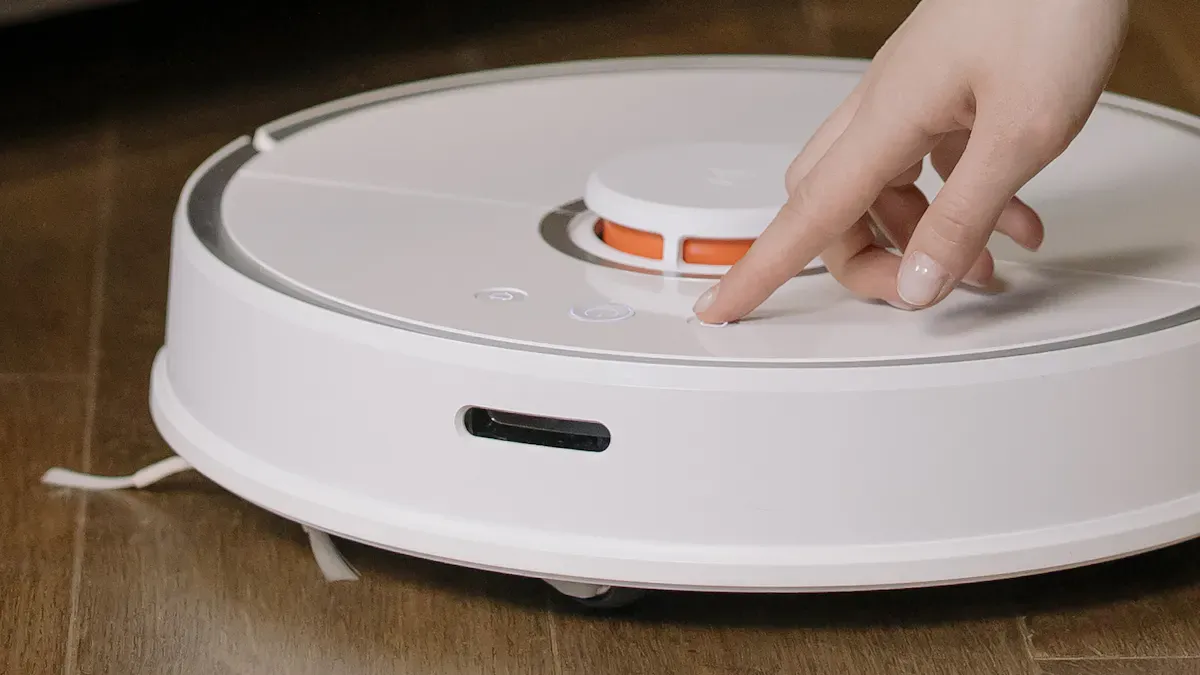
Have you noticed how vacuum mops are becoming more popular lately? Many people still rely on traditional mops, though. Understanding the differences between a vacuum mop vs traditional mop is essential. This knowledge helps you decide which tool best fits your cleaning needs and preferences.
Key Takeaways
Vacuum mops combine vacuuming and mopping, saving you time and effort while providing a deeper clean.
Traditional mops are budget-friendly and easy to use, making them ideal for quick clean-ups and various surfaces.
Consider your cleaning needs: choose vacuum mops for convenience and speed, or traditional mops for simplicity and versatility.
What is a Vacuum Mop?
A vacuum mop is a versatile cleaning device that combines the functions of vacuuming and mopping into one efficient tool. This innovative gadget makes cleaning your floors easier and faster. Instead of using separate devices for vacuuming and mopping, you can tackle both tasks simultaneously.
Features of Vacuum Mops
Modern vacuum mops come packed with advanced features that enhance their cleaning capabilities. Here’s a quick look at some of the standout features you might find:
Feature | Description |
|---|---|
AI.See™ | Visual identification of objects to avoid collisions. |
Hot-air drying | 45°C hot-air drying with a 3L self-refill water tank. |
DualClean™ | Mopping pads that run at 200 RPM and SmartScrub™ for deeper stain cleaning. |
ClearView™ | LiDAR navigation for fast row-by-row coverage. |
Self-emptying | Capability of self-emptying and automatic pad washing/drying. |
WaterRecycle™ | Patented technology that eliminates the need for manual refilling. |
Antibacterial | Silver-ion antibacterial sterilization for long-lasting protection. |
Smart DirtScan™ | System that identifies and prioritizes messy areas. |
UltraReach™ | Mop system designed for corner reach and carpet auto-lift. |
These features not only improve cleaning efficiency but also make the process more convenient for you.
Advantages of Vacuum Mops
Using a vacuum mop offers several benefits that can transform your cleaning routine. Here are some of the most commonly cited advantages:
Time-saving: Vacuum mops combine two cleaning steps into one, allowing you to clean your floors quicker.
Effective stain removal: They effectively tackle tough stains, such as hot sauce and baby food, making them ideal for busy households.
Thorough cleaning: With separate tanks for clean and dirty water, vacuum-mop combos ensure a more thorough clean.
Convenience: They are comparable in convenience to some of the best cordless and handheld vacuums, making them easy to use.
Additionally, some models, like the Dreame and Roborock, manage to vacuum carpets without wetting them by detaching their mopping pads when transitioning from carpet to hard floors. This feature prevents any unwanted moisture on your carpets, ensuring a seamless cleaning experience.
What are Traditional Mops?
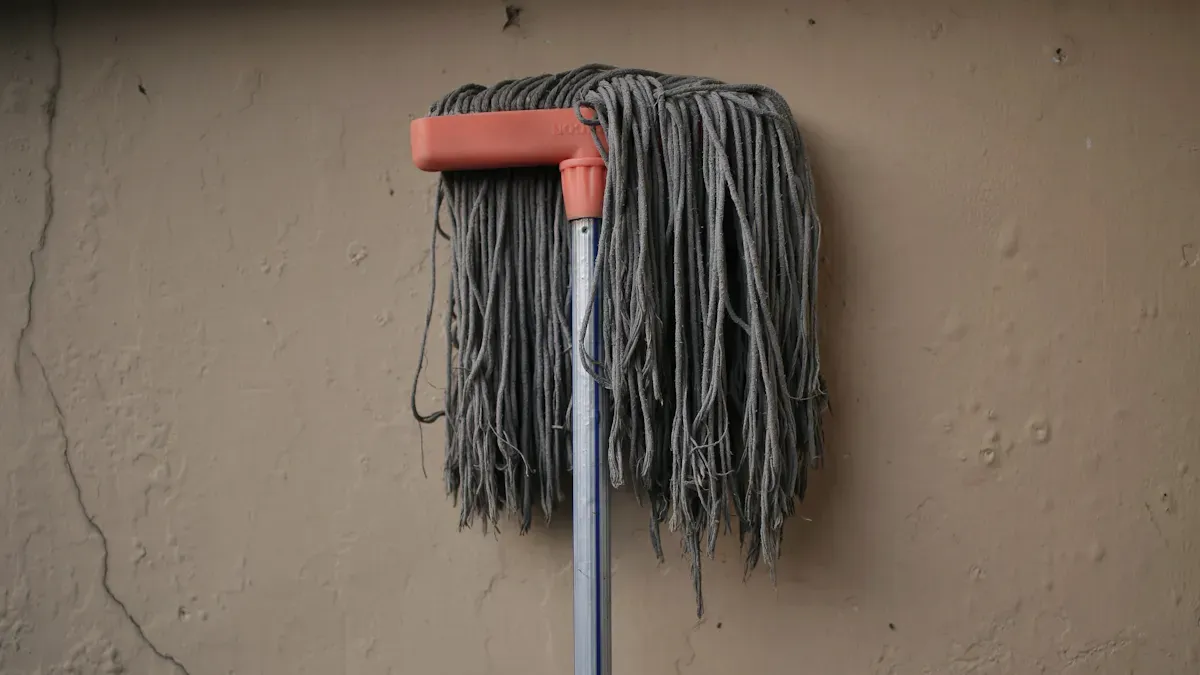
Traditional mops have been a staple in households for years. They are simple cleaning tools designed to tackle dirt and spills on various floor surfaces. You can find them in many forms, but the most common type is the string mop. This mop features long strands of absorbent material that effectively clean large areas. The design allows for high absorbency, making it perfect for deep cleaning and managing spills. Plus, the individual strands can reach into crevices and textured surfaces, helping to dislodge dirt and grime.
Features of Traditional Mops
Traditional mops come with a few key features that make them effective for cleaning:
Absorbent Materials: Most traditional mops use cotton or microfiber. Cotton mops absorb water well but can be hard to clean and dry slowly, which may lead to bacterial growth. On the other hand, microfiber mops excel at trapping dirt and provide better cleaning efficiency.
Simplicity: These mops are straightforward to use. You just dip them in water or cleaning solution, wring them out, and start mopping. There’s no need for complicated setups or power sources.
Cost-Effective: Traditional mops are generally more affordable than their modern counterparts. They require little training to use, making them ideal for quick clean-ups and small areas.
Advantages of Traditional Mops
Using a traditional mop has several advantages that keep them relevant in today’s cleaning landscape:
Affordability: Traditional mops are budget-friendly. You can easily find one that fits your needs without breaking the bank.
Ease of Use: You don’t need to be a cleaning expert to use a traditional mop. Just wet it, wring it out, and start cleaning. This simplicity makes them great for quick touch-ups.
Versatility: Traditional mops can clean various surfaces, including tile, hardwood, and laminate. They don’t require a power source, so you can use them anywhere.
Access to Tight Spaces: Their design allows you to reach corners and tight spots that more complex cleaning machines might miss.
No Need for Special Care: Unlike vacuum mops, traditional mops don’t require special maintenance. You can wash them by hand or toss them in the laundry, depending on the material.
While traditional mops may not have the advanced features of vacuum mops, they still hold their ground in many households. They offer a reliable and straightforward way to keep your floors clean.
Vacuum Mop vs Traditional Mop: 10 Key Differences
Cleaning Efficiency
When it comes to cleaning efficiency, vacuum mops shine. They combine vacuuming and mopping, allowing you to tackle dirt and stains in one go. Traditional mops, however, rely on physical scrubbing, which can be less effective. If you have allergy concerns, vacuum mops can help reduce bacteria and allergens, while traditional mops might retain dirt and germs if not cleaned properly.
Ease of Use
You’ll find vacuum mops easier to use overall. They save time by combining tasks, while traditional mops require multiple steps. Here’s a quick comparison:
Feature | Vacuum Mops | Traditional Mops |
|---|---|---|
Time Efficiency | Saves time by combining tasks | More time-consuming |
Cleaning Effectiveness | Provides deeper clean with suction | Relies on physical scrubbing |
Maintenance | Generally easier to maintain | Requires more effort to clean |
Maintenance Needs
Vacuum mops need more upkeep, like cleaning filters and replacing parts. This can be time-consuming and costly. On the other hand, traditional mops require less maintenance, making them a simpler choice for those who prefer minimal upkeep.
Cost Comparison
Initially, vacuum mops cost more than traditional mops. Plus, their maintenance can add to long-term ownership costs. Traditional mops are budget-friendly and easy to replace.
Versatility of Surfaces
Vacuum mops work best on hard floors like tile and hardwood. Traditional mops can clean a wider variety of surfaces, including carpets and walls. This versatility makes traditional mops a go-to for many households.
Environmental Impact
Consider the materials used in both types. Traditional mops often use cotton, which can be pesticide-heavy. Vacuum mops may use microfiber, which contributes to microplastic pollution. Both have environmental impacts worth considering.
Storage Requirements
Vacuum mops tend to be bulkier, requiring more storage space. Traditional mops are lightweight and can fit in smaller areas. If storage is a concern, traditional mops might be the better option.
Noise Levels
Noise can affect your cleaning experience. Vacuum mops can be quieter, making them suitable for night cleaning. Traditional mops are silent, but they require physical effort, which can be tiring.
Surface Compatibility
Here’s how different flooring types stack up:
Flooring Type | Compatibility with Vacuum Mops | Compatibility with Traditional Mops |
|---|---|---|
Unsealed Hardwood | Never Mop | Never Mop |
Waxed Floors | Never Mop | Never Mop |
Most Carpets and Rugs | Never Mop | Never Mop |
Sealed Hardwood | Mop with Caution | Mop with Caution |
Laminate | Mop with Caution | Mop with Caution |
LVP | Mop Freely | Mop Freely |
Tile | Mop Freely | Mop Freely |
Linoleum | Mop Freely | Mop Freely |
Sealed Cork | Mop Freely | Mop Freely |
User Experience
User feedback shows that vacuum mops often reduce physical strain. They eliminate awkward postures, making cleaning easier. Traditional mops require more effort, which can lead to fatigue.
Choosing between a vacuum mop and a traditional mop depends on your cleaning needs. Consider factors like efficiency, ease of use, and maintenance. If you value convenience and speed, a vacuum mop might be your best bet. If you prefer simplicity and versatility, stick with a traditional mop.
FAQ
What is the main benefit of using a vacuum mop?
A vacuum mop saves you time by combining vacuuming and mopping into one step, making it easier to clean your floors.
Can I use a vacuum mop on carpets?
Most vacuum mops are not suitable for carpets. They work best on hard surfaces like tile and hardwood for effective cleaning.
How often should I clean my vacuum mop?
You should clean your vacuum mop regularly, ideally after each use, to maintain its performance and ensure a thorough clean.
