

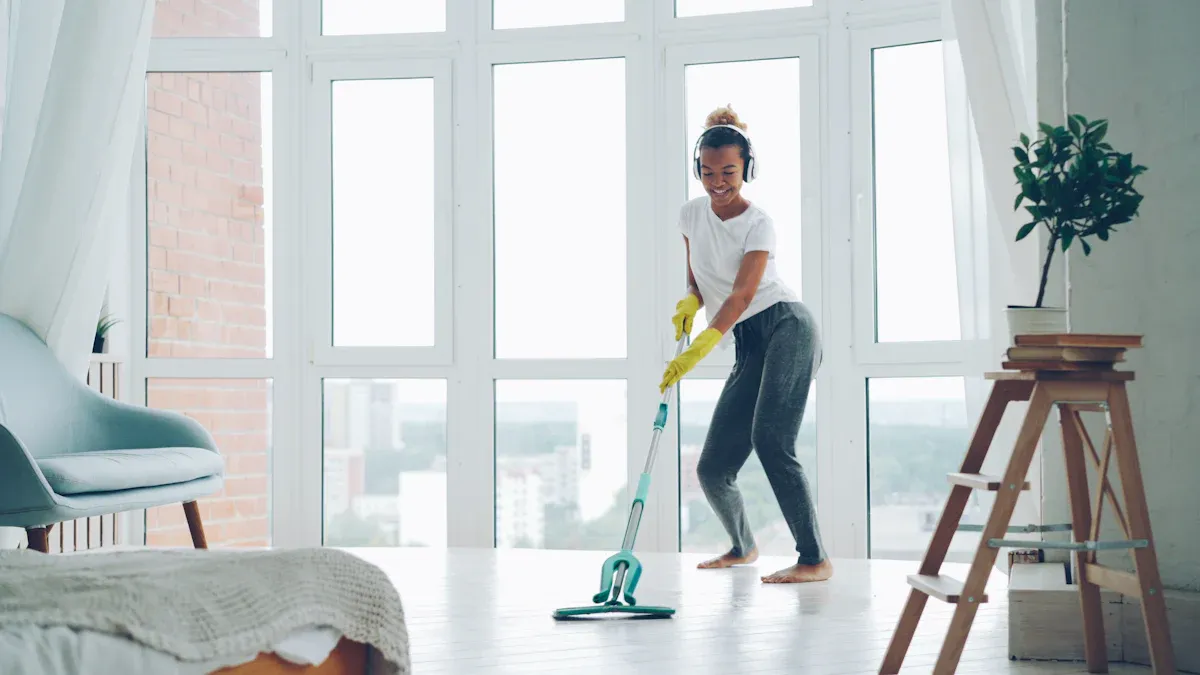
Reducing floor moisture is crucial for maintaining a clean and safe home. Wet floors can lead to slip and fall accidents, contributing to a significant number of household injuries. You can combat this issue effectively with vacuum mop drying features, which ensure your floors dry quickly and thoroughly. Have you ever faced the frustration of slippery floors after cleaning?
Key Takeaways
Vacuum mops dry floors faster than traditional mops, reducing slip hazards and enhancing safety.
Strong suction power in vacuum mops removes excess water and dirt, ensuring cleaner and safer floors.
Adjustable moisture settings allow you to customize cleaning for different floor types, preventing damage.
Regular maintenance of your vacuum mop, including filter changes, boosts its drying efficiency and lifespan.
Utilizing vacuum mops combines the benefits of wet and dry cleaning, saving time and effort in your cleaning routine.
Vacuum Mop Drying
Drying Technology Mechanics
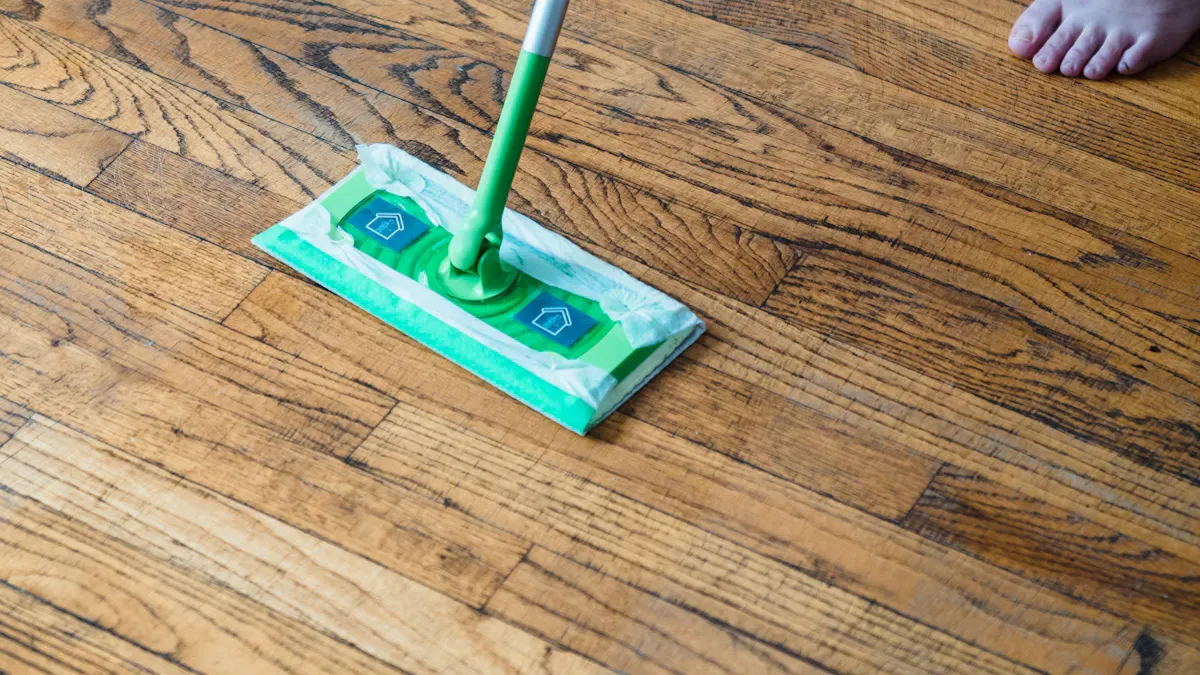
Vacuum mop drying technology works differently than traditional mopping. When you use a conventional mop, you often rely on manual effort. This method can leave streaks and moisture behind. In contrast, vacuum mops utilize controlled moisture and consistent contact to lift residues effectively. They tackle messes like footprints and sticky spills that traditional dry mopping cannot address.
Modern vacuum mops, such as the Narwal robot vacuum, incorporate real-time self-cleaning features. This innovation prevents dirt from spreading around your home, enhancing overall cleaning efficiency. With these advanced systems, you can enjoy cleaner floors without the hassle of redoing your work.
Importance of Suction Power
Suction power plays a crucial role in the effectiveness of vacuum mop drying. A strong suction system ensures that excess water and dirt get removed from your floors. This feature helps your floors dry faster and reduces the risk of slips and falls.
Many vacuum mops now come equipped with powerful suction capabilities. For example, the Shark® PowerDetect™ ThermaCharged™ robot features advanced thermal heated mop wash and dry technology. It automatically cleans and dries the mop before each cleaning cycle, preventing dirt redeposit. This means you can trust that your floors will not only look clean but also feel safe to walk on shortly after cleaning.
Wet vs. Dry Mopping

When it comes to cleaning your floors, you often face a choice between wet mopping and dry mopping. Each method has its own strengths and weaknesses. Understanding these can help you decide which approach works best for your cleaning needs.
Pros and Cons of Each Method
Here’s a quick comparison of wet mopping and dry mopping:
Type of Mop | Advantages | Disadvantages |
|---|---|---|
Wet Mop | Effective for deep cleaning and removing stubborn dirt and bacteria. | Heavier and requires more effort to use. |
Dry Mop | Lighter and easier to maneuver, suitable for daily maintenance. | Not effective for cleaning spills or sticky residues. |
Wet mopping excels at deep cleaning. It removes dirt and bacteria that dry mopping might leave behind. However, it can be cumbersome and requires more physical effort. On the other hand, dry mopping is great for quick clean-ups. It’s lightweight and easy to use, making it ideal for daily maintenance. Yet, it falls short when dealing with spills or sticky messes.
Vacuum Mops in Dry Mopping
Vacuum mops combine the benefits of both wet and dry mopping. They offer a unique solution for maintaining clean floors without the hassle of traditional methods. Here’s how vacuum mops stack up against traditional dry mops:
Feature | Vacuum Mops | Traditional Mops |
|---|---|---|
Time Efficiency | Saves time by combining vacuuming and mopping | More time-consuming due to multiple steps |
Cleaning Depth | Provides deeper cleaning with suction | Less effective in deep cleaning due to physical scrubbing |
Maintenance | Requires regular maintenance | Minimal maintenance required |
Cost | Generally more expensive | Typically less expensive |
Surface Versatility | Best for hard floors | Can be used on various surfaces |
With vacuum mops, you enjoy the convenience of dry mopping while still achieving a thorough clean. They save you time by combining vacuuming and mopping into one step. This efficiency means you can tackle your cleaning tasks faster. Plus, vacuum mops provide deeper cleaning through suction, ensuring that dirt and debris don’t linger on your floors.
Key Features for Effective Drying
Fast Drying Mechanisms
Fast drying mechanisms are essential for effective vacuum mops. These features help you maintain a safe and clean environment by reducing floor moisture quickly. Many modern vacuum mops use advanced technology to enhance drying efficiency. For instance, some models employ heated drying systems that warm the mop pads. This heat helps evaporate moisture faster, leaving your floors dry and ready for use.
Additionally, some vacuum mops utilize high-speed fans to circulate air around the cleaned area. This airflow accelerates the drying process, ensuring that you do not have to wait long before walking on your freshly cleaned floors. With these fast drying mechanisms, you can enjoy cleaner, safer spaces without the worry of slipping on wet surfaces.
Adjustable Moisture Settings
Adjustable moisture settings allow you to customize the amount of water used during cleaning. This feature is particularly useful for different floor types. For example, tile floors may require more moisture to tackle stubborn stains, while laminate floors need less to avoid damage. By adjusting the moisture level, you can optimize mop cleanliness and ensure effective cleaning without leaving excess water behind.
Some vacuum mops even come with smart sensors that detect the type of flooring. These sensors automatically adjust the moisture settings based on the surface being cleaned. This adaptability enhances efficiency and helps you achieve the best results every time.
Tip: Always check your vacuum mop’s manual for specific recommendations on moisture settings for various floor types. This practice can help you avoid issues like streaking or damage to sensitive surfaces.
Tips for Using a Robot Vacuum and Mop
Best Practices for Reducing Floor Moisture
To maximize the effectiveness of your robot vacuum and mop, follow these best practices for reducing floor moisture:
Monitor the mopping functionality: Ensure that your robot vacuum and mop maintains appropriate moisture levels during cleaning. This helps prevent excess water on your floors.
Avoid excessive moisture: Be cautious when using your robot on hardwood and laminate flooring. Excessive moisture can cause warping and swelling, leading to costly repairs.
Utilize the mopping mode wisely: When in mopping mode, the robot automatically avoids carpeted areas. This feature ensures that only hard floors receive moisture, preventing unwanted wetness on carpets.
Excessive moisture can cause warping of hardwood floors.
It may lead to swelling and delamination of laminate flooring.
Such damage could potentially void the warranty.
Maintenance for Optimal Performance
Regular maintenance of your robot vacuum and mop is crucial for preserving its drying efficiency. Here are some essential maintenance tips:
Change filters regularly: Keeping filters clean helps maintain optimal performance, which directly affects drying efficiency over time.
Routine cleaning: Regularly clean the vacuum to prevent breakdowns and extend its lifespan. This ensures that it performs effectively and dries surfaces efficiently.
Use dry mopping for daily cleaning: Handle dust, crumbs, and hair with dry mopping before they build up. Use wet mopping only when floors feel sticky or look dull.
By following these tips, you can enhance the performance of your robot vacuum and mop. This will help you achieve cleaner floors while minimizing moisture-related issues.
In summary, vacuum mop drying features offer significant benefits for your home. These features enhance cleaning efficiency and promote safety. Here are some key advantages:
Speed: You can clean quickly without traditional tools, making the process efficient.
Safety: Instant drying reduces the risk of slips and falls, ensuring a safer environment.
High Hygiene Level: The dual tank system uses clean water for every task, minimizing germs and bacteria spread.
Mold Prevention: Dock washes and auto-dries mop pads to avoid mildew growth.
When choosing a vacuum mop, consider these features. They can greatly improve your cleaning routine and keep your home safe and hygienic.
FAQ
What is a wet-dry vacuum?
A wet-dry vacuum combines both wet and dry cleaning capabilities. It effectively removes moisture and residue from floors, making it ideal for various cleaning tasks. You can use it for spills, dirt, and debris on hard surfaces.
How do I reduce moisture when mopping?
To reduce moisture while mopping, adjust your vacuum mop’s moisture settings. Use less water on sensitive surfaces like hardwood. Ensure your mop pads are clean to avoid leaving residue behind.
Can I use a vacuum mop on all floor types?
Most vacuum mops work well on hard floors, including tile and laminate. However, check your mop’s specifications to ensure compatibility with your specific floor type. Avoid using it on carpets unless designed for that purpose.
How often should I clean my vacuum mop?
You should clean your vacuum mop after every use. Regular maintenance prevents residue buildup and ensures optimal performance. This practice also helps maintain effective drying capabilities.
What features should I look for in a vacuum mop?
Look for features like adjustable moisture settings, strong suction power, and fast drying mechanisms. These features enhance cleaning efficiency and help reduce floor moisture effectively.
