

Choosing the right solar generator in 2026 depends on more than just price or brand name. Some models favor fast charging and light travel, while others are built for longer outages and heavier loads. Options like the Apowking 300W, BLUETTI Elite 30 V2, and Jackery HomePower 3000 show how different the category has become. The best fit is not always obvious, and the details can change the answer.
| Apowking 300W Portable Solar Generator with Panels | Best Budget Solar Kit | Battery Type: Lithium-ion | Solar Charging: 40W panels included | Portable Design: 5 lbs | CHECK LATEST PRICE | Read Our Analysis | |
| BLUETTI Elite 30 V2 Portable Power Station |  | Fastest Charging | Battery Type: LiFePO4 | Solar Charging: Solar compatible | Portable Design: 9.4 lb | CHECK LATEST PRICE | Read Our Analysis |
| YELOMIN Solar Charger Power Bank with Hand Crank |  | Best For Emergencies | Battery Type: Lithium battery | Solar Charging: Solar recharge | Portable Design: Backpack-ready | CHECK LATEST PRICE | Read Our Analysis |
| Anker SOLIX C300 Solar Generator with 60W Panel |  | Best Compact Pick | Battery Type: LiFePO4 | Solar Charging: 60W panel included | Portable Design: 15.47 lb | CHECK LATEST PRICE | Read Our Analysis |
| Portable 330W Solar Generator with Wireless Charging | 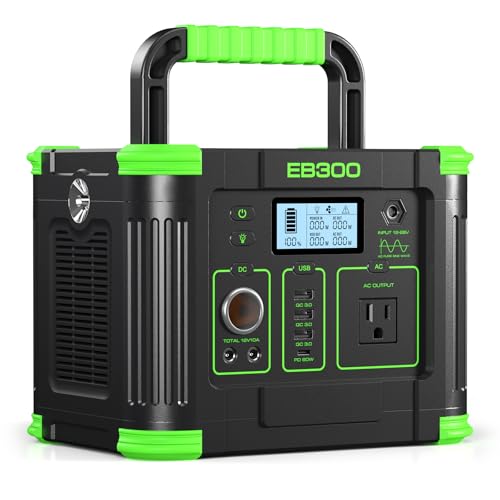 | Best Lightweight Option | Battery Type: Battery-powered | Solar Charging: Solar recharge | Portable Design: 7.94 lbs | CHECK LATEST PRICE | Read Our Analysis |
| Jackery HomePower 3000 Portable Power Station with Solar Panels |  | Best Whole-Home Backup | Battery Type: LiFePO4 | Solar Charging: Solar panels included | Portable Design: 59.52 lb | CHECK LATEST PRICE | Read Our Analysis |
| Jackery Explorer 2000 v2 Portable Power Station |  | Best High-Capacity Pick | Battery Type: LiFePO4 | Solar Charging: 2x200W panels included | Portable Design: 39.5 lbs | CHECK LATEST PRICE | Read Our Analysis |
More Details on Our Top Picks
Apowking 300W Portable Solar Generator with Panels
The Apowking 300W Portable Solar Generator with Panels is a smart pick if you want a compact backup power setup that can travel easily with you. You get a 300W power station with a 220Wh battery, 40W solar panels, and 24% conversion efficiency, so you can recharge in low light. It weighs just 5 pounds and fits home, camping, or outdoor use. You can power up to seven devices through AC, USB, and DC ports, while built-in protection, silent cooling vents, and a pure sine wave inverter help keep sensitive gear safe and quiet.
- Battery Type:Lithium-ion
- Solar Charging:40W panels included
- Portable Design:5 lbs
- AC Output:2 AC outlets
- USB Ports:4 USB ports
- Emergency Backup:Built-in BMS
- Additional Feature:24% conversion efficiency
- Additional Feature:7 devices simultaneously
- Additional Feature:Built-in BMS protection
BLUETTI Elite 30 V2 Portable Power Station
If you want a compact solar generator that’s easy to carry yet strong enough for real backup power, the BLUETTI Elite 30 V2 stands out. You get a 288Wh LiFePO4 battery in a 9.4-pound body, so you can take it camping, on road trips, or keep it ready for storms. It delivers 600W continuously and 1500W surge power, enough for lights, laptops, CPAP machines, and small kitchen gear. With eight charging modes, 0–80% in 45 minutes, and a 10ms UPS switch, it keeps your essentials running fast and safely.
- Battery Type:LiFePO4
- Solar Charging:Solar compatible
- Portable Design:9.4 lb
- AC Output:600W output
- USB Ports:USB-C fast charge
- Emergency Backup:10ms UPS
- Additional Feature:10ms UPS switching
- Additional Feature:0-80% in 45 mins
- Additional Feature:Smart cooling system
YELOMIN Solar Charger Power Bank with Hand Crank
With its 59,800mAh capacity, six output options, and built-in iOS and USB-C cables, the YELOMIN Solar Charger Power Bank with Hand Crank fits you best when you need to charge multiple devices on the go without juggling extra cords. You can power phones, tablets, and Qi devices through its USB ports or 15W wireless pad. Its aviation-grade chip helps prevent overcharging, overheating, and short circuits, so your battery stays healthier. The rugged waterproof shell handles camping, travel, and emergencies. If power’s low, use the hand crank, flashlight, or five recharge methods to stay ready.
- Battery Type:Lithium battery
- Solar Charging:Solar recharge
- Portable Design:Backpack-ready
- AC Output:No AC output
- USB Ports:5 USB ports
- Emergency Backup:Hand crank
- Additional Feature:Hand crank generator
- Additional Feature:15W wireless charging
- Additional Feature:Dual LED flashlight
Anker SOLIX C300 Solar Generator with 60W Panel
Anker’s SOLIX C300 solar generator with the included 60W panel is a smart pick for you if you want a compact, travel-friendly power station that can recharge in sunlight or from a wall outlet fast. You get 288Wh of LiFePO4 battery capacity, 300W output, and a 600W surge for phones, laptops, and small appliances. It recharges to 80% in 50 minutes from a wall outlet, and it supports solar, car, and USB-C input. With 11 ports, quiet 25dB operation, and a 5-year warranty, it’s built for dependable off-grid use.
- Battery Type:LiFePO4
- Solar Charging:60W panel included
- Portable Design:15.47 lb
- AC Output:3 AC outlets
- USB Ports:3 USB ports
- Emergency Backup:UPS support
- Additional Feature:3,000 cycles
- Additional Feature:25dB quiet operation
- Additional Feature:140W USB-C charging
Portable 330W Solar Generator with Wireless Charging
The GRECELL EB300 is a smart pick if you want a compact solar generator that can also charge your phone wirelessly. You get 288.6Wh of capacity, a 330W pure sine wave AC output, and 600W surge power, so you can run laptops, lights, fans, CPAP machines, and mini-fridges under 330W. It gives you nine outlets, including USB-C PD 60W, USB-A, AC, and a 5W wireless pad. You can recharge it by wall outlet, car socket, or solar panel with MPPT. At just 7.94 lbs, it’s easy to carry anywhere.
- Battery Type:Battery-powered
- Solar Charging:Solar recharge
- Portable Design:7.94 lbs
- AC Output:1 AC outlet
- USB Ports:3 USB ports
- Emergency Backup:LED SOS light
- Additional Feature:5W wireless charging
- Additional Feature:MPPT controller
- Additional Feature:Dual quiet cooling fans
Jackery HomePower 3000 Portable Power Station with Solar Panels
Jackery’s HomePower 3000 Portable Power Station is a smart fit if you need serious home backup that’s still portable, because it delivers 3,600W of output, a 3,072Wh LiFePO4 battery, and enough runtime to keep essentials like your fridge, WiFi router, lights, and fan running for hours. You can also use it as a UL-certified UPS, so it switches over in 20ms or less for cameras, medical fridges, and calls. Charge it with AC, solar, car, or gas. With 4 outlets, USB-C, USB-A, and RV support, it’s ready for emergencies.
- Battery Type:LiFePO4
- Solar Charging:Solar panels included
- Portable Design:59.52 lb
- AC Output:3600W output
- USB Ports:USB-C/USB-A
- Emergency Backup:UL-certified UPS
- Additional Feature:3600W output
- Additional Feature:20ms UPS switchover
- Additional Feature:4,000 cycles
Jackery Explorer 2000 v2 Portable Power Station
With its 2042Wh LiFePO4 battery, 2200W output, and 3 AC ports, the Jackery Explorer 2000 v2 fits you best if you want a portable solar generator that can handle home backup, camping, RVing, or emergency power without the noise, fumes, or upkeep of a gas unit. You’ll get USB-C PD 100W fast charging, 20ms UPS switching, and UL1778-certified backup support. It charges to 80% in 66 minutes on AC, or fully in 6 hours with 400W solar. At 39.5 pounds, it’s 41% lighter and easier to move.
- Battery Type:LiFePO4
- Solar Charging:2x200W panels included
- Portable Design:39.5 lbs
- AC Output:2200W output
- USB Ports:USB-C PD 100W
- Emergency Backup:20ms UPS
- Additional Feature:2200W output
- Additional Feature:Silent Charging mode
- Additional Feature:UL1778 certified UPS
Factors to Consider When Choosing to Charge a Solar Generator
When choosing how to charge a solar generator, battery capacity and output wattage determine how much power is stored and delivered. Charging speed, solar panel compatibility, and port selection also affect how efficiently the system can be replenished. These factors together shape overall performance and practicality.
Battery Capacity
Battery capacity is one of the most important factors to evaluate before charging a solar generator, since it determines how long the unit can power devices between charges. It is usually listed in watt-hours or milliamp-hours, and a higher figure generally indicates longer runtime. Smaller portable units, often around 220Wh to 300Wh, are suited to phones, tablets, lights, and brief backup needs. Mid-size packs in the 288Wh to 330Wh range can handle several small devices or a laptop, though they remain limited for demanding loads. Larger systems, typically 2,000Wh to 3,000Wh, can support refrigerators, routers, fans, and other essential backup uses for extended periods. Matching capacity to total device needs and desired runtime prevents underpowered or oversized selection.
Output Wattage
Output wattage is the next key factor to check, since the solar generator must supply enough continuous power to run all connected devices, whether that means a 300W unit for light loads or a 3600W model for heavier use. The continuous rating should meet the total running watts of the appliances, whether the load is 600W, 2200W, or another figure. Surge wattage matters too, because many devices draw extra power at startup, with common surges reaching 1500W, 2200W, or even 7200W. Higher-draw items such as kettles, toasters, and mini-fridges require ample headroom to avoid overload protection. For sensitive electronics, a stable pure sine wave inverter supports safe, consistent delivery. Larger wattage increases capability, but it also adds size and weight, so matching output to real needs remains essential.
Charging Speed
Charging speed is another important factor, since refill times can vary widely depending on the input method. Wall charging, solar charging, car charging, and generator-assisted charging each deliver different results, and higher wattage input usually shortens wait time. A fast AC charger or high-output USB-C input can bring a battery to 0–80% in under an hour in some models, while full charging may take about 70 minutes to several hours. Solar charging tends to vary more because panel wattage, sunlight intensity, weather, and placement all affect performance. When comparing options, both maximum charging wattage and battery size matter, since a larger battery may take longer to fill even with strong input power.
Solar Panel Compatibility
Choosing the right solar panel starts with compatibility, since the generator must accept the panel’s connector type and voltage range. Some systems use MC4 or XT60-style cables, while others depend on proprietary or USB-C-based solar inputs. The panel’s wattage should also stay within the station’s solar input limit; a 40W or 60W panel will recharge far more slowly than a 200W or 400W panel, even when higher input is supported. Compatibility can still be restricted to certain panel families, so similar-looking connectors do not guarantee success. Panel design matters too: monocrystalline models with about 24% efficiency and strong low-light performance can work better in weak sunlight. Included cables and adapters should match the generator’s solar input requirements exactly.
Port Selection
Port selection matters because a solar generator should match both the devices being powered and the way the unit itself will be recharged. AC outlets suit appliances, while USB-A and USB-C serve phones, tablets, and laptops. DC or car ports are useful for 12V gear. The number of outputs also matters; some units provide only six, while others offer nine, eleven, or more for simultaneous use. Power ratings should align with the load, since USB-C may deliver 15W to 140W and AC output may range from 300W to 3600W. For sensitive electronics, pure sine wave AC outlets are preferable. Fast recharging of the power station is easier with high-power USB-C input or multiple charging ports, including 140W two-way USB-C or multi-source charging.
Frequently Asked Questions
Can I Charge a Solar Generator Indoors?
Yes, it can be charged indoors using a standard wall outlet or solar panels placed near a window, but it should not be used in cramped spaces with poor airflow or where it may be exposed to moisture.
How Long Do Solar Generator Batteries Usually Last?
Solar generator batteries often last 5 to 15 years, depending on battery chemistry, how often they are used, storage temperature, and charging habits. Lithium iron phosphate batteries usually last much longer than lead acid batteries, especially when they are charged and stored properly.
Is It Safe to Charge While Using Devices?
It is usually safe to charge and use devices at the same time if the solar generator supports pass through charging. He should check the wattage limit, watch for excess heat, and follow the manufacturer guidance to prevent strain or shutdowns.
Do Solar Panels Work on Cloudy Days?
Yes, solar panels still produce power on cloudy days, but their output is lower. They use diffuse sunlight, so charging can still happen, just more slowly. A solar generator may need extra time or additional panels to reach full charge.
Can I Charge a Solar Generator With a Car Outlet?
Yes, many solar generators can charge from a car outlet if the unit supports the vehicle socket’s voltage and power limits. Car charging is slower than wall charging, and you may need to keep the engine running.
