

The best pressure cleaners for large debris need strong PSI, solid water flow, and the right attachments. They clear packed leaves, grit, and sludge faster than basic models.
Surface cleaners, jetters, and wide spray tips make the job easier. Here are 8 top picks for 2026 that handle heavy cleanup with less clogging and less hassle.
| JANZ 24 FT Pressure Washer Telescoping Wand |  | Best Reach | Cleaning Type: Telescoping pressure washer wand | Max Pressure: 4,000 PSI | Reach/Length: 24 ft | VIEW LATEST PRICE | Read Our Analysis |
| Janz 24 FT Telescoping Pressure Washer Wand |  | Best Overall | Cleaning Type: Telescoping pressure washer wand | Max Pressure: 4,000 PSI | Reach/Length: 24 ft | VIEW LATEST PRICE | Read Our Analysis |
| MEKOH Pressure Washer Surface Cleaner 20″ 4500PSI Attachment | 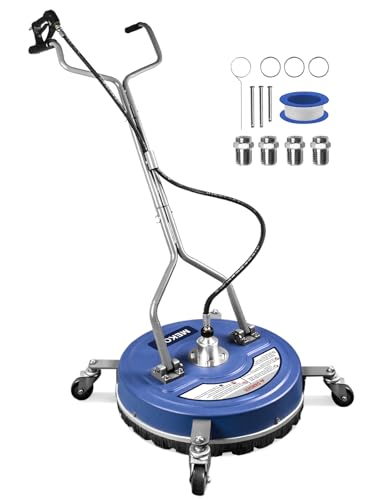 | Best For Flat Surfaces | Cleaning Type: Surface cleaner | Max Pressure: 4,500 PSI | Reach/Length: 20 in | VIEW LATEST PRICE | Read Our Analysis |
| NIFUAL Sewer Jetter Kit for Pressure Washer |  | Best For Drains | Cleaning Type: Sewer jetter kit | Max Pressure: 5,800 PSI | Reach/Length: 50 ft hose | VIEW LATEST PRICE | Read Our Analysis |
| BE Pressure 4000 PSI Whirl-A-Way Surface Cleaner Size: 20″ | 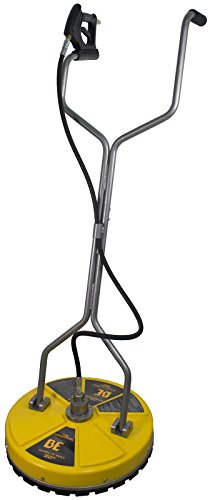 | Heavy-Duty Pick | Cleaning Type: Whirl-A-Way surface cleaner | Max Pressure: 4,000 PSI | Reach/Length: 20 in | VIEW LATEST PRICE | Read Our Analysis |
| Tool Daily Gutter Cleaner Attachment for Pressure Washer |  | Best Gutter Attachment | Cleaning Type: Gutter cleaner attachment | Max Pressure: 4,000 PSI | Reach/Length: Compact attachment | VIEW LATEST PRICE | Read Our Analysis |
| INTEX ZX100 Pressure-Side Automatic Pool Cleaner |  | Best For Pools | Cleaning Type: Pressure-side pool cleaner | Max Pressure: Pressure-pump driven | Reach/Length: 21 ft hose | VIEW LATEST PRICE | Read Our Analysis |
| Westinghouse Pressure Washer Undercarriage Cleaner & Water Broom |  | Best Undercarriage Cleaner | Cleaning Type: Undercarriage cleaner/water broom | Max Pressure: 4,400 PSI | Reach/Length: 35 ft hose | VIEW LATEST PRICE | Read Our Analysis |
More Details on Our Top Picks
JANZ 24 FT Pressure Washer Telescoping Wand
Should you need to clean high exterior surfaces without dragging out a ladder, the JANZ TW-004 telescoping pressure washer wand is a smart pick. You can extend it from 6 to 24 feet, so you reach siding, gutters, and eaves safely. It handles pressure washers up to 4,000 PSI and uses a lightweight aluminum build with a padded grip to cut fatigue. The sealed gun and built-in hose help prevent leaks, while the threaded outlet and 3/8″ QC inlet keep connections steady. You also get locking sections, angled attachments, a brush head, seven nozzles, and two adapters.
- Cleaning Type:Telescoping pressure washer wand
- Max Pressure:4,000 PSI
- Reach/Length:24 ft
- Connection Type:3/8″ QC inlet
- Primary Use:Siding/gutters
- Included Attachments:7 nozzles, brush, extensions
- Additional Feature:Four-section telescoping
- Additional Feature:Lever-lock adjustment
- Additional Feature:Padded support harness
Janz 24 FT Telescoping Pressure Washer Wand
The Janz 24 FT Telescoping Pressure Washer Wand is a strong pick should you need to clean high or hard-to-reach debris without climbing ladders, thanks to its 24-foot extendable, 5-stage aluminum design. You get a brush head, 15° wand, gutter cleaner wand, and five nozzle tips to tackle siding, soffits, fascia, and gutters. The lever locks help you adjust reach fast, while the padded support strap cuts fatigue. It handles up to 4,000 PSI, connects with 3/8-inch QC adapters, and uses a stable M22-14mm outlet for reliable cleaning.
- Cleaning Type:Telescoping pressure washer wand
- Max Pressure:4,000 PSI
- Reach/Length:24 ft
- Connection Type:3/8″ QC inlet
- Primary Use:Soffits/fascia/gutters
- Included Attachments:5 nozzles, brush, extensions
- Additional Feature:5-stage design
- Additional Feature:Ball valve control
- Additional Feature:Leak-resistant sealed hose
MEKOH Pressure Washer Surface Cleaner 20″ 4500PSI Attachment
Built for homeowners and pros who need fast, even cleaning on large surfaces, the MEKOH 20-inch surface cleaner tackles driveways, sidewalks, patios, and more with two spinning nozzles that help prevent striping while covering more ground in less time. You can pair it with most 2000+ PSI, 2+ GPM electric or gas washers. The 3/8-inch quick-connect makes setup simple. Its PP body, brass parts, and sealed bearings handle heat, chemicals, and pressure. Four casters and adjustable handles keep movement smooth, while changeable nozzles support power or soft washing for concrete, wood, tile, and brick.
- Cleaning Type:Surface cleaner
- Max Pressure:4,500 PSI
- Reach/Length:20 in
- Connection Type:3/8″ quick-connect
- Primary Use:Driveways/patios
- Included Attachments:Dual nozzles, casters
- Additional Feature:Dual spinning nozzles
- Additional Feature:Four universal casters
- Additional Feature:Two-handed operation
NIFUAL Sewer Jetter Kit for Pressure Washer
Should you’re a homeowner or DIYer handling with stubborn clogs, the NIFUAL Sewer Jetter Kit for Pressure Washer gives you a practical way to blast through large debris in drains, gutters, toilets, sinks, and sewer lines. You can run it up to 5800 PSI and use it from 40°F to 140°F. The 50-foot, 1/4-inch NPT hose balances flexibility and abrasion resistance for tough jobs. You get pointed, mushroom, corner, rotating, and spring nozzles to attack straight runs, bends, and corners. Waterproof tape, wrenches, and pearl pins help you install, maintain, and clear nozzles easily.
- Cleaning Type:Sewer jetter kit
- Max Pressure:5,800 PSI
- Reach/Length:50 ft hose
- Connection Type:1/4″ NPT
- Primary Use:Drains/pipes
- Included Attachments:Multiple jet nozzles, wrenches
- Additional Feature:Four specialized nozzles
- Additional Feature:Bent-pipe spring nozzle
- Additional Feature:Pearl pin cleaners
BE Pressure 4000 PSI Whirl-A-Way Surface Cleaner Size: 20″
In case you need a tough 20-inch surface cleaner for big jobs, the BE Pressure Whirl-A-Way stands out with its zero wall clearance and welded steel two-arm rotary bar, making it a smart pick for cleaning large debris on wide concrete areas, driveways, and commercial surfaces. You can run it at up to 4000 PSI, 8 GPM, and 180°F, so it handles demanding wash work well. Its heavy-duty polypropylene cover, nylon brush kit, and welded elbows add durability, while the easy-to-handle frame helps cut fatigue. At 20 pounds, it’s manageable and efficient.
- Cleaning Type:Whirl-A-Way surface cleaner
- Max Pressure:4,000 PSI
- Reach/Length:20 in
- Connection Type:Manual connection
- Primary Use:Driveways/patios
- Included Attachments:Rotary bar, brush kit
- Additional Feature:Zero wall clearance
- Additional Feature:Welded steel rotary bar
- Additional Feature:Nylon brush kit
Tool Daily Gutter Cleaner Attachment for Pressure Washer
The Tool Daily Gutter Cleaner Attachment for Pressure Washer is a smart pick provided you need to blast leaves and packed debris out of clogged gutters fast. You get a 1/4-inch quick-connect tool that fits most gas and electric wands, so you can install it quickly and get to work. Its brass and stainless-steel build handles up to 4000 PSI, and the two high-pressure nozzles help you clear cluttered gutters efficiently. You also get four nozzle tips, including 0° and 40° options, plus UL compliance and a 30-day return guarantee for added confidence.
- Cleaning Type:Gutter cleaner attachment
- Max Pressure:4,000 PSI
- Reach/Length:Compact attachment
- Connection Type:1/4″ quick disconnect
- Primary Use:Gutters
- Included Attachments:4 nozzle tips
- Additional Feature:Four nozzle tips
- Additional Feature:Brass stainless build
- Additional Feature:UL certified
INTEX ZX100 Pressure-Side Automatic Pool Cleaner
Should you’ve got a larger above-ground pool and want a no-fuss way to clear leaves, dirt, sand, and bugs, the INTEX ZX100 pressure-side automatic cleaner is built for that job. You connect it to the inlet, hook up the 21-foot non-tangle hose, and let your pump power it. It works with 2,100 to 3,500 gallons per minute flow and suits pools up to 26 feet round or 36 by 12 feet rectangular. Oversized wheels guide it, while the quarter-gallon tray catches debris easily. It’s durable, safe, and affordable.
- Cleaning Type:Pressure-side pool cleaner
- Max Pressure:Pressure-pump driven
- Reach/Length:21 ft hose
- Connection Type:Pool inlet fitting
- Primary Use:Pool floors
- Included Attachments:Debris tray, hose, converter
- Additional Feature:Quarter-gallon debris tray
- Additional Feature:Non-tangle swivel hose
- Additional Feature:Oversized rotating wheels
Westinghouse Pressure Washer Undercarriage Cleaner & Water Broom
Westinghouse’s Universal 16″ Pressure Washer Undercarriage Cleaner and Water Broom attachment is a smart pick should you need one tool to tackle both vehicle underbodies and wide flat surfaces. You can hook it to most gas and electric pressure washers with M22 1/4 quick connectors, then blast away dirt, oil, salt, and grime from trucks, SUVs, RVs, and trailers. Its four nozzles handle up to 4,400 PSI and hot water to 194°F. You’ll also clear garage floors, driveways, and patios while reducing slip hazards. The curved wand and wheels help you steer easily.
- Cleaning Type:Undercarriage cleaner/water broom
- Max Pressure:4,400 PSI
- Reach/Length:35 ft hose
- Connection Type:M22 1/4 quick connectors
- Primary Use:Vehicle undercarriages
- Included Attachments:4 nozzles, wheels, extension wand
- Additional Feature:Dual-function attachment
- Additional Feature:Long curved wand
- Additional Feature:180-day warranty
Factors to Consider When Choosing Pressure Cleaners for Large Debris
When you choose a pressure cleaner for large debris, start with the debris type so you match the tool to the mess. You’ll also want to consider about surface area coverage, pressure and flow, nozzle compatibility, and hose reach length. The right mix helps you clean faster and reach every spot without wasting effort.
Debris Type Matters
Debris type matters because the wrong setup can clog, wear out, or damage your pressure cleaner fast. You need to match the cleaner to what you’re removing. Wet leaves, twigs, and plastic bottles can block nozzle openings or gutter attachments, so check clearance before you start. Light, floatable debris like pine needles is easier to move, but sand and small stones are abrasive and demand tougher nozzles, abrasion-resistant hoses, and a safer standoff to limit wear. For mud or compacted leaf litter, you’ll need higher flow and rotating or high-impact nozzles, not just more PSI. Should grass, rope, or fishing line can snag, choose guarded parts and easy-access filters. Corrosive debris calls for chemical-resistant fittings and filtration.
Surface Area Coverage
Surface area coverage should guide your choice of pressure cleaner just as much as debris type does, because bigger jobs need wider cleaning paths and enough flow to keep up. Initially, measure the square footage you’ll clean so you can match the tool to the job. A 16–20 inch surface cleaner typically covers about 1.8–2.8 square feet per pass, and wider decks or multi-nozzle attachments increase that coverage. You should also plan for 10–20% overlap to prevent streaks, which means more passes than the raw area suggests. For big flat spaces, wheeled cleaners usually move faster and feel steadier than handheld wands, so you’ll save time and reduce fatigue. Via estimating width and travel speed together, you can size labor and equipment more accurately.
Pressure And Flow
Once you’ve matched the cleaner to the area, focus on pressure and flow, because large debris like leaves, twigs, and gravel needs volume as much as force. You should prioritize gallons per minute as much as, or even more than, peak PSI, since higher GPM moves more material and clears it faster. Aim for at least 3–5 GPM should you want dependable debris removal; lower flow often struggles even when pressure looks strong. PSI still matters for breaking loose packed grit, but sustained flow and a wider spray pattern do most of the sweeping. Make sure your machine’s continuous PSI and GPM stay within spec for any attachments, since long hoses and accessories can cut usable flow and reduce real-world cleaning power.
Nozzle Compatibility
As you narrow down pressure cleaners for large debris, make sure the nozzle or attachment matches your wand or hose connection, whether that’s 1/4″ or 3/8″ quick-connect, M22, or another threaded size, so you can avoid leaky adapters and weak points. Then confirm the nozzle handles your washer’s maximum PSI and GPM; an underrated tip can fail or cut cleaning power. Choose the spray angle and orifice size for the job: wider tips spread force to push loose debris, while narrow jets hit stubborn clogs harder. Also look for durable materials like brass, stainless steel, or reinforced plastics with solid seals assuming you’ll use detergents, hot water, or abrasive grit. Should you prefer rotary or gutter attachments, verify the system accepts them safely.
Hose Reach Length
As you’re choosing a pressure cleaner for large debris, make sure the hose reach lets you cover the whole work area from a stable position—measure the farthest point from your water source and add 10–20% extra for movement. A 25–50+ foot hose can save you from frequent resets and help you clear gutters, roofs, or driveways without dragging debris back across cleaned surfaces. Keep in mind that pressure drops as length increases, often about 2–5% per 10 feet with standard 3/8-inch hoses. Should you need extra distance, choose a 3/8-inch or 1/2-inch high-flow hose to preserve GPM and cleaning force. For very long runs, plan for reels, straps, or supports so the hose won’t kink or strain your setup.
Mobility And Maneuverability
As you’re clearing large debris, mobility matters almost as much as raw cleaning power, so choose a pressure cleaner with wheels or casters built for rough terrain and a load rating that matches or exceeds the machine’s weight. That helps you roll over gravel, grass, and uneven drives without battling the machine. Check hose and cord lengths around 30 to 50 feet, plus swivel fittings, so you can cover wide areas without dragging everything back and forth. Favor compact models with foldable or detachable handles should you need to load them into a truck or carry them upstairs. You should also look for balanced weight, an ergonomic handle, quick-connect fittings, and lightweight extension wands. These features let you steer confidently around obstacles and tight spaces with less strain.
Durability And Materials
Whenever you’re cleaning large debris, durability matters because the machine will face water, grit, chemicals, and constant vibration. You should choose housings and key parts made from anodized aluminum, stainless steel, or reinforced polymers so they won’t crack or corrode after repeated use. Check seals, O-rings, and bearings; EPDM, Viton, and Teflon-lined options handle heat and detergents better, therefore you’ll cut leaks and downtime. Make sure hoses and fittings are rated for at least the unit’s maximum PSI and use braided steel or multilayer reinforcement to resist bursts and abrasion. Pick nozzles, jets, and quick-connects in hardened brass or stainless steel. Welded frames, reinforced mounts, and replaceable wear parts also help your cleaner last longer.
Safety And Control
As you’re choosing a pressure cleaner for large debris, prioritize control features that let you tame kickback and guide debris safely. Pick a washer with adjustable pressure or a trigger gun with variable flow so you can match power to the job and keep debris from jumping loose. Use a wand or attachment with a locked telescoping or rigid extension, plus secure threaded or quick-connect fittings, whenever you’re reaching high or awkward spots. Wear impact-resistant goggles, a face shield, cut-resistant gloves, and non-slip footwear, and keep bystanders 30 feet away. Choose wider-pattern nozzles or surface-cleaner attachments, and run lower PSI whenever possible. Verify hoses and connectors exceed operating PSI by 20% and inspect for wear or leaks before each use.
Frequently Asked Questions
How Often Should Large Debris Pressure Cleaners Be Maintained?
Maintain large debris pressure cleaners after each use, with monthly inspections and yearly servicing. This helps identify clogs, wear, and leaks early, preserve cleaning performance, and extend the unit’s lifespan.
Can Pressure Cleaners Damage Delicate Outdoor Surfaces?
Yes, pressure cleaners can damage delicate surfaces very quickly if used carelessly. Use lower pressure, wider nozzles, and test a small area first, or you may etch wood, strip paint, and scar stone.
Are Battery-Powered Pressure Cleaners Effective for Large Debris?
Yes, battery powered pressure cleaners can handle large debris, but they usually have less force than corded or gas models. They work well for loose dirt and scattered leaves, but packed mud and heavier buildup may need a stronger machine.
What Safety Gear Is Essential When Using High-Pressure Cleaners?
About 6,000 pressure washer injuries are treated in emergency rooms each year. Wear goggles, gloves, hearing protection, sturdy boots, long pants, and non slip footwear. Keep your face, hands, and feet away from the spray.
How Do I Store Pressure Cleaner Attachments Between Uses?
Store attachments in a dry, labeled bin or wall rack, and drain all water from them first. Keep the fittings together, out of direct sunlight, and away from freezing temperatures to prevent damage or loss.
