

About 70% of home water-related cleaning complaints trace back to buildup, not breakdown, and that’s why you need the right automatic cleaner in 2026. You’ll see options for softener resin care, limescale control, aquariums, toilets, jewelry, and windows, but not every device handles hard water the same way. The best choice can save you time, protect equipment, and cut repeat maintenance. One of these seven stands out for a reason you may not expect.
| Res Care Easy Feeder Softener Cleaning System |  | Best for Softeners | Cleaning Type: Water softener cleaner | Power Source: Manual winding | Cleaning Target: Softener resin | VIEW LATEST PRICE | Read Our Analysis |
| Electronic Water Descaler System for Limescale Reduction |  | Best Descaler | Cleaning Type: Water descaler | Power Source: Corded electric | Cleaning Target: Pipes | VIEW LATEST PRICE | Read Our Analysis |
| Ultrasonic Jewelry Cleaner Machine (350ml Stainless Steel Tank) |  | Best for Jewelry | Cleaning Type: Ultrasonic cleaner | Power Source: Plug-in electric | Cleaning Target: Jewelry | VIEW LATEST PRICE | Read Our Analysis |
| UPETTOOLS Aquarium Gravel Cleaner Electric Automatic Vacuum Cleaner |  | Best for Aquariums | Cleaning Type: Aquarium gravel cleaner | Power Source: 110V electric | Cleaning Target: Aquarium substrate | VIEW LATEST PRICE | Read Our Analysis |
| In-Tank Toilet Cleaner for Hard Water Stains | 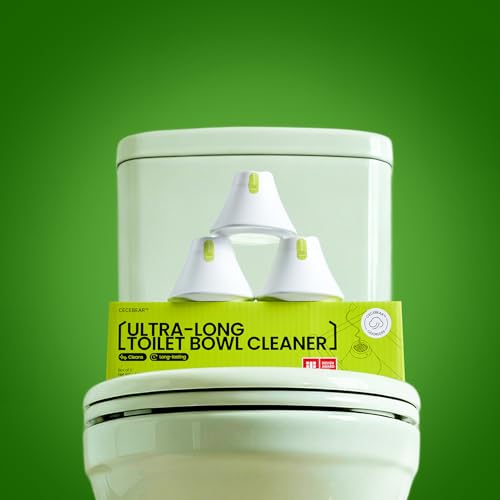 | Best for Toilets | Cleaning Type: Toilet tank cleaner | Power Source: Chemical action | Cleaning Target: Toilet tank | VIEW LATEST PRICE | Read Our Analysis |
| ECOVACS WINBOT W2 PRO Omni Window Cleaning Robot | Best Window Cleaner | Cleaning Type: Window cleaning robot | Power Source: Battery / corded | Cleaning Target: Glass | VIEW LATEST PRICE | Read Our Analysis | |
| GDM HOME ResCare RK64N All-Purpose Water Softener Cleaner 64 Ounce |  | Best Refill Cleaner | Cleaning Type: Water softener cleaner | Power Source: Automatic feeder | Cleaning Target: Softener resin | VIEW LATEST PRICE | Read Our Analysis |
More Details on Our Top Picks
Res Care Easy Feeder Softener Cleaning System
If you’re looking for an easy way to keep your water softener working at peak performance, the Pro Products Res Care Easy Feeder Starter Kit is a strong fit. You get a complete, manual winding, non-electronic system that continuously doses one ounce of Res Care liquid cleaner each day. That steady maintenance helps restore fouled resin beds, improve capacity, and extend resin life. It also removes iron, manganese, silt, mineral deposits, and other buildup that salt alone can’t handle. NSF/ANSI/CAN 60 certified, it supports cleaner, better-tasting water and reduces softener failures and odors.
- Cleaning Type:Water softener cleaner
- Power Source:Manual winding
- Cleaning Target:Softener resin
- Installation Type:Freestanding
- Material:Cardboard
- Primary Benefit:Resin restoration
- Additional Feature:Manual winding feeder
- Additional Feature:Feeds 1 ounce daily
- Additional Feature:NSF/ANSI/CAN 60 certified
Electronic Water Descaler System for Limescale Reduction
The Automatic Cleaners Water Quality electronic water descaler is a smart fit for homes and businesses that want to cut limescale, rust, and mineral buildup without using salt or chemicals. You wrap its coil outside your main pipe, plug in the corded unit, and let frequency-modulated electromagnetic signals reshape calcium and magnesium into smoother particles. They’re less likely to cling to pipes, fixtures, and equipment, so you can help protect flow, heating efficiency, and odor control. It won’t alter pH, keeps minerals in place, and can work on many pipe types with easy installation.
- Cleaning Type:Water descaler
- Power Source:Corded electric
- Cleaning Target:Pipes
- Installation Type:Exterior mounted
- Material:Plastic
- Primary Benefit:Scale reduction
- Additional Feature:Frequency-modulated signals
- Additional Feature:Exterior coil wrap
- Additional Feature:Works on main pipe
Ultrasonic Jewelry Cleaner Machine (350ml Stainless Steel Tank)
With 48kHz ultrasonic cleaning and a 95% dirt-removal rate, this 350ml stainless steel jewelry cleaner is a smart pick for anyone who wants fast, hands-off results on jewelry, eyeglasses, rings, watch bands, or dentures. You can choose a 5-minute gentle cycle or a 7-minute intensive one, then let it shut off automatically. The 304 stainless steel tank helps prevent scratches, and you only need water for everyday cleaning. Its compact 0.57kg body stores easily, and one-touch controls make it simple. Use a dedicated solution for stubborn grime.
- Cleaning Type:Ultrasonic cleaner
- Power Source:Plug-in electric
- Cleaning Target:Jewelry
- Installation Type:Countertop
- Material:Stainless steel
- Primary Benefit:Dirt removal
- Additional Feature:48kHz ultrasonic tech
- Additional Feature:5-minute gentle mode
- Additional Feature:7-minute intensive mode
UPETTOOLS Aquarium Gravel Cleaner Electric Automatic Vacuum Cleaner
UPETTOOLS Aquarium Gravel Cleaner Electric Automatic Vacuum Cleaner is a smart pick for aquarium owners who want an easy way to keep water clear and tanks well maintained. You can use this 110V, 28W electric vacuum as a water changer, sand cleaner, algae cleaner, and filter changer. It comes with four filter bags that hold bio-balls, activated carbon, ceramic media, or ammonia remover, helping your filtration work better. Its removable design makes setup simple, and the durable mesh material cleans easily. You’ll support a healthier aquarium environment and give your aquatic life reliable care with less effort.
- Cleaning Type:Aquarium gravel cleaner
- Power Source:110V electric
- Cleaning Target:Aquarium substrate
- Installation Type:Tank insert
- Material:Mesh material
- Primary Benefit:Water filtration
- Additional Feature:4 filter bags
- Additional Feature:Holds bio-balls
- Additional Feature:Includes ammonia remover
In-Tank Toilet Cleaner for Hard Water Stains
Should you’re handling hard water stains, mineral deposits, or toilet rings, this in-tank cleaner is a smart fit for regular maintenance. You twist off the cap, remove the protective film, let water enter the bottle, and place it flat in your tank. The automatic cleaner activates with each flush and keeps working for up to 1,000+ flushes. You’ll get better results whenever you allow time between flushes. It helps reduce buildup, keeps your hands away from dirty water, and stays septic-friendly whenever you use it as directed. Heavy buildup still needs manual cleaning initially.
- Cleaning Type:Toilet tank cleaner
- Power Source:Chemical action
- Cleaning Target:Toilet tank
- Installation Type:In-tank
- Material:Bottle plastic
- Primary Benefit:Stain prevention
- Additional Feature:1000+ flushes
- Additional Feature:Bottle-and-hook system
- Additional Feature:International design award
ECOVACS WINBOT W2 PRO Omni Window Cleaning Robot
The ECOVACS WINBOT W2 PRO Omni is a strong choice in case you want a window-cleaning robot that works both with and without a nearby outlet. You can clean balconies or bathrooms on battery power for up to 110 minutes, or plug it in for nonstop use on larger glass areas. Its 6-in-1 station gives you control, charging, stabilizing, and storage in one unit. Triple-nozzle spraying and wet cloth support lift dirt fast, while WIN-SLAM 4.0 maps efficient paths. You also get 12-stage protection, anti-fall safety, five modes, and app control.
- Cleaning Type:Window cleaning robot
- Power Source:Battery / corded
- Cleaning Target:Glass
- Installation Type:Station-based
- Material:Plastic
- Primary Benefit:Window cleaning
- Additional Feature:Dual power modes
- Additional Feature:6-in-1 station
- Additional Feature:12-stage protection
GDM HOME ResCare RK64N All-Purpose Water Softener Cleaner 64 Ounce
GDM HOME ResCare RK64N All-Purpose Water Softener Cleaner 64 Ounce is a solid choice whenever you want to restore resin beads and valve parts without relying on salt alone. You get a specially formulated liquid cleaner that removes contaminants salt can’t touch and helps your softener run efficiently. Use 4 ounces per cubic foot, and you’ll get the best results with Pro Easy Feeder, which works automatically inside or outside the brine tank. This 64-ounce bottle supports residue-free cleaning, helps extend unit life, and works on metal and plastic surfaces for reliable maintenance.
- Cleaning Type:Water softener cleaner
- Power Source:Automatic feeder
- Cleaning Target:Softener resin
- Installation Type:Brine-tank mounted
- Material:Liquid formula
- Primary Benefit:Resin maintenance
- Additional Feature:64 fluid ounces
- Additional Feature:Residue-free formula
- Additional Feature:Use with Easy Feeder
Factors to Consider When Choosing Automatic Cleaners for Water Quality
When you choose an automatic cleaner for water quality, you should first look at how its cleaning mechanism works and whether it matches your needs. You’ll also want to check water compatibility, how easy it is to install, and how much upkeep it needs. Don’t forget to verify safety certifications so you can trust it in your system.
Cleaning Mechanism
Because cleaning mechanisms vary widely, you need to match the system to the residue you’re trying to remove. If you’re dealing with scale, sludge, algae, iron, or plain debris, choose a cleaner that attacks that exact problem. Mechanical dispensers can dose cleaner continuously, even at a fixed rate like 1 ounce per day, so you can slow buildup and restore fouled surfaces over time. If you want a chemical-free option, look for systems that change how calcium and magnesium crystals form, which helps prevent new limescale. Ultrasonic units use about 48 kHz vibration to shake loose dirt from delicate items without scrubbing. Powered vacuum, filtration, and flushing systems work best when you need active removal, not just prevention, so you can keep your cleaning results consistent.
Water Compatibility
Water compatibility matters just as much as cleaning power, so you’ll want to check that the system matches your water conditions before you buy. If your water is very hard, mineral-rich, or scale-prone, choose a cleaner that can handle it without losing efficiency. Check any stated limits for dissolved solids, and see whether the unit needs iron reduction before it performs well. Match the cleaner to the buildup you actually face, whether that’s limescale, iron, manganese, rust, or mineral deposits. You should also confirm it’s safe for the materials in your plumbing or appliance, including pipes, tanks, resin beds, glass, stainless steel, plastic, or aquarium components. Finally, consider whether the treatment changes water chemistry, since salt-free and chemical-free systems act differently from those that add agents or require dosing.
Installation Ease
Installation ease can make a big difference in how quickly you start using an automatic cleaner and how well it fits your space. You’ll want a model that you can place, attach, and start with minimal steps, so you don’t waste time or invite mistakes. Choose a unit that installs without cutting pipes, altering plumbing, or damaging existing lines, since non-invasive setups are simpler and safer. Freestanding, tank-based, and clip-on designs usually let you position and remove the cleaner more easily than built-in or heavily mounted systems. Also check the power setup: standard corded power or manual operation can simplify placement. Finally, confirm the cleaner matches your target system or surface, so you won’t need extra adapters, modifications, or complicated adjustments.
Maintenance Needs
Maintenance needs can determine whether an automatic cleaner stays convenient or becomes a chore. You should match the system to the contaminants you’re targeting: iron, manganese, silt, mineral deposits, limescale, hard water stains, or algae all need different cleaning methods. Also, check how often it works. Some cleaners dose daily or flush automatically, while others only run in short 5- to 7-minute cycles or longer sessions. Should you not want extra work, avoid units that need frequent refills, replacement media, or filter bag changes. Make sure your water conditions support the cleaner, including low iron, acceptable TDS, and enough flow. Finally, choose models with easy monitoring, auto shutoff, removable parts, and simple service access so upkeep stays quick and manageable for you.
Safety Certifications
Whenever you’re choosing an automatic cleaner for water quality, safety certifications should be one of your initial checks. Look for recognized marks like NSF/ANSI/CAN 60, which shows the material or treatment component is certified for contact with drinking water applications. Make sure the certification fits your intended use; a product approved for household treatment isn’t always suitable for direct potable-water contact unless it’s specifically certified. Check the label or documentation for the exact standard number and version, because claims can vary by application, material, and performance. If the cleaner uses electricity or electronics near water, confirm it also meets relevant electrical safety expectations. Choose products that clearly state their certification status and operating limits so you can verify they’re safe for your water and installation setup.
Operating Efficiency
After checking safety certifications, the next thing to weigh is how efficiently an automatic cleaner will fit your water conditions and routine. You’ll get better results whenever the dosing or cleaning cycle matches your buildup rate, because steady low-dose maintenance usually works better than occasional heavy treatment. Unless you’re using a scale-control device, keep your water within the supported range; high dissolved solids or iron above about 0.3 ppm can cut performance. Look for systems that run continuously or automatically, since they stop buildup before it hardens and keep pipes, resin beds, and surfaces efficient. Faster cleaning methods and optimized flow coverage also save time, water, and power. Finally, choose a unit that’s easy to install and operate, because correct placement and stable use help it recover performance reliably.
Frequently Asked Questions
How Often Should Automatic Cleaners Be Maintained for Peak Performance?
You should maintain your automatic cleaner weekly for peak performance, and inspect it monthly for wear, clogs, and damaged parts. You’ll extend its lifespan, avoid breakdowns, and keep cleaning efficiency high.
Can Automatic Cleaners Damage Delicate Surfaces or Finishes?
Yes, they can, but you can avoid damage by choosing soft brushes, proper settings, and compatible cleaners. You’ll protect delicate surfaces like tile, vinyl, or polished finishes while still getting thorough cleaning.
Which Cleaner Works Best With Extremely Hard Water Conditions?
You’ll usually get the best results with a robotic cleaner that has strong filtration, anti-scale features, and adjustable brushes; it’ll handle mineral buildup better, so you won’t need to scrub as often.
Are Automatic Cleaners Safe for Septic Systems and Plumbing?
Yes, you can use most automatic cleaners safely with septic systems and plumbing if you choose compatible models, avoid harsh chemicals, and maintain them properly. You’ll protect pipes by checking manufacturer guidance and flushing regularly.
Do Automatic Cleaners Require Special Detergents or Additives?
Usually, you don’t need special detergents or additives; you use the cleaner’s recommended formula. Check the manual, because some models work best with low-suds or manufacturer-approved products, and you’ll avoid buildup and warranty issues.
