

Choosing between gas and electric water heaters comes down to how you live and what your space can support. Should you need fast recovery, higher output, or off-grid flexibility, gas could suit you better. Should you want simpler installation, quieter operation, and lower upfront hassle, electric could be the better fit. The details matter more than they initially appear, and one choice can change your daily routine more than you’d expect.
| Suburban Advantage RV Tank Water Heater SW6D (5238A) | 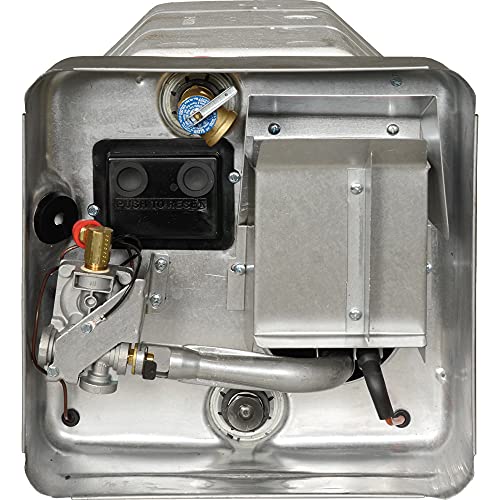 | Best RV Pick | Fuel Type: Gas/electric | Capacity: 6 gallons | Installation Type: Floor mount | CHECK LATEST PRICE | Check Our Analysis |
| GE Appliances 10 Gallon Electric Water Heater | 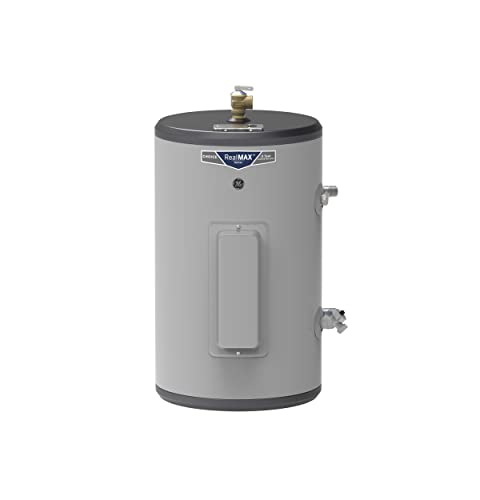 | Best Electric Option | Fuel Type: Electric | Capacity: 10 gallons | Installation Type: Inline/standalone | CHECK LATEST PRICE | Check Our Analysis |
| Tankless Propane Water Heater 5.26GPM Outdoor Portable | Best Portable Tankless | Fuel Type: Propane | Capacity: 20L | Installation Type: Portable outdoor | CHECK LATEST PRICE | Check Our Analysis | |
| Portable Propane Tankless Water Heater for Camping |  | Best Camping Choice | Fuel Type: Propane | Capacity: 6 liters | Installation Type: Wall mount | CHECK LATEST PRICE | Check Our Analysis |
| AQUASTRONG Inverter Pool Heat Pump with WiFi Control | Best Smart Upgrade | Fuel Type: Electric | Capacity: 7,000 gallons | Installation Type: Pool-side setup | CHECK LATEST PRICE | Check Our Analysis |
More Details on Our Top Picks
Suburban Advantage RV Tank Water Heater SW6D (5238A)
Should you want fast hot water on the road, the Suburban Advantage SW6D makes a strong RV pick. You get a 6-gallon porcelain-lined steel tank built for durability, plus a replaceable anode rod that helps fight corrosion and doubles as the drain. Its DSI gas system delivers 12,000 BTU/h, and the optional 1,440-watt electric element lets you heat water at camp or with a generator. You’ll enjoy quick recovery, too: 10.1 gallons per hour on gas and 6.1 on electric. It’s pressure-tested twice and backed through limited warranties.
- Fuel Type:Gas/electric
- Capacity:6 gallons
- Installation Type:Floor mount
- Hot Water Output:12,000 BTU
- Temperature Control:DSI ignition
- Safety Features:Anode protection
- Additional Feature:Porcelain-lined steel tank
- Additional Feature:Replaceable anode rod
- Additional Feature:Dual fuel option
GE Appliances 10 Gallon Electric Water Heater
GE Appliances’ 10-gallon electric water heater fits you well when space is tight and hot water needs are modest. You can install it in minutes if you already have existing plumbing, thanks to standard 3/4-inch NPT connections and 120-volt compatibility. Its compact design works in kitchens, bathrooms, laundry rooms, RVs, cabins, barns, and garages. You can use it alone or as an inline enhancer for washing machines and long plumbing runs. An adjustable thermostat lets you fine-tune temperatures easily. You also get an 8-year limited replacement warranty for extra peace of mind.
- Fuel Type:Electric
- Capacity:10 gallons
- Installation Type:Inline/standalone
- Hot Water Output:Electric heating
- Temperature Control:Adjustable thermostat
- Safety Features:Limited warranty
- Additional Feature:Space-saving design
- Additional Feature:Inline booster use
- Additional Feature:8-year warranty
Tankless Propane Water Heater 5.26GPM Outdoor Portable
If you need hot water off-grid, this forimo propane heater is a strong portable tankless pick. You get propane-only instant heating with 5.26 GPM output, 68,000 BTU/hour performance, and up to a 167°F temperature rise. It starts at just 3.6 PSI, so low-pressure sources work better than you’d expect. Built in alloy steel, it’s compact, lightweight, and easy to pack for camping, RV trips, beach days, or pet washing. Safety features include a CSA-approved regulator, flame failure, anti-freezing, and overheating protection. It’s not electric, so you’ll need D-cell batteries and a gas check first.
- Fuel Type:Propane
- Capacity:20L
- Installation Type:Portable outdoor
- Hot Water Output:5.26 GPM
- Temperature Control:Adjustable heat
- Safety Features:Flame failure protection
- Additional Feature:5-spray shower head
- Additional Feature:2 D cell batteries
- Additional Feature:Portable outdoor use
Portable Propane Tankless Water Heater for Camping
For campers who need instant hot water, this propane tankless heater fits the trip. You get 42,000 BTU per hour, a 6L capacity, and a 1.58 GPM flow rate, so showers start fast without preheating. You can adjust heat and water flow, and it starts at just 2.5 PSI. The compact 4.99 kg build, handle, and mounting bracket make packing easy for RVs, cabins, beaches, boats, and pet washing. CSA approval, flame-out, overheat, and anti-freeze protections help keep you safer. It’s energy-efficient, too, with reported 11.5% savings, plus a 2-year warranty.
- Fuel Type:Propane
- Capacity:6 liters
- Installation Type:Wall mount
- Hot Water Output:1.58 GPM
- Temperature Control:Adjustable heat/water flow
- Safety Features:Flameout protection
- Additional Feature:Automatic flameout control
- Additional Feature:Rear mounting bracket
- Additional Feature:24-month warranty
AQUASTRONG Inverter Pool Heat Pump with WiFi Control
AQUASTRONG’s 22,000 BTU inverter pump makes a smart upgrade for smaller above-ground pools. You can heat up to 7,000 gallons with its slim, mobile design, and you’ll also get cooling mode for year-round comfort. Its built-in WiFi lets you adjust temperatures from your phone anytime, anywhere. Full DC inverter tech delivers a 7.5 COP and real-time power control, so you can cut energy use up to 70% versus traditional electric heating. It runs quietly at 38 dB, defrosts automatically, installs fast, and includes a 3-year warranty plus lifetime support.
- Fuel Type:Electric
- Capacity:7,000 gallons
- Installation Type:Pool-side setup
- Hot Water Output:22,000 BTU
- Temperature Control:WiFi/app control
- Safety Features:Defrost system
- Additional Feature:WiFi smart control
- Additional Feature:Heating and cooling
- Additional Feature:38 dB operation
Factors to Consider When Choosing Gas Vs Electric Water Heater
When you choose between gas and electric water heaters, you’ll want to weigh fuel costs, heating speed, and total energy efficiency. You should also consider installation needs, since gas units might require venting and gas lines while electric models are often simpler to set up. Space requirements matter too, especially whenever you need a compact unit that fits your home easily.
Fuel Costs
Fuel costs can quickly tip the balance between gas and electric water heaters. If you use propane or natural gas, you may pay more when local prices climb, even if your gas unit looks efficient on paper. Electric models often give you steadier bills because they rely on household electricity, but your rate and the heater’s wattage still shape what you spend. In some homes, electric heat can work efficiently at the point of use, yet you’ll still pay for the energy needed to keep water ready. Your habits matter too: if you use hot water only now and then, electric may save you money, while frequent, heavy use can make gas bills pile up. Consider your usage before you decide.
Heating Speed
Gas water heaters usually heat water faster than electric models because they can deliver much higher input, with some units ranging from about 12,000 to 68,000 BTU per hour. That extra power helps you recover hot water quickly after showers, laundry, or dishwashing. Electric heaters often warm water more slowly, but they can still keep up with steady demand, with some tank designs recovering around 6.1 gallons per hour. Whenever you want hot water almost on demand, a tankless gas unit can heat water as it flows instead of reheating stored water. Tank-style heaters can also feel quicker because they keep a reserve ready, so smaller 6 to 10 gallon tanks can cut waiting time for short uses and everyday tasks.
Installation Needs
After comparing heating speed, you also need to consider installation needs, since the easier unit to set up can save time and hassle. If you want a straightforward swap, an electric water heater often wins because it usually needs only the right electrical supply and standard water hookups. Some models even go in within minutes when they match your existing 3/4-inch NPT plumbing and 120-volt service. Gas units are more demanding because you’ll need a fuel line, combustion venting, and ignition parts. Tankless gas models can add propane or natural gas setup and leak checks before use. In RVs or tight spaces, gas tanks may mount on floors or walls, while electric units fit best when simple wiring is already available.
Energy Efficiency
Whenever you compare energy efficiency, electric water heaters often turn more of the power they use into heat at the point of use, while gas models lose some energy through combustion and venting even though they can heat water quickly. That means you’ll often get less direct waste from an electric unit, but your actual savings depend on how you use hot water. If you draw water in short bursts, a tankless gas model can cut standby losses by heating only whenever you need it. If you use lots of hot water continuously, a gas tank heater’s faster recovery can keep up better and reduce waiting. Look for better insulation, heat transfer design, or inverter-style control whenever you want higher efficiency and steadier temperatures.
Space Requirements
Space matters more than many homeowners expect: gas water heaters usually need extra clearance for venting and combustion parts, while electric models can often fit into tighter indoor spots since they don’t need a flue or gas line. You should measure the full installation area, not just the heater itself, because a few extra inches can decide whether it fits. Traditional tank models demand more floor space, so height and depth matter as much as capacity. Compact tankless gas units save room by mounting on a wall, but they still need space for gas, water lines, and proper placement. Also, leave room for maintenance, drainage, and future servicing. A cramped setup can make replacement or inspection harder later.
Safety Features
Safety features should be a top priority whenever you compare gas and electric water heaters. If you choose gas, look for flame failure, flameout, dry-combustion, and automatic gas shutoff protection so the unit can stop unsafe operation fast. You should also check that it’s CSA approved or carries similar certification, since that signals compliance with recognized safety standards. For gas models, low-water-pressure startup matters too; if ignition struggles below about 2.5 to 3.6 PSI, you could face unreliable or risky heating. With electric units, you avoid open flames, but you still need solid thermostat control and correctly rated 120-volt or similar connections to prevent overheating and electrical problems. In both types, overheat protection around 167°F helps guard against scalding and damage.
Frequently Asked Questions
How Much Maintenance Does Each Water Heater Need?
Electric heaters usually require only basic care, such as periodic tank flushing and thermostat checks. Gas heaters need more attention, including yearly inspections of the burner, vent, and pilot light, along with tank flushing. Electric units typically take less time to maintain.
Which Type Works Better During a Power Outage?
Gas, naturally, because nothing says prepared like hot showers when the grid goes out. You can still have hot water during an outage if your gas heater uses a pilot light or battery ignition.
Are Gas Water Heaters More Environmentally Friendly?
Not usually. High efficiency gas units often produce lower emissions than standard electric models, but electric heaters can be cleaner if your electricity comes from renewable sources. You can cut environmental impact most by choosing an efficient model and keeping it well maintained.
How Noisy Are Gas and Electric Water Heaters?
Gas water heaters tend to be louder because the burner, ignition, and venting all create sound. Electric water heaters are usually quieter, with only a soft click or low hum. If low noise matters, electric is often the better choice.
Can I Switch From Gas to Electric Later?
Yes, you can, but you will probably need electrical upgrades, venting changes, and a compatible tank or tankless unit. Compare installation costs upfront, because changing later can become expensive.
Wrap Up
Choosing between gas and electric water heaters comes down to your space, budget, and hot-water needs. Whenever you want fast recovery and strong performance for larger demand, gas could fit you best. Whenever you prefer simpler installation, quieter operation, and smaller-scale use, electric could be the better choice. Consider of it like picking the right tool for the job—each works well whenever it matches your lifestyle, so choose the one that keeps your home comfortable.
