

If your generator sits too close to a wall during a storm, you could end up with water damage, unsafe fumes, or a costly shutdown. You need the right cover, enough ventilation, and a setup that matches your panel and load demands. Grounding, interlock compatibility, and clear safety labels matter too, but one small mistake can change everything.
| Generator Tent Cover with Bracket Waterproof Rooftop Design | 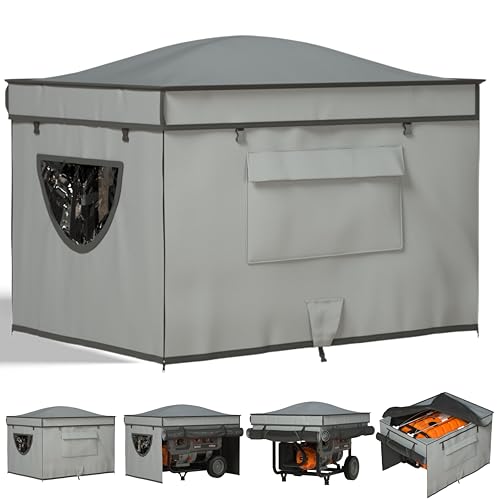 | All-Weather Protection | Product Type: Generator cover | Compatibility: Most external-frame generators | Material: 900D Oxford cloth | CHECK LATEST PRICE | Check Our Analysis |
| EAT-CH200A Generator Interlock Kit for Cutler Hammer |  | Panel Compatibility Pick | Product Type: Interlock kit | Compatibility: Cutler Hammer CH | Material: Metal/plastic parts | CHECK LATEST PRICE | Check Our Analysis |
| Galvanized Ground Rod for Lightning Protection and Grounding |  | Grounding Essential | Product Type: Ground rod | Compatibility: Generators and equipment | Material: Galvanized steel | CHECK LATEST PRICE | Check Our Analysis |
| Generator Interlock Kit for GE 150/200 Amp Panels |  | Best Safety Interlock | Product Type: Interlock kit | Compatibility: GE 150/200A panels | Material: Stainless steel | CHECK LATEST PRICE | Check Our Analysis |
| Generator Safety Tips Poster Canvas Decor 08x12inch |  | Safety Reference Decor | Product Type: Safety poster | Compatibility: General generator safety | Material: Canvas | CHECK LATEST PRICE | Check Our Analysis |
More Details on Our Top Picks
Generator Tent Cover with Bracket Waterproof Rooftop Design
Should you need all-weather protection, this generator tent cover keeps your unit running safely outdoors. You get a rooftop design that sheds rain and snow instead of letting water pool on top. The 900D silver-coated Oxford cloth and heavy-duty marine-grade canvas help block splashes, dust, and tears. A stainless steel bracket with 16 mm pipes and 4 mm wires gives solid support. You can roll up the flaps for airflow, connect circuits easily, and open the top to refuel. It fits many external-frame generators and measures 38 x 28 x 27 inches.
- Product Type:Generator cover
- Compatibility:Most external-frame generators
- Material:900D Oxford cloth
- Outdoor Use:Yes
- Safety Function:Weather protection
- Included Parts:Cover and frame
- Additional Feature:Rooftop design
- Additional Feature:Roll-up flaps
- Additional Feature:Openable top
EAT-CH200A Generator Interlock Kit for Cutler Hammer
The EAT-CH200A is your panel compatibility pick for Cutler Hammer CH series setups. You’ll use it only with CH series panels, horizontal main layouts, 150A or 200A service, pre-2019 equipment, and TAN breakers. It needs 1 1/2″ spacing between the main and branch breakers, so check your panel before you buy. The kit is MET listed, E113887 certified, and includes the interlock, labeling, drill bit, and generator breaker retainer strap. Verify your panel type using the second image to avoid mistakes and keep your backup power setup safe and compliant.
- Product Type:Interlock kit
- Compatibility:Cutler Hammer CH
- Material:Metal/plastic parts
- Outdoor Use:No
- Safety Function:Transfer prevention
- Included Parts:Interlock and labels
- Additional Feature:MET listed
- Additional Feature:Horizontal main only
- Additional Feature:Pre-2019 panels
Galvanized Ground Rod for Lightning Protection and Grounding
Built for lightning-safe grounding, this galvanized ground rod gives you a grounding essential for generators and more. You can use it as a grounding electrode for generators, electric fences, antennas, satellite dishes, coaxial lines, and other equipment. Its conical bottom helps it bite into soil, while the steel-reinforced, galvanized iron construction enhances current dissipation and lightning protection. You’ll get a pre-installed screw-bolt clamp for fast wire connection and secure bonding. It’s strong enough for pounding into the ground and performs across changing moisture, temperature, pH, and resistivity conditions.
- Product Type:Ground rod
- Compatibility:Generators and equipment
- Material:Galvanized steel
- Outdoor Use:Yes
- Safety Function:Grounding protection
- Included Parts:Ground clamp
- Additional Feature:Conical bottom
- Additional Feature:Pre-installed screw clamp
- Additional Feature:50+ countries
Generator Interlock Kit for GE 150/200 Amp Panels
If you have a GE 150 or 200 amp panel, this interlock kit offers a safety-first generator connection. You can use the GE-200A kit from XHTTFDC on GE 150 amp and 200 amp single-phase panels with 20 circuits and 1 1/4-inch breaker spacing. It keeps utility power and generator power from turning on together, so you protect your electrical system while running household appliances. Before you install it, fit the screws, test the switch position, and avoid misalignment. The stainless steel kit includes screws, a drill bit, labels, and zip ties.
- Product Type:Interlock kit
- Compatibility:GE 150/200A panels
- Material:Stainless steel
- Outdoor Use:No
- Safety Function:Interlock protection
- Included Parts:Screws and labels
- Additional Feature:20 circuits
- Additional Feature:Single phase
- Additional Feature:Remind labels
Generator Safety Tips Poster Canvas Decor 08x12inch
Generator Safety Tips Poster Canvas Decor in 08×12 inch gives you a stylish safety reference decor piece for home or office. You get a high-quality, unframe-style canvas print with rich color, a fine texture, and waterproof, moisture-proof durability. The horizontal 12 x 8 inch layout fits bedrooms, lounge rooms, offices, dorms, hallways, and more. Its wood frame and strong tensile build help it last, while high-definition artwork keeps details clear. You can also request custom sizes or designs, making it easy to personalize your safety-themed wall decor for any space.
- Product Type:Safety poster
- Compatibility:General generator safety
- Material:Canvas
- Outdoor Use:No
- Safety Function:Safety guidance
- Included Parts:Unframed print
- Additional Feature:Landscape orientation
- Additional Feature:Custom poster service
- Additional Feature:High-definition images
Factors to Consider When Choosing Generator Safety Tips
When you choose generator safety tips, start by matching them to your power output needs and checking transfer switch compatibility. You should also consider outdoor weather protection, grounding and bonding, and make sure safety labels stay easy to see. These factors help you use your generator safely and avoid costly mistakes.
Power Output Needs
Sizing matters: match the generator’s wattage to the combined running and starting watts of the appliances you want to power, since startup surges can be far higher than normal use. Begin by listing your essential loads and ranking the biggest ones first, like a refrigerator, sump pump, or well pump, because they can absorb a large share of output when they kick on. Then check that the generator can handle the continuous demand for several hours without straining, especially assuming you’ll run multiple devices at once. Build in extra capacity so it isn’t pushed to its limit every time you use it. Also decide whether you’re backing up only critical items or trying to support your whole home, since that choice drives the power size you need.
Transfer Switch Compatibility
Before you install a transfer switch, make sure it matches your panel type, breaker layout, and amperage rating, whether that’s a 150A or 200A setup. You should also confirm the switch fits your exact breaker family and spacing, since some panels need a specific gap, like 1 1/4 inches or 1 1/2 inches, between breakers. Check whether your panel is a pre-2019 model or a later revision, because layout changes can affect compatibility. Verify that the transfer switch supports the number of circuits you need, such as 20 in many homes. Use the panel verification guide or the label inside your panel to confirm the fit before you buy. A wrong match can block safe generator connection and create unnecessary risk.
Outdoor Weather Protection
Once your transfer switch is matched to your panel, the next step is protecting the generator from the elements. You should choose a cover or shelter with a 100% waterproof, snow-proof, and dust-proof outer layer so rain, snow, and debris can’t reach the unit. A pointed-top or rooftop design helps water run off instead of pooling on top, which lowers leak risk. Look for roll-up flaps or open panels that let heat and exhaust escape while the generator runs. You’ll also want tear-resistant, heavy-duty material and a rigid frame that stays stable in wind and wet weather. Make sure the cover fits your generator closely, yet still leaves room for refueling, wiring, and safe operation without obstruction.
Grounding And Bonding
Grounding and bonding are critical in outdoor generator setups because they give fault current and lightning energy a low-resistance path into the earth, helping protect you and your equipment from shock and damage. You should make sure grounding electrodes stay in firm soil contact, since moisture, temperature, pH, and soil resistivity can affect how well current disperses. Bond all exposed metal parts and conductive components so they share the same electrical potential and reduce dangerous voltage differences. Check that the grounding wire is tightly secured at the connection point; loose or poorly clamped conductors can raise resistance and weaken protection. In outdoor power setups, these steps help you stay safer during faults, surges, and lightning events.
Safety Label Visibility
Make your generator safety labels impossible to miss by placing them near the control panel or start-up area, where you’ll see them before operation. You should also position instructions at eye level or along your normal approach path so you can catch them fast. Use large, high-contrast text and symbols, because you might need to read them in low light, rain, or during a quick check. Keep every label clear of covers, brackets, straps, and other gear, or you’ll lose critical warnings. Choose durable, moisture-resistant materials so the labels stay legible after repeated outdoor exposure. Whenever you can spot safety guidance instantly and read it easily, you reduce mistakes and protect yourself before you start the generator each time.
Frequently Asked Questions
How Far Should a Generator Be Placed From Windows?
Place your generator at least 20 feet from windows, doors, and vents. Direct the exhaust away from your home because carbon monoxide can build up quickly and become deadly indoors.
Can I Run a Generator During Heavy Rain?
No, do not run a generator in heavy rain. Keep it dry under a ventilated cover, away from standing water, and use a transfer switch or a professional setup for safer power.
How Often Should Generator Fuel Be Replaced?
Replace generator fuel every 3 to 6 months if you do not use a stabilizer. With stabilizer, fuel can last longer, but inspect it regularly for contamination and a stale odor.
What Maintenance Keeps a Generator Running Safely?
You keep a generator safe by changing the oil, inspecting the filters, testing the battery, tightening electrical connections, and running it once a month. A key point is that most failures come from skipped maintenance, so regular upkeep helps prevent problems.
Is It Safe to Plug Appliances Directly Into a Generator?
No, do not connect appliances straight to a generator unless you are using the correct outlets, cords, and load ratings. Matching the wattage and keeping all connections dry helps prevent shocks, overloads, and damage.
Wrap Up
Staying safe with a generator starts with smart placement, proper ventilation, and weather protection. Did you know that carbon monoxide poisoning sends thousands of people to the hospital each year? That’s a reminder to never run a generator indoors or too close to your home. Use the right interlock kit, grounding setup, and safety labels, and size your generator for essential loads only. Whenever you follow these tips, you protect your home, equipment, and family.
