

If you believe every RV generator is loud, bulky, and rough on electronics, does that theory really hold up? You’ll find that some inverter models change the equation with clean power, RV-ready outlets, and safety features that matter whenever you’re off-grid. The trick is choosing between quiet efficiency and stronger output, and the right answer perhaps depend on what you plan to run next.
| Westinghouse 4650 Peak Watt Portable Generator RV Ready | 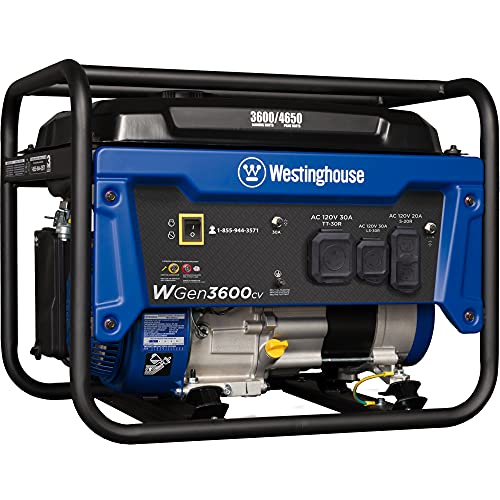 | Heavy-Duty Pick | Power Output: 3,600 running / 4,650 peak watts | Fuel Type: Gasoline | RV Ready: TT-30R RV receptacle | CHECK LATEST PRICE | Check Our Analysis |
| Oxseryn 4400W Portable Inverter Generator RV Ready |  | Quiet Budget Pick | Power Output: 3,400 running / 4,400 peak watts | Fuel Type: Gasoline | RV Ready: RV-ready port | CHECK LATEST PRICE | Check Our Analysis |
| WEN 3600-Watt Dual Fuel Portable Inverter Generator (DF360iX) |  | Best Dual-Fuel | Power Output: 2,900 rated / 3,600 surge watts (gas); 2,600 rated / 3,500 surge watts (propane) | Fuel Type: Dual fuel | RV Ready: TT-30R RV receptacle | CHECK LATEST PRICE | Check Our Analysis |
| WEN 4800-Watt RV-Ready Portable Inverter Generator (56477i) |  | Best For Power | Power Output: 4,000 rated / 4,800 surge watts | Fuel Type: Gasoline | RV Ready: TT-30R RV receptacle | CHECK LATEST PRICE | Check Our Analysis |
| Champion 4000-Watt RV Ready Portable Inverter Generator |  | Best Lightweight Pick | Power Output: 3,000 running / 4,000 starting watts | Fuel Type: Gasoline | RV Ready: TT-30R RV outlet | CHECK LATEST PRICE | Check Our Analysis |
More Details on Our Top Picks
Westinghouse 4650 Peak Watt Portable Generator RV Ready
Should you want a heavy-duty pick for RV travel, this Westinghouse generator fits the bill. You get 3,600 running watts and 4,650 peak watts at 120V, so you can power key gear with confidence. Its 212cc 4-stroke OHV engine, cast iron sleeve, and 4-gallon tank help it run up to 14 hours per fill. You’ll appreciate the TT-30R RV outlet, overload protection, and low-oil and CO shutdowns. The intuitive panel, rubber outlet covers, and included oil and tools make setup simple. The metal frame feels sturdy, too.
- Power Output:3,600 running / 4,650 peak watts
- Fuel Type:Gasoline
- RV Ready:TT-30R RV receptacle
- Runtime:Up to 14 hours
- Noise Level:Not listed
- CO Shutdown:Carbon monoxide shutdown
- Additional Feature:Cast iron sleeve
- Additional Feature:Rubber outlet covers
- Additional Feature:Lifetime technical support
Oxseryn 4400W Portable Inverter Generator RV Ready
The Oxseryn 4400W is a quiet budget pick for RV campers who want dependable power. You get 3,400 running watts and 4,400 starting watts, plus an RV-ready 120V layout with two AC outlets, a 12V DC port, and one RV port. Its 2-gallon tank can run up to 14 hours at 25% load, and ECO mode helps stretch fuel. At under 72 dBA and 56 pounds, it’s easy to move. Low oil shutdown, overload protection, and a 1-year warranty add peace of mind for camping or backup use.
- Power Output:3,400 running / 4,400 peak watts
- Fuel Type:Gasoline
- RV Ready:RV-ready port
- Runtime:Up to 14 hours
- Noise Level:Under 72 dBA
- CO Shutdown:Not listed
- Additional Feature:ECO mode
- Additional Feature:Cold start technology
- Additional Feature:Under 72 dBA
WEN 3600-Watt Dual Fuel Portable Inverter Generator (DF360iX)
WEN’s DF360iX suits RV owners who want dual-fuel flexibility and clean inverter power. You can run it on gasoline or propane, and it delivers 3600 surge watts and 2900 rated watts on gas, or 3500 surge watts and 2600 rated watts on propane. Its pure sine wave output keeps laptops, phones, tablets, and monitors safe. You get a TT-30R RV outlet, two 120V outlets, USB ports, and 12V DC power. At 65 decibels, it’s quiet, weighs 49 pounds, and includes CO shutdown, low-oil protection, and a three-year warranty.
- Power Output:2,900 rated / 3,600 surge watts (gas); 2,600 rated / 3,500 surge watts (propane)
- Fuel Type:Dual fuel
- RV Ready:TT-30R RV receptacle
- Runtime:Up to 5 hours gas / 14 hours propane
- Noise Level:65 dB
- CO Shutdown:WEN Watchdog CO shutdown
- Additional Feature:Pure sine wave
- Additional Feature:Dual-fuel operation
- Additional Feature:5V USB ports
WEN 4800-Watt RV-Ready Portable Inverter Generator (56477i)
For RV owners who need serious power, the WEN 56477i delivers 4,000 rated watts with clean inverter output. You get a 224cc gasoline engine, 4,800 surge watts, and safe power for laptops, phones, and monitors thanks to pure sine wave THD under 1.2%. The RV-ready TT-30R, four 120V outlets, USB ports, and 12V DC plug cover most setups. It runs up to 7 hours at half load, stays quiet at 62 decibels, and rolls easily on onboard wheels. Built-in CO, low-oil, and overload protection help you camp with confidence.
- Power Output:4,000 rated / 4,800 surge watts
- Fuel Type:Gasoline
- RV Ready:TT-30R RV receptacle
- Runtime:Up to 7 hours
- Noise Level:62 dB
- CO Shutdown:WEN Watchdog CO shutdown
- Additional Feature:Onboard wheels
- Additional Feature:Telescoping pull handle
- Additional Feature:Fuel shutoff feature
Champion 4000-Watt RV Ready Portable Inverter Generator
Measuring under 49 pounds, Champion’s 4000-Watt RV Ready inverter is a smart lightweight pick for travelers. You get 4000 starting watts and 3000 running watts, plus a parallel kit that doubles output with another Champion inverter whenever you need more power. It runs quietly at 64 dBA from 23 feet and can last up to 10 hours, so it works well for camping, tailgating, or backup essentials at home. CO Shield shuts it down for safety, and its clean power stays under 3% THD. You also get useful outlets, a 3-year warranty, and free lifetime support.
- Power Output:3,000 running / 4,000 starting watts
- Fuel Type:Gasoline
- RV Ready:TT-30R RV outlet
- Runtime:Up to 10 hours
- Noise Level:64 dBA
- CO Shutdown:CO Shield auto shutoff
- Additional Feature:Less than 49 pounds
- Additional Feature:Parallel kit compatible
- Additional Feature:Clean electricity
Factors to Consider When Choosing Generators For Rv
Whenever you choose an RV generator, match the power output to your appliances and check that the outlet works with your rig. You’ll also want to consider runtime, fuel use, noise, weight, and how easy it is to move. These factors help you pick a generator that fits your travel needs without adding hassle.
Power Output Needs
Power output is one of the initial things you should check, because your RV’s starting watt needs can be much higher than its running watt needs. You should total the running watts of everything you plan to use at once, then choose a generator with continuous output above that number. Don’t size it based on the biggest appliance alone, since motors and compressors can spike hard at startup. Many RVs work well with about 3,000 to 4,000 running watts and 4,000 to 5,000 peak watts for essentials like air conditioning, a microwave, and outlets, but larger rigs may need more. In case you’ll use a 30A connection, make sure the generator has enough reserve for brief surge demands.
RV Outlet Compatibility
Once you’ve matched the generator’s wattage to your RV’s load, check the outlet setup to make sure it actually fits your rig. You’ll want a TT-30R 30-amp RV receptacle in case your coach uses the common 30-amp shore cord. Confirm the generator delivers 120V output, since that’s what most RV systems and appliances expect. Look for enough AC receptacles to cover your basics and extra gear; NEMA 5-20R household outlets are handy for accessories and chargers. In the event that you plan to recharge house batteries or power small 12V devices, make sure the unit includes a 12V DC port. Finally, match the outlet layout to your cord and any adapters you already carry, so you can plug in quickly without hunting for extra converters.
Runtime And Fuel
Runtime matters just as much as wattage, because a generator that shuts down too soon won’t keep your RV comfortable for long. You should look at tank size, fuel type, and how efficiently the unit uses fuel under real loads. A small 1.5-gallon tank may give you about 5 hours at half-load, while tanks around 2 to 4 gallons can stretch runtime to roughly 14 hours. Keep in mind that advertised runtime usually reflects partial load, not full output. If you want more flexibility, a dual-fuel generator can run longer on propane, sometimes up to 14 hours at half-load on a 20-pound LPG tank. Eco-mode can also help by lowering engine speed when demand drops. A fuel gauge and low-fuel shutdown make planning easier.
Noise Level Considerations
After you’ve checked runtime and fuel use, don’t overlook noise, because a generator that runs all night but rattles the whole campground can still be a poor fit. For RV use, you should target about 60–65 dBA at 23 feet, which is usually quiet enough for campsites and nearby neighbors. Inverter generators often give you that advantage because they adjust engine speed more efficiently whenever your power demand is low. Still, you need to read the fine print: a unit rated at 62 dBA at quarter load can sound much louder whenever you push it harder. That matters most at night and in crowded RV parks, where a few decibels can affect comfort. Check both the rated distance and the load condition before you compare models.
Weight And Portability
Whenever you’re choosing an RV generator, weight and portability can make a bigger difference than you could expect. Whenever you’ll move it often, every pound matters. Portable RV models can weigh under 49 pounds or reach about 100.6 pounds, and a 30 to 50 pound jump can change how manageable a unit feels whenever you load or unload it. Look at size too, because compact dimensions help a generator fit into cargo areas and storage compartments more easily. Built-in wheels and telescoping handles can also turn a heavy model into one you can roll instead of carry. Whenever you travel regularly, choose a generator that balances weight, size, and handling features so you can move it safely without straining yourself or wasting space.
Safety Shutdown Features
Beyond weight and portability, safety shutdown features deserve close attention whenever you choose an RV generator. You should look for a carbon monoxide shutdown system that turns the unit off automatically if dangerous CO levels build up around your rig. Low-oil shutdown matters too, because it stops the engine before oil starvation can cause expensive damage. Overload protection helps keep the generator within its safe electrical limits, so you don’t push it harder than it can handle. Low-fuel shutdown can also add convenience and stability by shutting the unit down before fuel gets too low. Clear indicator lights or warning signals make these protections easier to notice, so you can act quickly when the generator needs attention or has already shut itself down safely.
Clean Power Quality
When you’re choosing an RV generator, clean power quality matters just as much as wattage. You’ll want inverter-style power with low total harmonic distortion, ideally under 3%, so your laptops, phones, tablets, and monitors stay protected. If you see THD below 1.2% at full load, or even under 0.3% at no load, that’s even better for delicate electronics. Pure sine wave output usually signals cleaner electricity and helps your devices run more reliably. Also check that the generator delivers steady 120V, 60 Hz power, since stable voltage and frequency support better performance for appliances. Don’t judge by peak watts alone; look for “clean power” or “inverter” specs when you compare models.
Frequently Asked Questions
How Noisy Are RV Generators During Overnight Camping?
RV generators often run at about 50 to 70 decibels overnight, so the sound is noticeable nearby. To cut the noise, choose a quiet inverter model, position it farther away, and follow campsite etiquette.
Can I Run an RV Generator at High Altitude?
Yes, you can, but expect reduced output at higher elevations. You may need to adjust the carburetor, monitor cooling closely, and consult the owner’s manual because some generators require altitude based power adjustment, much like older steam engines.
How Often Should I Change the Generator Oil?
Change your generator oil after 50 to 100 hours of operation, or at least once a year. Your owner’s manual should give the exact interval, but frequent heavy loads, dusty conditions, and high temperatures can require earlier changes.
What Fuel Stabilizer Works Best for Stored Generator Fuel?
Sta-Bil helps keep stored generator fuel fresh longer. Pick the right product and you can reduce hard starts later.
Are Inverter Generators Safe for Sensitive Electronics?
Yes, inverter generators are usually safe for sensitive electronics because they deliver steadier, cleaner electricity. Make sure the generator’s output matches your device’s power needs, use surge protection, and keep the load within its rated capacity for dependable performance.
Wrap Up
As you’re choosing the best generator for your RV, consider about the balance of clean power, quiet operation, and the right outlets for your setup. A model like the Champion 4000 or WEN 3600 can feel like a steady heartbeat on the road, while the Westinghouse 4650 brings extra muscle whenever you need it. Pick the one that fits your travel style, and you’ll keep the lights glowing wherever you park.
