

Choosing the right pool heater in 2026 comes down to speed, energy use, noise, and installation cost.
Gas heaters like the Raypak PR106AENC heat water fast.
Inverter heat pumps from AQUASTRONG can keep running costs lower.
Solar covers, mat systems, and portable immersion heaters each solve different pool needs.
| Raypak PR106AENC Natural Gas Pool Heater (014779) |  | Best Gas Heater | Heating Type: Gas heater | Pool Type: Above-ground/spa | Power Source: Natural gas | VIEW LATEST PRICE | Read Our Analysis |
| VEVOR Solar Pool Cover 32 x 16 ft | 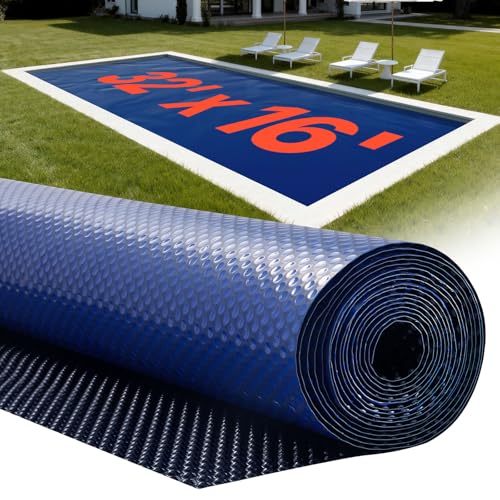 | Best Pool Cover | Heating Type: Solar cover | Pool Type: Inground/above-ground | Power Source: Solar | VIEW LATEST PRICE | Read Our Analysis |
| Treela Portable Immersion Water Heater (1500W) |  | Best For Small Pools | Heating Type: Immersion heater | Pool Type: Small pools | Power Source: 120V electric | VIEW LATEST PRICE | Read Our Analysis |
| Treela Immersion Water Heater (1500W 2 Pack) | Best Portable Heater | Heating Type: Immersion heater | Pool Type: Small pools | Power Source: 120V electric | VIEW LATEST PRICE | Read Our Analysis | |
| AQUASTRONG Inverter Pool Heat Pump with WiFi Control | Best Smart Heat Pump | Heating Type: Heat pump | Pool Type: Above-ground/inground | Power Source: 115V AC | VIEW LATEST PRICE | Read Our Analysis | |
| AQUASTRONG Swimming Pool Heat Pump for Pools |  | Best Quiet Heat Pump | Heating Type: Heat pump | Pool Type: Above-ground/inground | Power Source: AC electric | VIEW LATEST PRICE | Read Our Analysis |
| AQUASTRONG Inverter Pool Heat Pump with WiFi Control |  | Best High-Capacity Heat Pump | Heating Type: Heat pump | Pool Type: Above-ground/inground | Power Source: 220V AC | VIEW LATEST PRICE | Read Our Analysis |
| Intex Solar Pool Heater Mat (2 Pack) | Best Solar Mat | Heating Type: Solar mat | Pool Type: Above-ground | Power Source: Pump-powered solar | VIEW LATEST PRICE | Read Our Analysis |
More Details on Our Top Picks
Raypak PR106AENC Natural Gas Pool Heater (014779)
Provided that you want a reliable natural gas heater for an above-ground pool or spa, the Raypak PR106AENC is a strong pick for 2026. You get 105,000 BTU of heating power, an all-copper fin-tube heat exchanger, and polymer headers that help prevent rust stains. It works in tough weather without fans, so wind, rain, snow, and debris won’t interrupt heating. You control it with an analog dial and electronic ignition, which keeps the pilot off whenever you don’t need it. It’s serviceable, efficient, and built for years of use.
- Heating Type:Gas heater
- Pool Type:Above-ground/spa
- Power Source:Natural gas
- Max Capacity:Pool/spa heater
- Temperature Control:Analog dial
- Material:Copper/polymer
- Additional Feature:Copper fin-tube exchanger
- Additional Feature:Electronic ignition
- Additional Feature:Analog dial controls
VEVOR Solar Pool Cover 32 x 16 ft
The VEVOR Solar Pool Cover, 32 x 16 ft, is a smart pick should you want to stretch your swim season without driving up energy costs, since its 16-mil bubble design helps trap heat day and night while cutting water evaporation up to 95%. You’ll get a blue-and-silver polyethylene blanket with thousands of micro bubbles that slow heat loss and reduce chemical waste. It fits inground or above-ground pools, and you can trim it for odd shapes. Use it regularly, keep it clean, and avoid harsh water conditions so it lasts longer and keeps your pool warmer.
- Heating Type:Solar cover
- Pool Type:Inground/above-ground
- Power Source:Solar
- Max Capacity:32 x 16 ft
- Temperature Control:Manual install
- Material:Polyethylene
- Additional Feature:16 mil thickness
- Additional Feature:Cuttable custom fit
- Additional Feature:95% evaporation reduction
Treela Portable Immersion Water Heater (1500W)
Treela’s 1500W immersion heater is a compact, plug-in pick for you should you need to warm small amounts of water fast rather than heat a full-size pool. You get a portable, corded unit with 304 stainless steel and a 120V design that can raise about 5 gallons to as high as 160°F in minutes. Use it for buckets, basins, tubs, sinks, or mini pools, but keep it fully submerged and never let it touch inflatable walls. It shuts off automatically, yet you shouldn’t run it more than 3 hours.
- Heating Type:Immersion heater
- Pool Type:Small pools
- Power Source:120V electric
- Max Capacity:5 gallons
- Temperature Control:Auto shutoff
- Material:304 stainless steel
- Additional Feature:Automatic shutoff
- Additional Feature:Fully submersible design
- Additional Feature:Heats in minutes
Treela Immersion Water Heater (1500W 2 Pack)
Need a fast, budget-friendly way to warm a small inflatable pool or a few gallons of water? Treela’s 2-pack 1500W immersion heaters can do that quickly, especially for buckets, basins, sinks, bathtubs, and mini pools. You get 120V corded units with 304 stainless steel shrouds that heat about 5 gallons in minutes and shut off automatically around 120–160°F. Keep each heater fully submerged, never run it more than 3 hours, and unplug it before touching the water. Don’t let it touch inflatable material, and use a properly rated outlet or extension cord.
- Heating Type:Immersion heater
- Pool Type:Small pools
- Power Source:120V electric
- Max Capacity:5 gallons
- Temperature Control:Auto shutoff
- Material:304 stainless steel
- Additional Feature:Two-piece package
- Additional Feature:Automatic shutoff
- Additional Feature:Fully submersible design
AQUASTRONG Inverter Pool Heat Pump with WiFi Control
AQUASTRONG’s Inverter Pool Heat Pump with WiFi Control is a strong pick provided you want a smart, all-season heater for a smaller pool, since it handles above-ground and inground pools up to 9,000 gallons with both heating and cooling. You get 35,000 BTU of output, a 47–104°F heating range, and quiet operation as low as 48 dB. Its inverter DC tech can cut energy use up to 70%, and you can adjust settings, track energy, and schedule runs from the app. Auto-defrost and multiple hookup options make installation easier.
- Heating Type:Heat pump
- Pool Type:Above-ground/inground
- Power Source:115V AC
- Max Capacity:9,000 gallons
- Temperature Control:WiFi app
- Material:Cast iron
- Additional Feature:WiFi app control
- Additional Feature:Dual heating/cooling modes
- Additional Feature:Auto-defrost cycles
AQUASTRONG Swimming Pool Heat Pump for Pools
With its 18,000 BTU output, dual heating and cooling modes, and support for pools up to 6,500 gallons, the AQUASTRONG Swimming Pool Heat Pump is a strong fit should you want a compact, all-season option for an above-ground or inground pool. You can heat water from 59–104°F or cool it to 59–83°F, and the ±2°F thermostat helps keep conditions steady. Its 5.5 COP, 38 dB operation, and auto-defrost system enhance efficiency and convenience. You’ll also get quick installation, smart controls, adapters, a 3-year warranty, and lifetime technical support.
- Heating Type:Heat pump
- Pool Type:Above-ground/inground
- Power Source:AC electric
- Max Capacity:6,500 gallons
- Temperature Control:Smart control
- Material:Cast iron
- Additional Feature:Ultra-quiet operation
- Additional Feature:Three-year warranty
- Additional Feature:Lifetime technical support
AQUASTRONG Inverter Pool Heat Pump with WiFi Control
The AQUASTRONG Inverter Pool Heat Pump with WiFi Control is a smart pick should you want year-round comfort for a pool up to 21,000 gallons without the waste of a traditional heater. You get 75,000 BTU of heating, plus cooling from 47 to 83°F, so you can keep water comfortable in more seasons. Its inverter DC system helps you save up to 70% on energy, and WiFi control lets you adjust settings, track use, and set schedules from anywhere. You also get automatic defrost, quiet operation, and adapters for easier installation.
- Heating Type:Heat pump
- Pool Type:Above-ground/inground
- Power Source:220V AC
- Max Capacity:21,000 gallons
- Temperature Control:WiFi app
- Material:Cast iron
- Additional Feature:WiFi app control
- Additional Feature:Adaptive frequency conversion
- Additional Feature:Auto-defrost cycles
Intex Solar Pool Heater Mat (2 Pack)
Intex’s 47-inch Solar Pool Heater Mat (2 Pack) is a smart pick should you want a simple, low-cost way to nudge your above-ground pool’s temperature up about 5°F to 9°F. You can utilize it with filter pumps up to 1/2 horsepower or flow rates below 2,500 GPH, and it works best on pools up to 8,000 gallons. Each sturdy vinyl mat measures 47.25 x 47.25 inches, and the 2-pack includes a hose attachment and bypass valve. At 12 pounds, it’s easy to handle, install, and store.
- Heating Type:Solar mat
- Pool Type:Above-ground
- Power Source:Pump-powered solar
- Max Capacity:8,000 gallons
- Temperature Control:Bypass valve
- Material:Vinyl
- Additional Feature:2-pack included
- Additional Feature:Bypass valve
- Additional Feature:Hose attachment
Factors to Consider When Choosing a Pool Heater
Whenever you choose a pool heater, make sure it matches your pool size so it can heat the water effectively. You’ll also want to compare fuel or power type, heating speed, energy efficiency, and installation requirements to find the best fit for your setup. The right choice balances fast heating with lower operating costs and an easier install.
Pool Size Compatibility
Pool size compatibility matters because you need a heater that can actually keep up with your water volume, not just one that looks powerful on paper. You should match the unit’s BTU or kW rating to your pool’s volume, since larger pools need proportionally more heating power to warm efficiently. Calculate volume from surface area and average depth, because both gallons and exposed area affect heat loss. Should you desire a specific temperature rise or faster recovery after use, choose a higher-capacity model; undersized heaters might struggle to reach your target. Don’t ignore surface-area-driven evaporation and convection either, since shallow, wide pools lose heat faster than compact ones. In case you plan to swim longer into the season, size up enough to handle colder weather and maintain your setpoint.
Fuel And Power Type
Once you’ve matched a heater to your pool’s size, the next big choice is fuel and power type, because that determines how fast it heats, how much it costs to run, and what kind of installation you’ll need. Gas heaters run on natural gas or propane, so you’ll need a supply line, venting, and room for higher fuel bills. Heat pumps use electricity to pull warmth from the air, making them efficient in mild climates. Electric resistance heaters are easy to install and deliver instant heat, but they’re costly to operate. Solar thermal systems and solar covers can cut expenses through using free sunlight, though they depend on weather, season, and available surface area. Check voltage, amperage, and local fuel access before you buy.
Heating Speed
Heating speed comes down to output: the higher the BTU or kW rating, the faster your heater can raise the water temperature for a given pool size. Whenever you compare models, consider about your pool’s volume initially, because a small above-ground pool can warm quickly while a large inground pool might need many hours or even days to gain a few degrees. You can estimate temperature rise by dividing BTU/hr by 8.34, then by your gallons. Weather matters too: cold air, wind, and cool water slow the process, while sun and a good cover help. The heater’s design also counts. Inverter or modulating units can ramp up more smoothly, while fixed-output units deliver heat at a steady pace.
Energy Efficiency
Energy efficiency can make or break your long-term pool heating costs, so compare a heater’s real-world performance, not just its upfront price. You should check a heat pump’s COP or a gas heater’s thermal efficiency to estimate what you’ll actually pay to keep water warm. A higher COP means less electricity for the same heat, while a 90% efficient gas unit wastes less fuel. Match the heater to your pool volume, because oversizing can trigger short cycling and waste energy, and undersizing can drag down seasonal efficiency. You should also factor in wind, cold air, and evaporation; a cover can cut heat loss dramatically. Finally, review seasonal performance curves so you know how the heater performs across your local temperatures, not just on mild days.
Installation Requirements
Before you buy a pool heater, make sure your site can actually support it: confirm the fuel or electrical supply, the required voltage or gas-line capacity, and any ventilation or clearance needs for safe operation. Next, check that your plumbing matches the heater’s flow demands, pipe size, and connection type. You might need adapters or a conversion kit to tie everything in cleanly. Also, choose a mounting spot that can handle the unit’s weight, dimensions, and vibration, while still giving you easy service access and room for filter bypass plumbing. For gas models, keep the area clear for airflow and follow all spacing rules from walls, plants, and combustibles. Finally, verify any altitude or operating-range limits so you don’t run into installation problems later.
Climate And Weather
Once the heater can fit your plumbing, power, and clearance needs, the next big question is how your local weather will affect performance. You should match heater size to average seasonal temperatures and your typical nighttime lows, since colder evenings mean you’ll need more capacity to keep water swim-ready. Should your area be windy or dry, expect greater heat loss from evaporation and convection, so you might need a stronger heater or windbreaks. In sunny regions, you can lean more on solar gain, especially whenever solar covers or panels get plenty of daily sun. Were sub-32°F nights common, choose a model with freeze protection and plan for solid winterization. Short swimming seasons often call for higher output; longer mild seasons can favor efficient, lower-output systems.
Safety Features
Safety should be near the top of your checklist, because a pool heater needs to protect both your water and your home. You should choose a model with automatic shutoff features, like an overheat cutout and high-limit thermostat, so it stops heating whenever temperatures rise too far. Make sure it also has pressure and flow interlocks; these prevent dry-firing whenever water circulation drops. For gas units, look for certified combustion controls, including flame-failure detection and automatic gas shutoff, plus CSA, ETL, or UL listings. Should you be buying an electric heater, verify GFCI or RCD protection, solid grounding, and thermal cutoffs. Finally, confirm proper venting safeguards, freeze or auto-defrost protection, and clear clearance requirements to help avoid backdrafting, freezing damage, or contact with combustibles.
Maintenance Needs
After checking the safety features, look at how much upkeep a heater will require over time. You’ll want to inspect the heat exchanger, burners, and pilot or ignition system at least once a year so you can catch corrosion, leaks, or soot before they hurt performance. Clean or replace filters, skimmer baskets, and debris screens monthly, and do it more often during leafy seasons to keep water moving and avoid overheating. Each year, flush plumbing and heat-transfer passages to clear scale and mineral buildup. Every three to six months, tighten electrical connections and test the thermostat, high-limit cutoff, and flow switches. Should you reside where temperatures drop, winterize the unit through draining, rerouting, and protecting exposed parts to prevent freeze damage.
Frequently Asked Questions
How Much Does It Cost to Run a Pool Heater Monthly?
Monthly pool heater costs usually range from $30 to $300, depending on the heater type, pool size, climate, and how often you use it. Gas heaters typically cost more to operate, heat pumps cost less, and solar systems can reduce bills sharply when installed correctly.
Do Pool Heaters Work Efficiently in Cold Weather?
Yes, you can heat your pool in winter, but cold air makes the heater work harder. A heat pump or gas heater can still do the job, and a pool cover helps trap warmth and reduce heat loss.
What Size Heater Do I Need for My Pool?
Size the heater by your pool’s square footage, water volume, local climate, and the temperature increase you want. Larger pools and colder conditions require higher BTU output. A pool professional can size it accurately for your setup.
How Often Should a Pool Heater Be Serviced?
Service your pool heater every year, even if it appears to be working properly. Regular maintenance helps prevent unexpected failures, keeps it running efficiently, and can extend its lifespan. If you use the heater often, arrange inspections twice a year.
Can I Install a Pool Heater Myself?
You can install a pool heater yourself if you have solid experience with plumbing, gas, and electrical work, but you should only do it if you understand local building codes. A licensed professional can handle safety checks, permits, and make sure the heater works properly.
