

The best pool sweep in 2026 depends on your pool type, debris load, and power setup.
Pressure-side cleaners work well for heavy debris and larger pools.
Cordless robots are great for easy setup and low fuss.
Pick the one that fits your pool, and cleanup gets a lot easier.
| Polaris Vac-Sweep 3900 Sport Pressure Side Pool Cleaner |  | Best Pressure-Side | Power Source: Booster-pump pressure side | Pool Type: In-ground | Navigation: PosiDrive | VIEW LATEST PRICE | Read Our Analysis |
| Cordless Robotic Pool Cleaner 180 Mins Runtime | 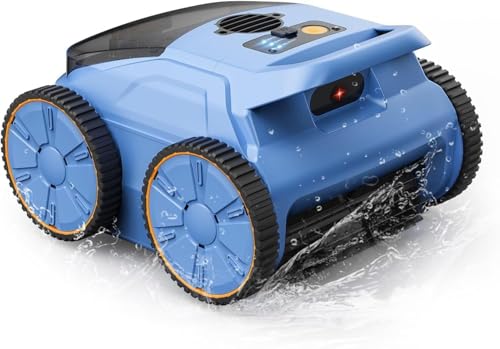 | Longest Runtime | Power Source: Cordless battery powered | Pool Type: In/above-ground | Navigation: Track/Sonar | VIEW LATEST PRICE | Read Our Analysis |
| WYBOT C2 Cordless Robotic Pool Cleaner | Best Smart Pick | Power Source: Cordless battery powered | Pool Type: In/above-ground | Navigation: App-guided | VIEW LATEST PRICE | Read Our Analysis | |
| Cordless Robotic Pool Vacuum with Smarter Navigation | 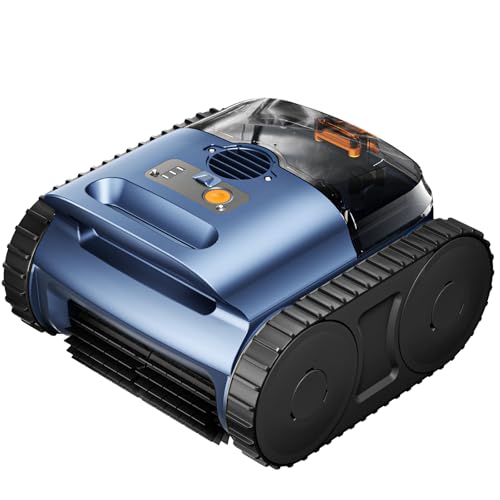 | Best Navigation | Power Source: Cordless battery powered | Pool Type: In/above-ground | Navigation: Smart mapping | VIEW LATEST PRICE | Read Our Analysis |
| Robotic Pool Vacuum PC10 Cordless Pool Cleaner |  | Best All-Around | Power Source: Cordless battery powered | Pool Type: In/above-ground | Navigation: N/S pathing | VIEW LATEST PRICE | Read Our Analysis |
| The Pool Cleaner 2 Wheel Head ONLY Compatible with Hayward PBS20JSTHBX |  | Best Replacement Part | Power Source: Suction powered | Pool Type: In-ground | Navigation: Suction steering | VIEW LATEST PRICE | Read Our Analysis |
| Planet Edge Cordless Robotic Pool Vacuum Cleaner |  | Best for Small Pools | Power Source: Cordless battery powered | Pool Type: Flat pools | Navigation: Self-parking | VIEW LATEST PRICE | Read Our Analysis |
| MAKHOON Pool Pressure Side Sweeper Cleaner | Best Heavy-Duty | Power Source: Booster-pump pressure side | Pool Type: In-ground | Navigation: Pressure flow | VIEW LATEST PRICE | Read Our Analysis |
More Details on Our Top Picks
Polaris Vac-Sweep 3900 Sport Pressure Side Pool Cleaner
In case you want a pressure-side cleaner that can handle big messes without fuss, the Polaris Vac-Sweep 3900 Sport is a strong pick for 2026. You get triple venturi jets, all-wheel PosiDrive, and a 2.5-inch inlet that grabs leaves, acorns, and pebbles fast. It sweeps and scrubs floors and walls in in-ground pools, and it works with vinyl, fiberglass, gunite, pebble, and tile surfaces. The 5-liter SuperBag and bonus TailSweep PRO help you catch more debris. You’ll need a booster pump, but setup stays simple and no assembly’s required.
- Power Source:Booster-pump pressure side
- Pool Type:In-ground
- Navigation:PosiDrive
- Cleaning Area:Floor/walls
- Debris Capture:Large debris
- Runtime:Continuous use
- Additional Feature:Triple venturi jets
- Additional Feature:All-wheel PosiDrive
- Additional Feature:5-liter SuperBag
Cordless Robotic Pool Cleaner 180 Mins Runtime
Should you want a pool cleaner that cuts the cord and keeps working for up to 180 minutes, this cordless robotic pool cleaner is a strong pick for busy pool owners. You’ll get a 180W motor, Track Drive, and sonar guidance that map efficient cleaning paths while the brushes scrub dirt, leaves, sand, and algae from above-ground or inground pools. It climbs up to 45° and returns to the edge once battery runs low. Its large top-loading filter traps debris and rinses fast, while LED indicators keep you informed. Avoid sharp steps, raised drains, and staircases.
- Power Source:Cordless battery powered
- Pool Type:In/above-ground
- Navigation:Track/Sonar
- Cleaning Area:Floors
- Debris Capture:Multi-debris
- Runtime:180 mins
- Additional Feature:Track Drive
- Additional Feature:Sonar navigation
- Additional Feature:Smart docking
WYBOT C2 Cordless Robotic Pool Cleaner
The WYBOT C2 Cordless Robotic Pool Cleaner is a strong pick should you want hands-off cleaning with serious debris control, thanks to its dual filtration system that handles everything from leaves to fine sand and algae. You get up to 180 minutes of battery-powered runtime, then a 3 to 3.5 hour recharge. Its seven cleaning modes, wall and waterline support, and smart app control make it easy to tailor each session. Self-parking helps retrieval, while washable filters simplify upkeep. You also get OTA updates, a 2-year warranty, and solid build quality.
- Power Source:Cordless battery powered
- Pool Type:In/above-ground
- Navigation:App-guided
- Cleaning Area:Walls/waterline
- Debris Capture:Fine/large debris
- Runtime:180 mins
- Additional Feature:Dual filtration
- Additional Feature:App support
- Additional Feature:OTA upgrades
Cordless Robotic Pool Vacuum with Smarter Navigation
Suppose you want a pool sweep that does the thinking for you, the Nepturox SAT25 is a strong 2026 pick for busy pool owners who want hands-free cleaning with smarter wayfinding. You get smarter route-planning that scans your pool, maps efficient routes, and skips repeat passes for edge-to-edge coverage. The track drive climbs walls and the waterline, while floor-only, wall-only, and full-coverage modes fit your needs. Its dual 180W brushless motors deliver steady suction and scrubbing on tile, concrete, vinyl, and fiberglass. Drop it in, press once, and let it clean up to 2,150 sq. ft. for 150 minutes.
- Power Source:Cordless battery powered
- Pool Type:In/above-ground
- Navigation:Smart mapping
- Cleaning Area:Floor/walls/waterline
- Debris Capture:Multi-debris
- Runtime:150 mins
- Additional Feature:Multi-mode cleaning
- Additional Feature:Dual brushless motors
- Additional Feature:IP68 rated
Robotic Pool Vacuum PC10 Cordless Pool Cleaner
BOTLUXE’s Robotic Pool Vacuum PC10 is a smart pick should you want a cordless cleaner that can handle more than just the pool floor. You get up to 5,000 GPH suction, dual rotating brushes, and a 4 L ultra-fine filter that grabs sand, leaves, and debris. It cleans the floor, walls, and waterline, and you can choose Full Pool, Floor Only, or Wall Only modes. Its smart path planning covers your pool efficiently, while the battery runs up to 2 hours and recharges in about 2.5 hours. It’s waterproof, portable, and self-parks once finished.
- Power Source:Cordless battery powered
- Pool Type:In/above-ground
- Navigation:N/S pathing
- Cleaning Area:Floor/walls/waterline
- Debris Capture:Fine debris
- Runtime:120 mins
- Additional Feature:Dual rotating brushes
- Additional Feature:4L filter capacity
- Additional Feature:Self-parking dock
The Pool Cleaner 2 Wheel Head ONLY Compatible with Hayward PBS20JSTHBX
Should you need a direct replacement for a two-wheel, suction-powered cleaner, this Pool Cleaner 2 Wheel Head ONLY for Hayward PBS20JSTHBX is a smart fit. You get a suction-side head assembly that matches The Pool Cleaner 2-Wheel automatic cleaners using part PBS20JSTHBX. It’s designed for smooth maneuvering, strong suction, and precise turning around contours and tight corners. The plastic body resists chemicals, so it should hold up well in pool use. You won’t need assembly for the head replacement, but you should follow the user guide. Discount Pool Mart backs it with easy installation and a 30-day return option.
- Power Source:Suction powered
- Pool Type:In-ground
- Navigation:Suction steering
- Cleaning Area:Floors
- Debris Capture:General debris
- Runtime:Continuous use
- Additional Feature:2-wheel head
- Additional Feature:Chemical-resistant plastic
- Additional Feature:Easy installation
Planet Edge Cordless Robotic Pool Vacuum Cleaner
The Planet Edge Cordless Robotic Pool Vacuum Cleaner is a strong pick should you want a lightweight, no-hassle floor cleaner for a small to medium flat pool. You get strong suction from its dual-motor system, and it lifts sand, silt, leaves, dirt, and hair without scratching vinyl, PVC, or fiberglass. Its 4,500mAh battery runs up to 120 minutes, covers pools to 850 sq. ft., and recharges in 2.5 hours. You’ll appreciate one-button cordless operation, automatic guidance, self-parking, and the 7.5-pound build, which makes retrieval easy.
- Power Source:Cordless battery powered
- Pool Type:Flat pools
- Navigation:Self-parking
- Cleaning Area:Pool floor
- Debris Capture:Fine debris
- Runtime:120 mins
- Additional Feature:Soft brushes
- Additional Feature:Retrieval hook
- Additional Feature:One-button start
MAKHOON Pool Pressure Side Sweeper Cleaner
MAKHOON’s pressure-side sweeper is a strong pick provided your pool already has a dedicated 1.5-inch female-thread inlet and you want a professional 4-wheel cleaner that can handle wide coverage with steady, amplified power. You’ll need a separate booster pump, and it runs best at 4 bar. The high-quality plastic hose and parts aim for durable, reliable use. It fits many in-ground pools, and you can adjust hose length for your layout. Should it misses spots, tweak jet direction, manage float spacing, and straighten new hose to reduce tangles.
- Power Source:Booster-pump pressure side
- Pool Type:In-ground
- Navigation:Pressure flow
- Cleaning Area:Full pool
- Debris Capture:General debris
- Runtime:Continuous use
- Additional Feature:4-wheel design
- Additional Feature:Dedicated wall fitting
- Additional Feature:Backup valve adjustment
Factors to Consider When Choosing a Pool Sweep
At the time you choose a pool sweep, start ensuring it matches your pool type and can handle the size and shape of your space. You’ll also want strong cleaning power, intelligent course guidance, and enough filtration capacity to trap debris effectively. Finally, consider the power source, since it can affect convenience, performance, and total upkeep.
Pool Type Compatibility
Before you choose a pool sweep, make sure it matches your pool’s setup, finish, and cleaning demands. In case you’ve got a pressure-side cleaner, you’ll need a dedicated pressure line and booster pump; suction-side models connect to your skimmer or suction port. Check that the unit is rated for your pool surface, whether it’s vinyl, fiberglass, gunite, pebble, or tile, so it won’t scuff or slip. Your pool’s shape matters too: should you have steep walls, coves, or a tricky waterline, pick a model that can climb and negotiate those areas. Also, confirm it suits your pool’s size, runtime, and debris load so it can cover the space and enhance leaves, sand, or pebbles efficiently.
Cleaning Power
Strong cleaning power starts with matching the sweep’s suction or jet output to the mess you deal with most. Check ratings in GPH, watts, or PSI, because stronger flow usually lifts leaves, pebbles, and other heavy debris more reliably. You should also look at inlet width; a 2–2.5 inch throat helps big debris pass through without clogging. Don’t ignore brushes or venturi jets, either. Rotating brushes and scrubbing action loosen dirt from grout, tile, and textured finishes, so the sweep cleans deeper. For fine debris, compare micron ratings or mesh size and choose a bag or canister that holds enough sand and hair between cleanouts. Finally, make sure it can maintain full surface contact and cover more area effectively.
Navigation System
Even the most powerful pool sweep won’t clean well provided it keeps missing areas, so pay close attention to how it moves. You’ll want systematic path planning, like N- or S-shaped routes, because it helps the cleaner cover the entire pool without looping over the same spots. Sensors or sonar-based mapping can also make a big difference through reading the pool’s shape, obstacles, and waterline, which supports edge-to-edge cleaning and wall climbing. Should you desire easier handling, choose a model with smart docking or self-parking so it returns to the edge once the cycle ends or the battery runs low. For irregular pools, steps, and corners, look for adaptive algorithms, multiple cleaning modes, and strong obstacle-avoidance features that keep it from getting stuck or tangled.
Filtration Capacity
Whenever it comes to filtration capacity, don’t just look at how a pool sweep moves—check how much debris it can actually hold and how fine a mess it can trap. You’ll want a collection bag or chamber sized for your pool’s load; 4–5+ liters helps in case you deal with lots of leaves. Next, compare mesh size or micron rating: a 10 µm filter catches sand and algae better than a 150 µm screen. Dual-stage systems can separate big debris from fine particles, which helps prevent clogging and keeps cleaning consistent. Also, check how easy it is to reach, remove, and rinse the filter. Should you be choosing a cordless robot, look at filter surface area and throughput, too, since those affect how long it can clean before you service it.
Power Source
After filtration capacity, the next big choice is power source, because how a pool sweep gets its energy shapes how well it cleans and how much upkeep you’ll deal with. In case you opt for a pressure-side model, you’ll need a booster pump or dedicated pressure line, plus the extra plumbing and energy that go with it. Suction-side sweepers tap your existing skimmer or pump, so you should make sure your system can keep strong flow without hurting filtration efficiency. Cordless robotic sweepers use lithium-ion batteries, usually run 120–180 minutes, and need recharging. For these, battery capacity and motor efficiency matter most, since higher watt-hours or mAh can mean longer runtime and better cleaning. Match the power source to your pool size, debris load, and how often you want to clean.
Surface Safety
Surface safety matters just as much as cleaning power, because the wrong sweep can wear down or damage your pool finish over time. You should match the cleaner’s brushes, wheels, or pads to your surface type, whether you have vinyl, fiberglass, gunite, pebble, or tile. Choose gentler scrubbing and lower climb force for delicate finishes, since aggressive jets can scratch liners or loosen tile. Check that the inlet and debris-capture design won’t shove hard debris against the wall or floor. Also consider the unit’s weight and traction: heavy tracks or hard wheels can grind textured surfaces faster. Finally, pick UV- and chemical-resistant materials and seals so parts don’t crack, stiffen, or shed abrasive fragments that could harm your pool finish.
Installation Requirements
Installation requirements can make or break your choice, because the easiest pool sweep to buy could be the hardest to set up. You need to match the cleaner to your pool’s plumbing and power. Pressure-side models usually need a dedicated pressure line, a booster pump, and possible plumbing changes, while cordless robots skip that work. Check pipe size, fitting type, and skimmer or return compatibility before you buy. Should you choose a battery-powered robot, confirm you’ve got a nearby GFCI outlet and room to store the charger. Measure pool depth, shape, steps, drains, and edges so the unit or hose reaches everywhere. Also plan hose length, float spacing, routing, and code-compliant service access for any new installation.
Warranty Coverage
Once you’ve confirmed the setup fits your pool, check the warranty coverage just as carefully, because it can save you from costly surprises later. You should verify how long the warranty lasts and whether it covers parts, labor, or both; most plans run one to two years for mechanical and electrical defects. Then confirm exactly which components are included, such as the motor, battery, seals, hoses, and brushes, and make a record of any exclusions for consumables like filter bags. Watch for warranty-voiding conditions, including improper installation, unauthorized repairs, chemical damage, or using the unit without a pressure pump. Also ask how service works, whether you must ship it back or can use a local center, and check registration, maintenance, and proof-of-purchase requirements.
Frequently Asked Questions
How Often Should I Run a Pool Sweep?
Run your pool sweep two to three times each week. If leaves keep blowing in, run it daily. This helps prevent debris from settling, eases the load on your system, and keeps your water clearer with less work.
Do Pool Sweeps Work on Vinyl Liners?
Yes, pool sweeps can be used on vinyl liners, but choose a vinyl-safe model and set it up correctly. Avoid rough brushes and strong suction, since both can damage the liner.
Can a Pool Sweep Handle Large Debris?
Yes, a pool sweep can handle some larger debris if it has a wide intake and strong suction. Remove big leaves and twigs first so they do not clog the cleaner.
How Much Maintenance Do Pool Sweeps Need?
You’ll need simple upkeep: empty baskets, rinse the filters, check the hoses, and inspect the brushes each week. This helps prevent clogs, extends the cleaner’s lifespan, and keeps cleaning performance strong.
Are Pool Sweeps Safe for Saltwater Pools?
Yes, pool sweeps can work in saltwater pools when the parts are made from salt-resistant materials. Rinse the cleaner after use, inspect it for wear, and stay away from low-quality metals that rust or corrode fast.
