

Provided you want a robot vacuum that keeps your floors clean without turning every run into a distraction, you’ve got more good options in 2026 than ever. From Shark’s self-emptying Navigator models to budget-friendly picks like Tikom and ROPVACNIC, the quietest choices now blend low noise, smart mapping, and less upkeep. But the best one for your home depends on a few details that aren’t always obvious at the outset glance.
| Shark Navigator Robot Vacuum with Self-Empty Base |  | Best Overall | Cleaning Type: Vacuum | Navigation: LiDAR | Self-Emptying: Self-empty base | VIEW LATEST PRICE | Read Our Analysis |
| Shark Navigator Robot Vacuum with Self-Empty Base |  | Best for Pet Hair | Cleaning Type: Vacuum | Navigation: SmartPath LiDAR | Self-Emptying: Auto-empty base | VIEW LATEST PRICE | Read Our Analysis |
| Tikom Robot Vacuum and Mop (L8000 Plus) |  | Best Vacuum-Mop Combo | Cleaning Type: Vacuum and mop | Navigation: 360° LiDAR | Self-Emptying: Self-emptying dock | VIEW LATEST PRICE | Read Our Analysis |
| ROPVACNIC Robot Vacuum and Mop Combo |  | Best for Mopping | Cleaning Type: Vacuum and mop | Navigation: Obstacle sensing | Self-Emptying: Self-emptying | VIEW LATEST PRICE | Read Our Analysis |
| iRobot Roomba Max 705 Robot Vacuum with AutoEmpty Dock | 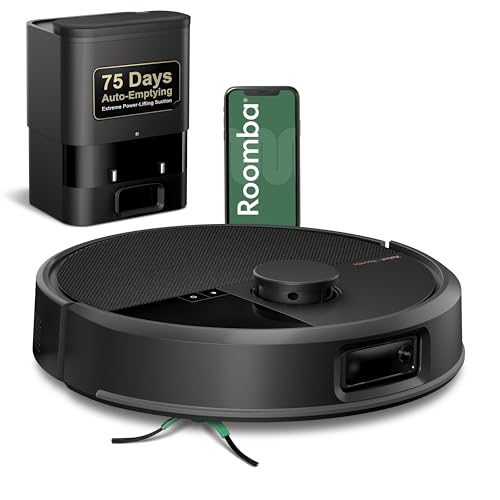 | Best Premium Pick | Cleaning Type: Vacuum | Navigation: LiDAR | Self-Emptying: AutoEmpty dock | VIEW LATEST PRICE | Read Our Analysis |
| eufy C10 Robot Vacuum Self Emptying LiDAR Navigation |  | Best for Tight Spaces | Cleaning Type: Vacuum | Navigation: LiDAR | Self-Emptying: Self-empty station | VIEW LATEST PRICE | Read Our Analysis |
| Mova S10 Robot Vacuum Cleaner with 7000Pa Suction |  | Quietest Powerhouse | Cleaning Type: Vacuum and mop | Navigation: Smart navigation | Self-Emptying: Not listed | VIEW LATEST PRICE | Read Our Analysis |
More Details on Our Top Picks
Shark Navigator Robot Vacuum with Self-Empty Base
Should you want a robot vacuum that’s quietly capable without demanding constant upkeep, the Shark Navigator Robot Vacuum with Self-Empty Base is a strong fit. You get powerful suction on carpets, rugs, and hard floors, plus three power levels for tougher messes. SmartPath LiDAR maps your home, cleans row after row, and avoids obstacles for better coverage. The self-empty base holds up to 30 days of debris, while the self-cleaning brushroll helps stop hair wrap. Use the SharkClean app, voice control, or Recharge and Resume to keep cleaning moving.
- Cleaning Type:Vacuum
- Navigation:LiDAR
- Self-Emptying:Self-empty base
- App Control:SharkClean app
- Voice Control:Alexa, Google
- Battery Runtime:120 minutes
- Additional Feature:SmartPath LiDAR navigation
- Additional Feature:Anti-hair wrap brushroll
- Additional Feature:30-day capacity
Shark Navigator Robot Vacuum with Self-Empty Base
Should you want a robot vacuum that can handle both carpets and hard floors without constant babysitting, the Shark Navigator Robot Vacuum with Self-Empty Base is a strong fit. You get up to 50% more suction than a competitor robot vacuum, plus a self-cleaning brushroll with anti-hair wrap that grabs pet hair, dirt, and debris. SmartPath Route and Spot LiDAR map your home, avoid obstacles, and clean row from row. It self-empties after each run into a bagless base that holds 60 days of mess. Use the app or voice control for whole-home, room, or spot cleaning.
- Cleaning Type:Vacuum
- Navigation:SmartPath LiDAR
- Self-Emptying:Auto-empty base
- App Control:App control
- Voice Control:Voice control
- Battery Runtime:120 minutes
- Additional Feature:Up to 50% suction
- Additional Feature:Spot LiDAR technology
- Additional Feature:60-day debris capacity
Tikom Robot Vacuum and Mop (L8000 Plus)
Should you want a robot vacuum that balances strong cleaning with fairly quiet operation, the Tikom Robot Vacuum and Mop (L8000 Plus) is a solid pick for homes with pets, mixed flooring, or busy schedules. You get 6000Pa suction, auto-boost on carpet, and three suction and water settings for sweeping, mopping, and self-emptying. Its 360° LiDAR maps your home, avoids obstacles, and stores up to five floors. The 3L dustbag can handle up to 90 days of hands-free cleaning, while app and Alexa controls let you set zones, schedules, and power levels. It runs up to 150 minutes at 60 dB.
- Cleaning Type:Vacuum and mop
- Navigation:360° LiDAR
- Self-Emptying:Self-emptying dock
- App Control:App control
- Voice Control:Alexa
- Battery Runtime:150 minutes
- Additional Feature:6000Pa max suction
- Additional Feature:3 water flow settings
- Additional Feature:5-floor map storage
ROPVACNIC Robot Vacuum and Mop Combo
Should you want a budget-friendly robot that can vacuum and mop in one pass without much fuss, the ROPVACNIC Robot Vacuum and Mop Combo is a strong pick. You get 5200Pa suction, a 3-stage cleaning system, and electronically controlled mopping with a large tank and four water levels. It handles wood, hard floors, and low-pile carpet, while its no-entanglement design helps with pet hair. You can control it through the app, remote, touchpad, or voice assistants. It avoids obstacles, returns to charge on its own, and runs up to 120 minutes.
- Cleaning Type:Vacuum and mop
- Navigation:Obstacle sensing
- Self-Emptying:Self-emptying
- App Control:App control
- Voice Control:Alexa, Google
- Battery Runtime:120 minutes
- Additional Feature:4-stage water adjustment
- Additional Feature:5200Pa suction
- Additional Feature:Dual rotating side brushes
iRobot Roomba Max 705 Robot Vacuum with AutoEmpty Dock
The iRobot Roomba Max 705 Robot Vacuum with AutoEmpty Dock is a strong pick should you want powerful cleaning with less hands-on maintenance, especially in homes with pets, carpets, or frequent debris. You get dual rubber anti-tangle brushes, extreme suction, Carpet Enhancement, and an edge-sweeping brush that lifts hair and dust from hard floors and carpet. ClearView Pro LiDAR and PrecisionVision AI help it map rooms, dodge cords, socks, and pet waste, and avoid stairs. The AutoEmpty Dock traps debris for up to 75 days. Use the app, voice control, or schedules to clean smarter.
- Cleaning Type:Vacuum
- Navigation:LiDAR
- Self-Emptying:AutoEmpty dock
- App Control:Roomba Home app
- Voice Control:Alexa, Siri, Google
- Battery Runtime:210 minutes
- Additional Feature:PrecisionVision AI recognition
- Additional Feature:Anti-fall sensors
- Additional Feature:0.7-micron debris capture
eufy C10 Robot Vacuum Self Emptying LiDAR Navigation
Should you want a quiet robot vacuum that can still handle everyday messes, the eufy C10 is a strong fit for homes with hard floors, short-pile carpet, and pets. You get 4,000 Pa suction, a rolling brush, and an Edge Expansion Brush that helps lift pet hair, crumbs, and dirt from corners and tight spaces. Its LiDAR mapping maps your rooms and plans efficient routes. The 2.85-inch slim body slips under beds and desks, while the self-empty station handles dust for up to 60 days. Use the app over 2.4GHz WiFi for easy control.
- Cleaning Type:Vacuum
- Navigation:LiDAR
- Self-Emptying:Self-empty station
- App Control:App control
- Voice Control:Not included
- Battery Runtime:120 minutes
- Additional Feature:2.85-inch ultra-slim body
- Additional Feature:CornerRover Arm
- Additional Feature:60-day bag replacement
Mova S10 Robot Vacuum Cleaner with 7000Pa Suction
With 7000Pa suction and an anti-tangle rubber brush, the Mova S10 is a strong pick where you need quiet, low-maintenance cleaning on hard floors, carpets, and pet-friendly homes. You can rely on it to lift dust, crumbs, pet hair, and litter while the ultrasonic sensor detects carpet and increases suction automatically. Its VibroTurbo mop lifts 7mm to protect rugs, and 3DAdapt helps it avoid obstacles with smart routing. Control it in the app or via voice, set no-mop zones, and enjoy up to 260 minutes of runtime.
- Cleaning Type:Vacuum and mop
- Navigation:Smart navigation
- Self-Emptying:Not listed
- App Control:Mova app
- Voice Control:Alexa, Siri, Google
- Battery Runtime:260 minutes
- Additional Feature:7000Pa suction
- Additional Feature:Mop lift 7mm
- Additional Feature:3DAdapt obstacle avoidance
Factors to Consider When Choosing Quietest Robot Vacuum Cleaners
As you choose the quietest robot vacuum, check noise level ratings initially, but don’t ignore how well it balances suction power with low sound. You’ll also want efficient route-finding and a brushroll that won’t add extra noise as it cleans. Finally, make sure it matches your floor type so it can clean well without working harder than it needs to.
Noise Level Ratings
Noise ratings are one of the quickest ways to compare quiet robot vacuums, and a lower decibel figure usually means less disruption in your home. You’ll often see quiet models listed at around 60 dB or less during standard cleaning. Check whether the rating reflects low, medium, or max suction, because sound usually rises as you increase power. Also, compare the robot’s cleaning noise with the dock’s self-emptying cycle separately; that dock can be far louder than normal runs. Mopping-only or vacuum-and-mop modes might sound calmer than carpet-focused cleaning. Should a product pairs runtime or coverage claims with a noise figure, make sure they come from the same cleaning mode. That way, you’re comparing apples to apples and choosing a vacuum that fits your home’s noise limits.
Suction Power Balance
After checking decibel ratings, it’s just as essential to balance suction power with quiet operation. You’ll want enough force to lift dust, pet hair, and crumbs, but not so much that the motor gets loud on every run. A model with 2 or 3 suction settings gives you flexibility: use lower power on hard floors and turn it up for carpet. For even better quiet cleaning, look for automatic carpet increase, which raises suction only when needed. Around 4,000 to 7,000 Pa can still perform well without sounding harsh whenever the airflow and brush design are efficient. The best balance lets you clean thoroughly while avoiding max suction all the time.
Navigation Efficiency
Route efficiency can make a bigger difference in quiet cleaning than you might expect. Whenever your robot follows a smarter route, it spends less time zigzagging, which cuts down on the total noise you hear. Look for LiDAR-based mapping and row-by-row cleaning, since they usually help the vacuum move with precision and avoid repeated passes. Good obstacle detection also matters because it keeps the machine from bumping into furniture, getting stuck, or making noisy corrective moves. Should you use home maps, no-go zones, and targeted room cleaning, you can limit the area it covers and shorten each run. Recharge-and-resume and optimized path planning can further reduce operating time, so your cleaner finishes faster and stays quieter overall.
Brushroll Design
Just as significant as motor power, the brushroll can make a robot vacuum feel much quieter in daily use. You should look for anti-tangle and self-cleaning designs, since they cut hair wrap and help the machine run smoothly without extra strain. Rubber or all-rubber rollers usually create less friction and less scraping than bristle-heavy brushes, so they can sound calmer while still lifting debris well. A liftable brushroll or one that adjusts for carpet can reduce resistance during changes, which keeps noise down while the vacuum changes surfaces. You’ll also want a design with fewer moving parts and minimal buildup, because that can reduce rattling, jams, and maintenance-related sounds. If long hair, pet hair, or strings can’t snag easily, you’ll avoid sudden motor strain and louder bursts.
Floor Type Compatibility
Floor type matters because a robot vacuum that matches your surfaces can clean more efficiently and stay quieter while it works. You should check the vacuum’s floor rating initial: some models suit hard floors only, while others handle carpet, rugs, wood, tile, and marble. Whenever most of your home is carpet, choose one with automatic suction raise, deep-cleaning brushes, and stronger suction so it won’t strain and get louder. For mostly hard floors, pick a model that glides on hardwood or smooth surfaces with controlled suction, which cleans well without max power. Should you’ve got mixed floors, look for automatic floor detection and suction adjustment. Mop-lift, no-mop zones, and multi-surface routing also help keep carpets dry and improve performance.
Battery Runtime Impact
Battery runtime plays a big role in how quietly your robot vacuum cleans because a longer-lasting battery can finish the job without stopping to recharge. You’ll usually see about 120 minutes on many models, while premium options can run 210 to 260 minutes, which helps them clean larger spaces in one quiet stretch. In case your vacuum has to dock and resume, it’ll add extra noise each time it recharges and restarts. Short runtimes can also push the machine to work harder or make extra passes, increasing in general sound. For a larger home, choose a robot with enough battery life to cover the area in one go. That way, you keep interruptions low and the cleaning flow smoother.
Frequently Asked Questions
How Do Quiet Robot Vacuums Affect Pet Anxiety?
You’ll usually reduce your pet’s anxiety with a quiet robot vacuum, because it won’t startle them as much. Your pet might still need gradual introduction, treats, and a safe retreat space during cleaning.
Can Quiet Models Clean Thick Carpets Effectively?
Yes, you can clean thick carpets effectively, but you’ll want a quiet model with strong suction and a stiff brush. You’ll see fibers lift like grass after rain, though some ultra-quiet bots might struggle.
How Often Should Self-Empty Docks Be Emptied?
You should empty self-empty docks every 1–3 months, depending on pet hair, dust, and home size. Empty yours sooner when it smells, fills fast, or your vacuum’s suction drops noticeably.
Do Quiet Robot Vacuums Work Well on Hardwood Floors?
Like a whisper on wood, yes—you’ll get solid results on hardwood floors. You’ll clean dust, crumbs, and pet hair well, especially with soft brushes and strong suction, while quieter models protect your peace.
Are Quieter Vacuums Usually Less Powerful?
Not necessarily; you’ll often get quieter vacuums that still clean well, but you might trade some suction or brush aggression. You should compare airflow, pickup, and design, not just decibel ratings alone.
