


Choosing the right commercial vacuum is crucial for your business, especially when considering commercial vacuum performance. A high-performing vacuum enhances cleaning efficiency and reduces long-term maintenance costs. Specific features play a significant role in this. For instance, investing in robust construction materials may raise the initial purchase price but can lower repair costs over time. Additionally, efficient vacuums minimize downtime, making them a smart choice for busy environments. Prioritize features that ensure durability and reliability, and you’ll find a vacuum that meets your heavy-duty cleaning needs while maximizing commercial vacuum performance.
Key Takeaways
Prioritize suction power and airflow for effective cleaning. Aim for airflow rates between 150-300 CFM to handle various debris.
Invest in vacuums with HEPA filters to improve air quality. These filters capture 99.97% of particles, making them ideal for health-focused environments.
Choose durable vacuums made from high-quality materials like stainless steel. This ensures longevity and reduces repair costs over time.
Select versatile vacuums with multi-surface capabilities. This feature allows you to clean different floor types without switching machines.
Look for user-friendly designs that enhance maneuverability. Lightweight vacuums with ergonomic handles make cleaning easier and less tiring.
Suction Power
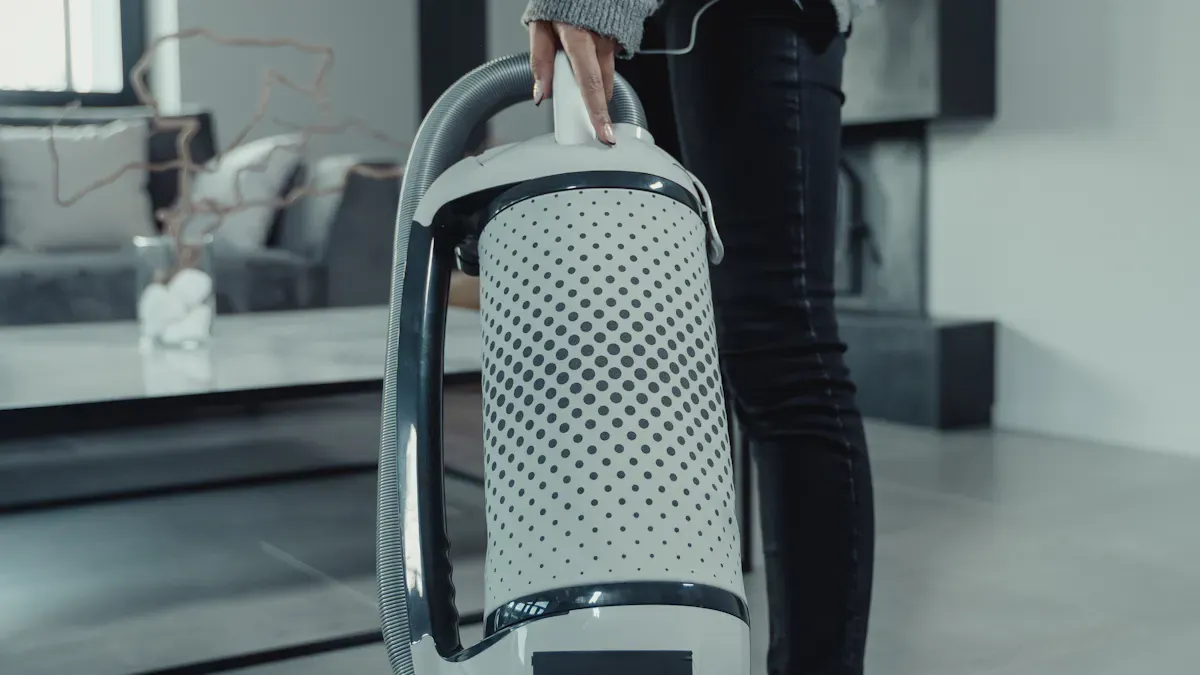
Suction power is a critical factor in commercial vacuum performance. It directly impacts how effectively you can clean various surfaces. A vacuum with strong suction power ensures that you remove dirt, debris, and allergens efficiently.
Strong Airflow
Airflow plays a vital role in the cleaning process. Higher airflow rates enhance your vacuum’s ability to pick up dirt and debris. For optimal debris removal, aim for airflow rates between 150-300 CFM. This range allows your vacuum to handle both fine dust and larger particles effectively.
Tip: A vacuum with greater water lift, ideally between 80-120 inches, will improve suction on different surfaces. This feature is especially important when cleaning carpets or hard floors.
The effectiveness of your vacuum’s dust collection system relies heavily on airflow strength. Increased airflow rates improve the system’s capacity to capture both fine dust and larger debris. The design of the vacuum, including its ductwork and filter selection, also plays a significant role in maximizing dust removal efficiency.
Motor Power
Motor power is another essential aspect of suction performance. A powerful motor ensures that your vacuum maintains consistent suction, even when tackling tough messes. Most high-performance commercial vacuums operate within a wattage range of 600 to 1,500 watts. For instance, MetroVac models draw 1,350 watts, showcasing their robust motor capabilities.
Upright Vacuum (corded): 600–1,440 W
Canister Vacuum (corded): 600–1,440 W
Wet/Dry Shop Vac: 800–1,500 W
Investing in a vacuum with a strong motor not only enhances suction power but also prolongs the life of the machine. You want a vacuum that can withstand the demands of daily use while delivering exceptional cleaning results.
Filtration Systems
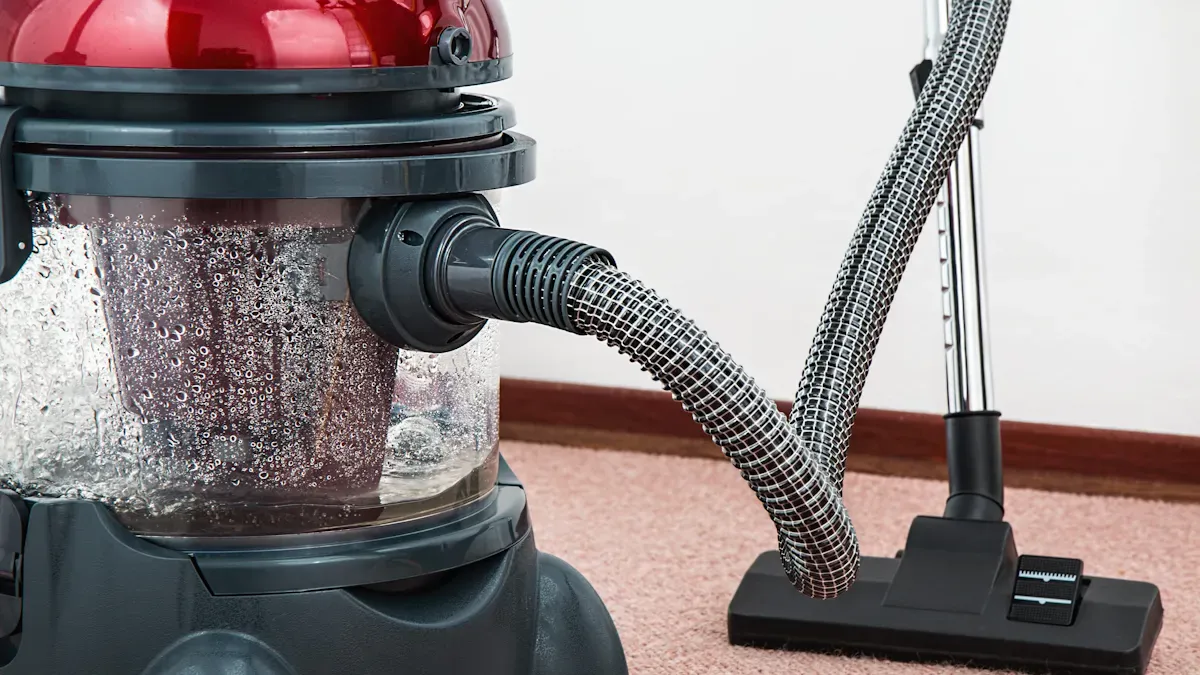
Filtration systems play a vital role in maintaining air quality in commercial spaces. A high-quality filtration system not only captures dirt and debris but also helps reduce allergens and harmful particles in the air. This is especially important for businesses that prioritize the health and safety of their employees and customers.
HEPA Filters
HEPA filters are among the most effective filtration options available. These filters can capture at least 99.97% of particles that are 0.3 microns in size. This size is significant because it represents the most penetrating particle size. If a filter performs well at this size, it will likely be even more efficient at capturing smaller particles.
Did You Know? HEPA filters excel at trapping particles smaller than 0.1 microns due to their unique diffusion mechanism. This means they can effectively capture allergens, dust mites, and even some bacteria.
Using a vacuum equipped with a HEPA filter can significantly improve the air quality in your environment. This is crucial for businesses in sectors like healthcare, education, and hospitality, where clean air is essential.
Dust and Allergen Capture
When you choose a vacuum with a robust filtration system, you enhance its ability to capture dust and allergens. This feature is particularly beneficial for those who suffer from allergies or respiratory issues. A vacuum that effectively traps these particles ensures that they do not get released back into the air during cleaning.
Investing in a commercial vacuum with a high-quality filtration system not only improves cleaning efficiency but also contributes to a healthier workspace. You can create a cleaner, safer environment for everyone by prioritizing filtration systems in your vacuum choice.
Durability
Durability is a key factor when selecting a commercial vacuum. You want a machine that can withstand the rigors of daily use without breaking down. The materials used in construction significantly influence a vacuum’s longevity and performance.
Material Quality
High-quality materials enhance the durability of commercial vacuums. Many heavy-duty models are constructed from stainless steel, which resists rust and corrosion. This makes them ideal for harsh cleaning environments. Additionally, reinforced plastics and metals contribute to a vacuum’s lifespan. These materials are designed to endure wear and tear, ensuring your vacuum remains effective over time.
Here are some common materials used in heavy-duty vacuums:
Stainless Steel: Offers excellent durability and resistance to harsh conditions.
Reinforced Plastics: Lightweight yet strong, these materials help reduce the overall weight of the vacuum while maintaining strength.
High-Performance Polymers: These materials provide a better strength-to-weight ratio than metals, allowing for innovative designs.
Resistance to Wear
A vacuum’s resistance to wear is crucial for maintaining performance in high-traffic areas. Models designed with enhanced wear resistance can operate for up to 2,000 hours without losing suction. This is essential for businesses that require consistent cleaning results.
Consider the following benefits of vacuums with superior wear resistance:
They utilize heavy-duty motors that draw between 7 to 12 amps, ensuring they can handle daily, multi-hour operations.
Their design often includes metal components and larger dust capacities, which contribute to their durability.
These vacuums effectively remove deep-seated dirt from carpets, making them ideal for commercial settings.
Investing in a vacuum with high-quality materials and resistance to wear ensures you get a reliable cleaning solution that lasts. This choice not only enhances your cleaning efficiency but also saves you money on repairs and replacements in the long run.
Versatility
Versatility is a crucial feature of commercial vacuums. You need a vacuum that can adapt to various surfaces and cleaning tasks. A vacuum with multi-surface capability allows you to clean everything from carpets to hard floors without switching machines. In fact, 60% of consumers request this feature when choosing a vacuum cleaner.
Multi-Surface Capability
Multi-surface vacuums excel in environments with mixed flooring types. They optimize cleaning paths, ensuring you cover all areas effectively. Here’s how these features enhance cleaning efficiency:
Feature | Benefit |
|---|---|
Optimized Multi-Surface Coverage | Adapts cleaning paths for mixed flooring in various environments. |
Labor Efficiency | Autonomous operation allows staff to focus on specialized tasks. |
Operational Reliability | Consistent cleaning reduces infection rates in hospitals. |
Versatility Across Surfaces | Effective on tile, hardwood, laminate, and carpet in high-traffic areas. |
Adaptive Multi-Surface Paths | Real-time adjustments for cleaning routes and intensity. |
Energy Management | Extended operation on large mixed-floor areas due to optimized motors. |
With these capabilities, you can maintain cleanliness in diverse settings, from schools to warehouses.
Useful Attachments
Attachments significantly enhance the versatility of your commercial vacuum. They allow you to tackle specific cleaning challenges with ease. Common attachments include:
Crevice tools for cleaning tight spaces.
Upholstery brushes for cleaning furniture.
High-reach wands for accessing ceiling vents.
These specialized tools improve your vacuum’s effectiveness in hard-to-reach areas. They ensure thorough cleaning, enhancing hygiene and cleanliness in commercial environments. By investing in a vacuum with a variety of attachments, you can address all your cleaning needs efficiently.
Ease of Use
When you choose a commercial vacuum, ease of use is essential. A vacuum that is user-friendly can significantly enhance your cleaning experience. Two key features that contribute to this are maneuverability and lightweight design.
Maneuverability
Maneuverability is crucial for effective cleaning, especially in tight spaces. A vacuum that moves easily around furniture and obstacles saves you time and effort. Here are some features that improve maneuverability:
Swivel Steering: This allows you to navigate around corners and furniture effortlessly.
Smooth-Gliding Wheels: These wheels ensure that your vacuum moves without resistance, making it easier to push or pull.
Ergonomic Handles: These handles provide a better grip, allowing you to control the vacuum with ease.
With these features, you can clean more efficiently, reducing the time spent on each task. Lightweight hip and backpack vacuum cleaners enhance mobility, allowing you to cover more ground quickly. This design minimizes user fatigue, enabling you to maintain high cleaning standards without feeling worn out.
Lightweight Design
A lightweight vacuum can make a world of difference in your cleaning routine. The average weight for lightweight commercial vacuums ranges from 3 to 8 pounds. This weight range enhances usability, making it easier to carry and maneuver, especially in larger spaces or when navigating stairs.
Consider these benefits of a lightweight design:
Reduced Physical Demand: You can clean longer without feeling fatigued.
Improved Control: Ergonomic designs facilitate better handling and maneuverability.
Convenient Cord Management: This feature helps you avoid tangles and keeps your workspace organized.
By investing in a vacuum that prioritizes ease of use, you not only improve your cleaning efficiency but also create a more enjoyable experience for yourself and your team.
Maintenance and Noise Levels
Maintaining your commercial vacuum is essential for its longevity and performance. Regular upkeep not only keeps your vacuum running smoothly but also enhances its cleaning efficiency. One of the key aspects of maintenance is ensuring that you can easily replace parts when necessary.
Replaceable Parts
Investing in a vacuum with replaceable parts can significantly extend its lifespan. Here are some reasons why this feature is crucial:
Regular Maintenance: Changing filters regularly can greatly increase the lifespan of your vacuum cleaner.
Durability: Vacuums with metal components and replaceable parts tend to last longer than those made with plastic and lower-grade materials.
Key Tasks: Important maintenance tasks include replacing or cleaning filters. Dirty filters can impede airflow and reduce the vacuum’s lifespan.
By prioritizing vacuums with replaceable parts, you ensure that your machine remains effective and reliable over time.
Quiet Operation
Noise levels are another important consideration when selecting a commercial vacuum. A quieter vacuum allows you to maintain a peaceful environment, especially in settings like offices or schools. Aim for vacuums that operate at lower decibel levels. Acceptable noise levels for commercial vacuums typically range from:
55 dB
60 dB
65 dB
70 dB
Choosing a vacuum that operates at these levels ensures minimal disruption during cleaning. A quiet vacuum not only enhances the comfort of your space but also promotes a more productive atmosphere.
In summary, the heavy-duty features of commercial vacuums significantly enhance your cleaning experience. Focus on suction power, filtration systems, and durability to ensure effective performance. Versatility and ease of use make your cleaning tasks simpler and more efficient. Additionally, consider maintenance needs and noise levels for a better working environment. By prioritizing these features, you can choose a vacuum that meets your business’s demands and maximizes commercial vacuum performance. Make an informed decision today for a cleaner tomorrow!
FAQ
What features should I prioritize in a commercial vacuum?
Focus on suction power, filtration systems, and durability. These features ensure effective cleaning and long-term performance, making your investment worthwhile.
How often should I replace the filters in my vacuum?
Replace filters every 3 to 6 months, depending on usage. Regular replacement maintains suction power and improves air quality.
Can I use a commercial vacuum on different surfaces?
Yes! Many commercial vacuums offer multi-surface capabilities. They adapt to carpets, hardwood, and tile, making them versatile for various cleaning tasks.
How do I maintain my commercial vacuum?
Regularly check and clean filters, empty dust containers, and inspect hoses for blockages. Proper maintenance extends your vacuum’s lifespan and ensures optimal performance.
Are quieter vacuums worth the investment?
Absolutely! Quieter vacuums create a more comfortable environment, especially in offices or schools. They allow you to clean without disturbing others, enhancing productivity.
