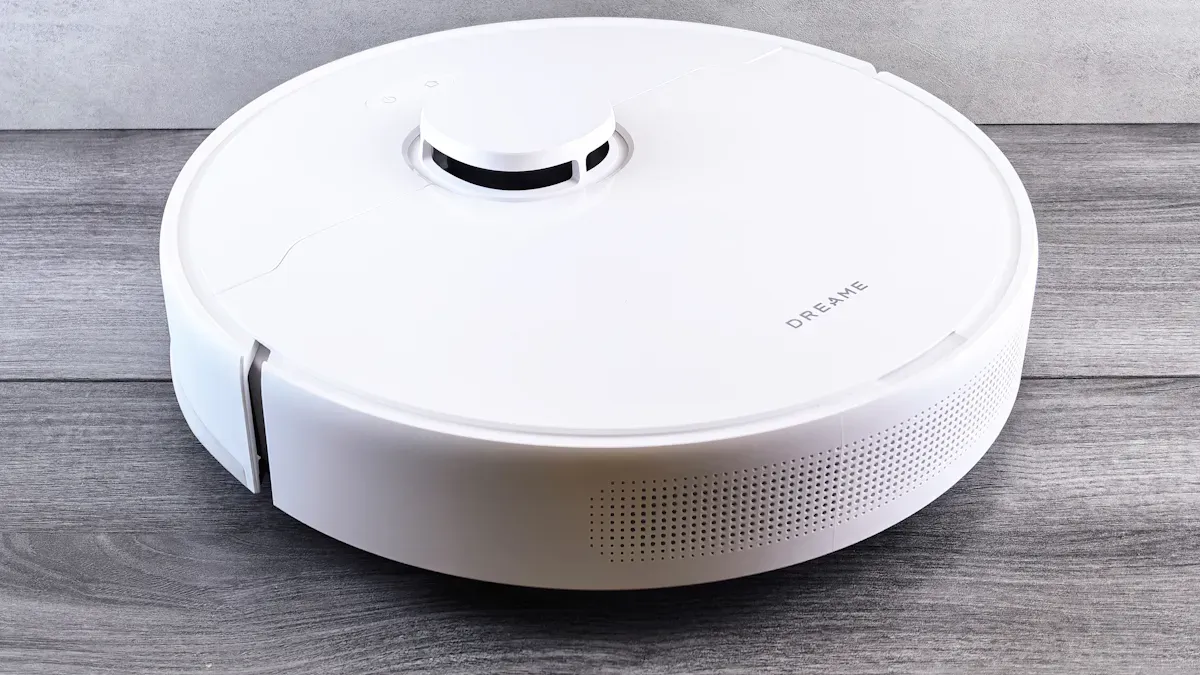
Robot vacuum navigation plays a crucial role in modern cleaning technology. This technology allows your vacuum to move around your home efficiently and effectively. As of 2023, 12% of U.S. households own a robotic vacuum cleaner, highlighting its growing popularity. With features like autonomous navigation, you can multitask while your robot cleans. Systematic navigation patterns ensure thorough coverage of your floors, making these devices more efficient than traditional methods. However, they may struggle in corners and tight spaces, which limits their effectiveness in complex layouts.
Key Takeaways
Robot vacuums use advanced navigation technologies like LiDAR and cameras to clean efficiently and avoid obstacles.
Custom cleaning modes allow you to tailor the vacuum’s operation to your specific needs, ensuring thorough coverage of your home.
Understanding your home layout and cleaning needs helps you choose the right robot vacuum for optimal performance.
Advanced mapping capabilities enhance cleaning efficiency by creating detailed layouts, reducing missed spots.
Budget considerations are important; advanced navigation features often come at a higher price but improve cleaning effectiveness.
Navigation Technologies
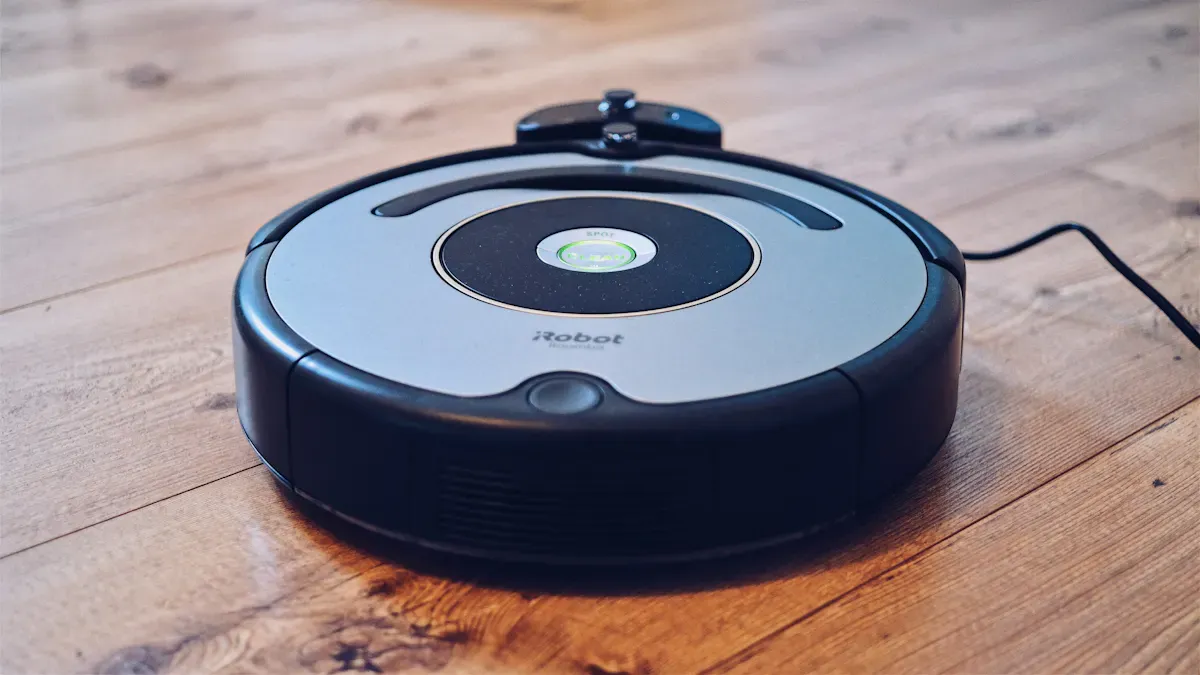
Robot vacuums utilize several advanced navigation technologies to clean your home effectively. Understanding these technologies helps you choose the right vacuum for your needs.
LiDAR Navigation
LiDAR (Light Detection and Ranging) uses laser beams to measure distances. This technology creates a detailed 3D map of your home, allowing the vacuum to navigate efficiently. LiDAR excels in dark rooms and complex layouts. It provides high navigation precision, ensuring that your vacuum avoids obstacles and cleans every corner. With LiDAR, your robot vacuum can remember your home’s layout, optimizing cleaning routes and saving you time.
Camera Navigation
Camera navigation relies on visual input to map your environment. This method offers precise navigation and efficient cleaning patterns. However, it has limitations. For instance, it struggles in low-light conditions and may misinterpret dark surfaces as drop-offs. Manufacturers address these challenges by adding light sources to improve visibility. Despite these issues, camera navigation remains popular due to its advanced smart features.
Infrared Sensors
Infrared sensors play a crucial role in obstacle detection. Cliff sensors use infrared light to identify stairs and ledges, preventing falls. Bump sensors detect contact with obstacles, prompting the vacuum to change direction. These sensors enhance navigation in low-light conditions, ensuring your vacuum operates safely and effectively.
Gyroscope and Accelerometer
Gyroscopes and accelerometers help maintain the vacuum’s orientation and movement accuracy. The gyroscope detects tilting or turning, while the accelerometer tracks speed and movement. Together, these sensors stabilize the vacuum, allowing it to navigate various surfaces like rugs and tiles smoothly.
Importance of Navigation
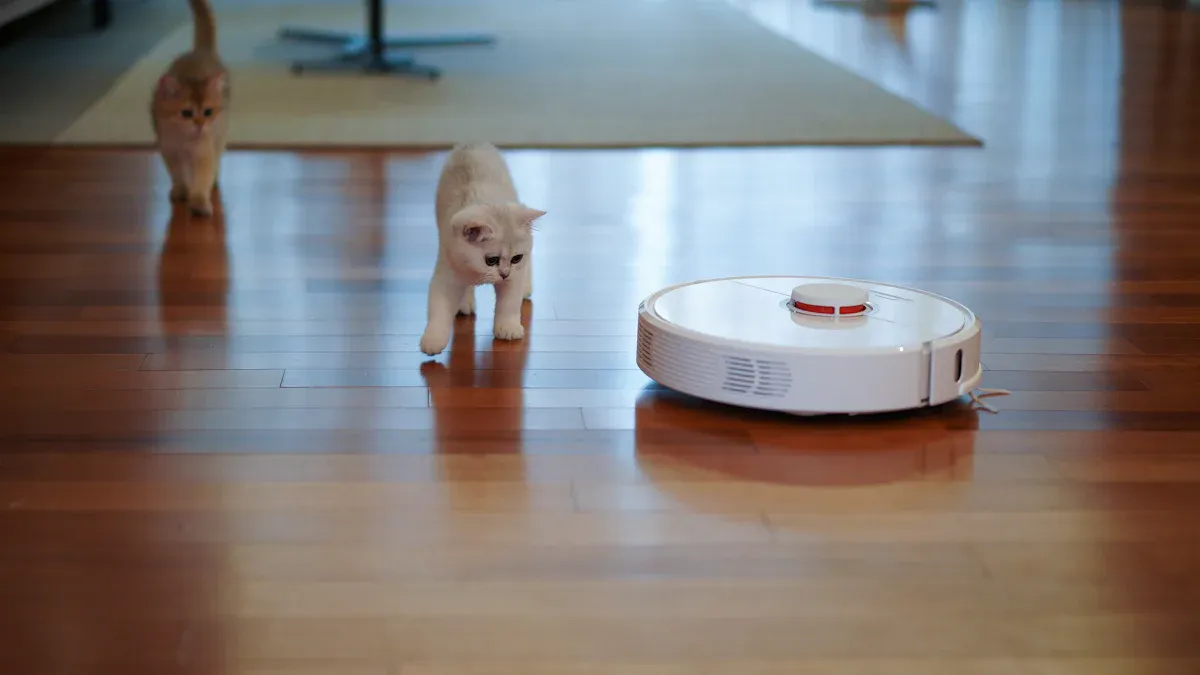
Effective navigation is crucial for robot vacuums. It directly impacts how well your vacuum cleans your home. When your vacuum can navigate efficiently, it covers more ground and avoids obstacles. This leads to a cleaner home with less effort on your part.
Efficient Coverage
Robot vacuums with advanced navigation algorithms provide efficient coverage. They use methods like spiral and snake patterns to clean your floors. These algorithms significantly improve cleaning time and coverage compared to basic navigation systems. Here are some key points about efficient coverage:
Robot vacuums using efficient algorithms can clean rooms in less than half the time of those using basic systems.
The spiral and snake algorithms are approximately eight times faster than random cleaning methods.
Basic navigation systems, like zigzag and random algorithms, often lead to longer cleaning times due to path overlaps and retracing.
With efficient coverage, you can trust that your vacuum will clean every corner of your home without missing spots.
Mapping Capabilities
Mapping capabilities enhance the user experience by allowing your robot vacuum to understand your home better. Advanced mapping technologies create detailed layouts of your space, which improves cleaning efficiency. Here are some benefits of these mapping features:
Benefit | Description |
|---|---|
More Efficient Cleaning | Systematic cleaning ensures every location is covered without missing areas. |
Customizable Cleaning | Users can set virtual boundaries to avoid certain areas, allowing for a tailored experience. |
Faster Cleaning | Efficient route planning reduces unnecessary backtracking, speeding up the cleaning process. |
Better Navigation | Enhanced obstacle detection ensures smoother operation and thorough cleaning. |
Multi-room and Multi-level | Advanced mapping allows for cleaning multiple rooms or floors, providing comprehensive coverage. |
With these mapping capabilities, your robot vacuum can adapt to various floor plans and layouts, ensuring thorough cleaning coverage.
Custom Cleaning Modes
Custom cleaning modes allow you to tailor the cleaning process to your specific needs. Advanced navigation technologies, such as LiDAR and camera-based systems, enable precise mapping. This leads to optimized cleaning paths and improved efficiency. Here are some advantages of custom cleaning modes:
Effective navigation helps robot vacuums maneuver around obstacles and traverse different floor types.
It ensures comprehensive coverage of the cleaning area, minimizing missed spots.
Optimized cleaning paths contribute to shorter cleaning times and longer battery life.
For example, the Cleanova W11 Robot Vacuum Cleaner uses LiDAR technology for precise 360° scans. It creates accurate maps that facilitate optimized cleaning paths. Unlike basic models that clean randomly, this vacuum employs systematic movements that cover more ground efficiently. Its smart mapping capabilities allow it to remember your home’s layout, enabling customized cleaning routines that significantly enhance overall cleaning effectiveness.
Choosing Robot Vacuums
Selecting the right robot vacuum involves understanding your space, cleaning needs, and budget. Each of these factors plays a crucial role in ensuring you choose a vacuum that meets your expectations.
Assessing Your Space
Before purchasing a robot vacuum, assess your home layout. Consider the following factors:
Factor | Description |
|---|---|
Suction Performance | Test how well the vacuum handles various debris types, including fine dust, large debris, and pet hair on different floor types. |
Navigation Type | LiDAR suits larger homes, while camera-based AI excels in recognizing obstacles. |
Obstacle Avoidance | Evaluate how well the vacuum navigates around common household items like cords and pet waste. |
Floor Compatibility | Different floor types affect performance; hardwood is generally well-handled, while carpets can present challenges. |
Maintenance Features | Consider how easy it is to maintain the vacuum for optimal performance. |
Understanding these factors helps you choose a vacuum that can navigate your home effectively.
Understanding Cleaning Needs
Your cleaning needs dictate the type of navigation features you should look for in a robot vacuum. Here are some key features and the needs they address:
Navigation Feature | Cleaning Need Addressed |
|---|---|
Real-time obstacle detection | Essential for safe cleaning around pets and toddlers. |
LiDAR mapping | Provides precise mapping for effective coverage. |
Custom cleaning modes | Allows targeted cleaning of specific areas or rooms. |
You can also consider area-based cleaning options:
All Cleaning: Cleans the entire floor or room by room.
Room-Wise Cleaning: Targets specific rooms for cleaning.
Zone Cleaning: Focuses on small areas with concentrated dirt.
While LiDAR technology enhances navigation by ensuring systematic coverage, it does not directly improve suction power or brush effectiveness. However, it guarantees that every area is cleaned properly, preventing missed spots, such as pet hair in corners.
Budget Considerations
Your budget significantly impacts your choice of robot vacuums. Advanced navigation features often come at a higher price. Here’s a breakdown of costs:
Navigation Type | Price Range | Features |
|---|---|---|
Advanced Navigation | $1,000 – $1,300 | Comprehensive mapping, powerful suction, advanced automation, smart-home integration, reliability. |
Basic Navigation | Under $600 | Simpler navigation methods, less efficient cleaning, more frequent collisions with obstacles. |
When selecting a vacuum, consider the complexity of your living space. For intricate layouts, advanced navigation systems are crucial for thorough cleaning. Basic models may struggle with obstacles, leading to inefficiencies.
Understanding navigation technologies is vital when selecting the best robot vacuum for your home. Here are some key points to remember:
LiDAR and camera navigation enhance cleaning efficiency and adaptability.
Custom cleaning modes cater to specific needs, such as pet hair or different floor types.
Advanced mapping allows for thorough coverage and minimizes missed spots.
When choosing a model, consider your unique cleaning requirements. For example, if you have pets, look for vacuums designed to handle pet hair effectively. If your home has various floor types, prioritize models with strong suction and gentle cleaning modes.
FAQ
What is robot vacuum navigation?
Robot vacuum navigation refers to the technology that allows your vacuum to move around your home efficiently. It helps the vacuum avoid obstacles and ensures thorough cleaning coverage.
How does LiDAR navigation work?
LiDAR navigation uses laser beams to create a detailed map of your home. This technology allows the vacuum to navigate accurately, even in complex layouts and low-light conditions.
Can I customize cleaning modes?
Yes, many robot vacuums offer customizable cleaning modes. You can set specific areas for cleaning or adjust settings based on your cleaning needs, such as focusing on pet hair or high-traffic zones.
How do I maintain my robot vacuum?
Regularly clean the brushes and filters to ensure optimal performance. Check for tangled hair or debris that may affect navigation. Following the manufacturer’s maintenance guidelines will extend your vacuum’s lifespan.
Are robot vacuums effective on carpets?
Yes, robot vacuums can effectively clean carpets, especially models with strong suction and specialized brushes. Advanced navigation helps them maneuver over different floor types, ensuring thorough cleaning.