

To keep your home dust-free, aim for regular vacuum cleaner cleaning at least once a week. This practice not only removes dirt but also improves indoor air quality. Maintaining your vacuum cleaner is crucial; a well-kept machine performs better and lasts longer. Factors like household size, pet ownership, and the type of flooring you have can all influence how often you need to engage in vacuum cleaner cleaning. So, consider your unique situation to create a cleaning routine that works for you!
Key Takeaways
Vacuum at least once a week to keep your home clean and improve air quality.
Adjust vacuuming frequency based on household size; larger families may need daily cleaning.
Focus on high-traffic areas by vacuuming them two to three times a week to manage dirt buildup.
Use a vacuum with a HEPA filter to effectively trap allergens and improve indoor health.
Establish a cleaning routine that includes regular dusting and washing bedding to maintain a dust-free environment.
Vacuuming Frequency
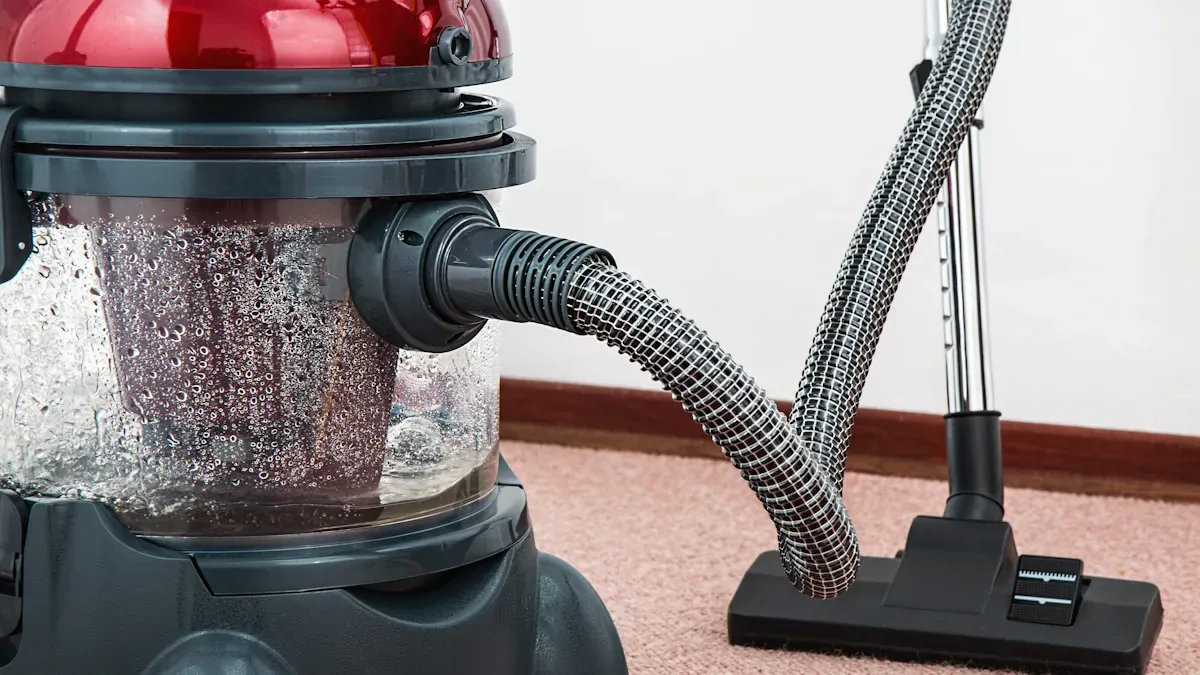
Weekly Vacuuming
To keep your home clean and healthy, you should aim for regular vacuuming at least once a week. This frequency helps remove dust, dirt, and allergens that can accumulate over time. If you have allergies, consider vacuuming even more often. Cleaning experts recommend vacuuming carpets and upholstered furniture at least once or twice a week. This routine can significantly improve your indoor air quality and reduce allergy symptoms.
Here’s a quick look at recommended vacuuming frequencies based on household conditions:
Household Type | Recommended Vacuuming Frequency |
|---|---|
Low-traffic homes | Every 2 to 3 weeks |
Average homes | Weekly |
Homes with kids/pets | At least once a week |
High-traffic homes | 2 to 3 times a week |
By following these guidelines, you can maintain a cleaner environment and enjoy the benefits of a dust-free home.
High-Traffic Areas
High-traffic areas in your home, like hallways and living rooms, collect dust and dirt much faster than low-traffic areas. The constant movement compresses carpet fibers, embedding dirt deeper. This means you should vacuum high-traffic areas more frequently—ideally, two to three times a week.
Environmental factors also play a role. For instance, if you live near busy roads, dust from vehicle traffic can settle in your home. This dust can trigger allergies and respiratory issues. To combat this, make sure to vacuum these areas daily if possible.
Here are some tips for managing high-traffic areas:
Vacuum carpets and rugs at least once a week.
Pay extra attention to corners and under furniture where dust tends to accumulate.
Use a vacuum cleaner with a HEPA filter to trap microscopic allergens effectively.
By adjusting your vacuuming frequency based on traffic patterns, you can keep your home cleaner and healthier.
Factors Affecting Vacuuming
Household Size
Your household size plays a significant role in determining how often you should vacuum. Larger households tend to generate more dust and dirt due to increased activity levels. If you live alone or with just one other person, you might find that vacuuming twice a week is sufficient. However, in a bustling household with kids or multiple adults, you may need to vacuum daily or every other day to keep up with the mess.
Here’s a quick breakdown of how household size affects your vacuuming routine:
Single-person households: Vacuuming twice a week is usually enough.
Couples or small families: Aim for vacuuming at least once every few days.
Larger families: Daily vacuuming is often necessary to manage the increased dirt and allergens.
Flooring Type
The type of flooring in your home also impacts how often you should vacuum. Different materials trap dust and debris differently, so understanding your flooring can help you establish an effective vacuuming routine.
Carpets: These tend to trap more dirt and allergens, so you should vacuum high-traffic areas at least twice a week and less-trafficked areas once a week.
Hardwood and tile floors: These surfaces require less frequent vacuuming. A weekly vacuum is typically sufficient, but you might want to increase this to twice a week if you have pets or high foot traffic.
Here’s a handy table summarizing the recommendations based on flooring type:
Type of Flooring | Recommended Vacuuming Frequency |
|---|---|
Carpet | High-traffic areas: 2-3 times a week; less-trafficked: once a week |
Hardwood/Tiles | Once a week; twice a week if pets or high foot traffic are present |
Pet Ownership
If you’re a pet owner, your vacuuming routine will likely need to be more frequent. Pets shed hair and dander, which can accumulate quickly and affect indoor air quality. Here are some tips for managing pet-related cleaning:
Daily vacuuming: Ideal for homes with multiple pets or those that shed heavily. This helps control the spread of hair and dander.
Every other day: Best for single-pet households or pets with moderate shedding.
Twice a week: A reasonable baseline for most pet-friendly homes.
In addition to vacuuming, consider using a lint roller or pet brush on upholstery before you vacuum. This extra step can help you manage pet hair more effectively.
By considering these factors—household size, flooring type, and pet ownership—you can tailor your vacuuming routine to keep your home clean and dust-free.
Vacuum Cleaner Cleaning

Bagged vs. Bagless
When it comes to vacuum cleaner cleaning, choosing between bagged and bagless models can affect your maintenance routine. Here’s a quick comparison to help you decide:
Feature | Bagged Vacuum Cleaners | Bagless Vacuum Cleaners |
|---|---|---|
Maintenance Frequency | Requires regular bag and filter replacement | Requires frequent bin emptying and filter cleaning |
Dust Containment | Dust is sealed inside the bag, reducing exposure | Dust can escape during emptying, increasing exposure |
User Interaction | Less hands-on maintenance | More interaction with dirt and dust |
Bagged vacuums keep internal components cleaner, which reduces wear on motors and seals. On the other hand, bagless vacuums require more effort from you. If not maintained properly, they can lead to less hygienic conditions. So, consider your comfort level with maintenance when choosing your vacuum.
Regular Maintenance Tips
To keep your vacuum running smoothly, follow these regular maintenance tips:
Read the Manual: Understand your vacuum’s specific features and requirements.
Empty the Dust Bag or Canister Regularly: Prevent reduced suction power by emptying when two-thirds full.
Clean or Replace Filters: Maintain efficient airflow by cleaning or replacing filters as recommended.
Check and Clean the Brush Roll: Remove tangled debris to ensure optimal cleaning performance.
Inspect and Clean Hoses and Attachments: Clear blockages to maintain suction and efficiency.
Check the Cord and Plug: Address any damage immediately to avoid safety hazards.
Store Your Vacuum Properly: Protect it from dust and damage by storing it correctly.
By following these steps, you can prolong your vacuum’s lifespan and ensure effective vacuuming. Regular vacuum cleaner cleaning not only enhances performance but also keeps your home dust-free.
Tips for a Dust-Free House
Vacuuming Techniques
To keep your home dust-free, you need effective vacuuming techniques. Here are some tips to enhance your vacuuming routine:
Dust from top to bottom: Start high and work your way down. This way, any dust that falls will be picked up when you vacuum the floors.
Store items off the floor: Keeping items elevated makes it easier to vacuum without obstacles.
Pull furniture away from walls: This allows you to clean those hard-to-reach areas where dust tends to accumulate.
Using a vacuum cleaner equipped with a HEPA filter can significantly reduce allergens in your home. Make it a habit to inspect and clean areas prone to allergen buildup, like carpets and upholstery. You should also change vacuum bags when they are half-full to maintain suction power. Adjusting the height of your vacuum can help you achieve optimal cleaning results, especially on different flooring types.
Cleaning Routine
Establishing a cleaning routine is essential for maintaining a dust-free house. Here’s a simple plan to follow:
Create a cleaning schedule: Aim to vacuum at least twice a week. This helps manage dust effectively.
Dust surfaces regularly: Wipe down surfaces and vacuum floors twice a week to keep dust at bay.
Wash bedding and curtains monthly: This reduces dust accumulation and keeps your sleeping environment clean.
Control humidity levels: Keeping humidity low can help minimize dust mites and allergens.
Limit indoor pollutants: Avoid smoking indoors and use air purifiers to maintain a healthier living environment.
By combining these strategies with your vacuuming routine, you can create a clean and healthy living space. Remember, daily cleaning routines can make a big difference in keeping your home dust-free.
Maintaining a dust-free home starts with a solid vacuuming routine. Regular vacuuming not only reduces allergens but also eliminates mold and bacteria, supporting your overall health. Here are some key benefits of establishing a consistent vacuuming schedule:
Benefit | Explanation |
|---|---|
Reducing Allergens | Vacuuming diminishes the presence of allergens like pet hair, dust mites, and pollen, improving respiratory health. |
Eliminating Mold and Bacteria | Regular vacuuming disrupts the growth of mold and bacteria, leading to a cleaner and healthier living environment. |
Supporting Mental Well-Being | A clean home reduces stress and anxiety, promotes relaxation, and boosts self-esteem, contributing to overall mental health. |
To get the most out of your vacuuming routine, avoid common mistakes like over-cleaning or inconsistent scheduling. Assess your habits and make adjustments as needed.
