

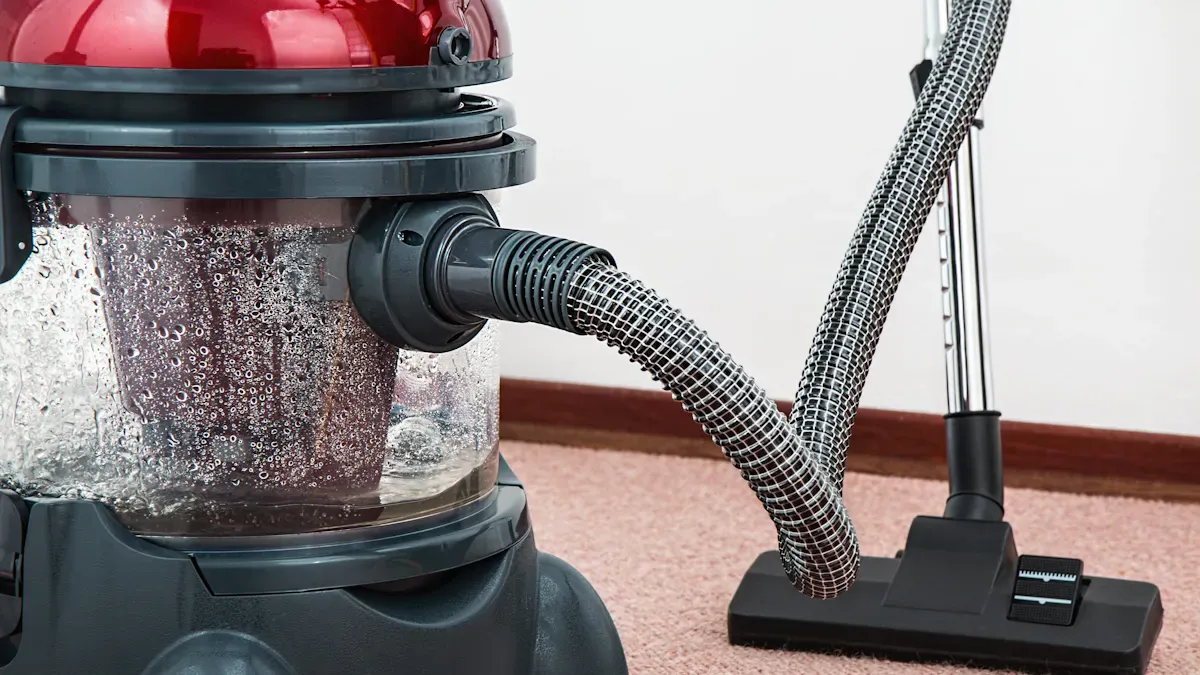
Vacuum cleaner noise can be quite bothersome, affecting your peace at home. You might find yourself wondering how much noise is too much. Understanding decibel levels helps you gauge this better. For instance, an average vacuum cleaner produces noise ranging from 65 to 80 dB, similar to heavy city traffic. This noise can lead to stress, increased blood pressure, and even mental health issues over time.
Key Takeaways
Vacuum cleaners can be as loud as 85 dB, similar to heavy city traffic. This noise can lead to stress and health issues over time.
Choosing a quieter vacuum model can greatly improve your cleaning experience. Look for models rated as ‘very good’ for noise levels.
Regular maintenance, like cleaning filters and emptying bins, helps keep your vacuum quieter and more efficient.
Vacuum Cleaner Noise Levels
Average Noise Levels
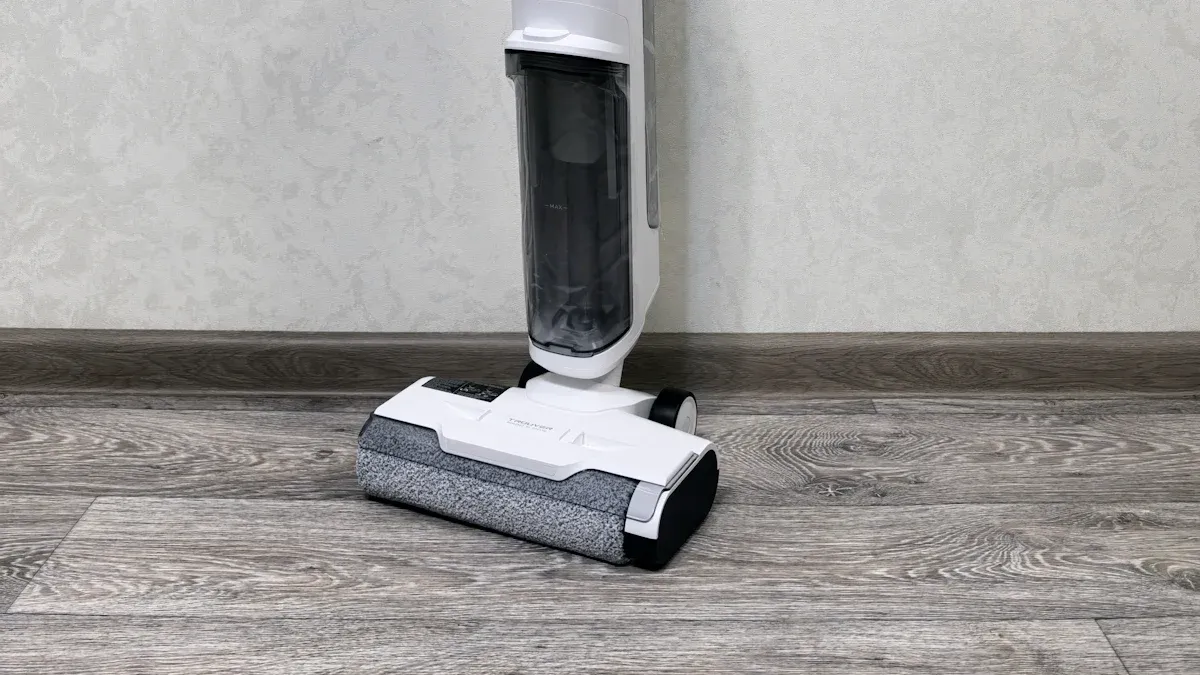
When you think about vacuum cleaner noise, it’s helpful to compare it to other household sounds. Most vacuum cleaners produce noise levels between 60 and 85 decibels (dB). To give you a clearer picture, here’s how they stack up against common appliances:
Appliance | Noise Level (dB) |
|---|---|
Vacuum Cleaner | 60 – 85 |
Dishwasher | 55 – 70 |
Washing Machine | 50 – 75 |
As you can see, a vacuum cleaner can be as loud as a dishwasher or even louder than a washing machine. This excessive noise can disrupt your daily life, especially if you live in a small space or have young children or pets.
Health Impacts of Noise
Excessive noise from vacuum cleaners can lead to more than just annoyance. The National Institute on Deafness and Other Communication Disorders warns that exposure to noise levels at or above 85 decibels can cause hearing loss. The Environmental Protection Agency suggests keeping noise exposure below 70 decibels over a 24-hour period to protect your hearing. Even lower levels, around 55 decibels, can have nonauditory health effects, such as increased stress and anxiety.
Understanding these impacts can help you make informed choices about your cleaning routine. By being mindful of vacuum cleaner noise, you can create a more peaceful home environment.
Factors That Affect Noise
Design and Motor Influence
The design of your vacuum cleaner plays a significant role in how much noise it makes. Manufacturers have developed several features to help reduce sound levels. Here are some effective design elements:
Sound-dampening materials around motor chambers
Improved airflow design to minimize turbulence-related noise
Vibration isolation mounting for motors and fans
Multi-chamber designs that naturally baffle sound
Variable speed operation that lowers noise when full power isn’t needed
These features can make a noticeable difference in your cleaning experience. If you’re in the market for a new vacuum, look for models that incorporate these design elements to help keep the noise down.
Maintenance Tips
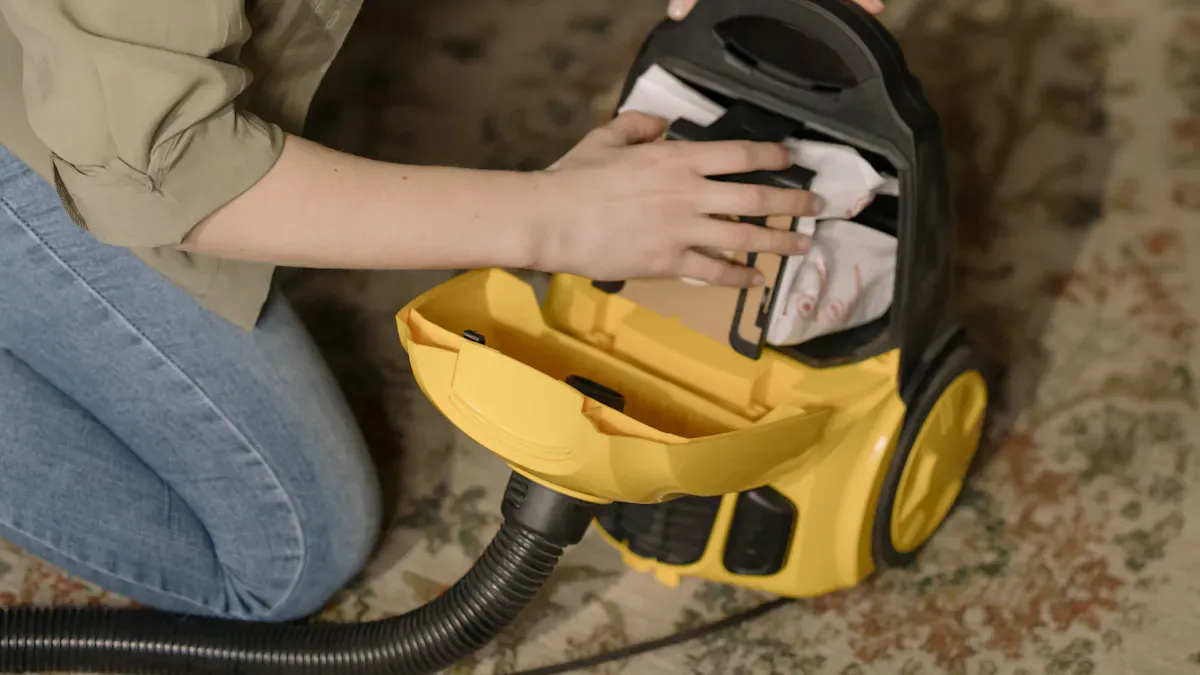
Regular maintenance is crucial for keeping your vacuum cleaner quiet. Neglecting it can lead to increased noise levels. Here are some maintenance tips to consider:
Clogged filters force the motor to work harder, increasing noise.
Emptying the collection system regularly reduces stress on the vacuum.
Cleaning brush rolls and filters prevents excessive noise during operation.
Also, remember to turn off the vacuum and disconnect it before performing any maintenance. Regularly cleaning components ensures efficient operation and helps lower noise levels. Preventive maintenance, like replacing worn parts, is essential to avoid common causes of excessive noise.
By paying attention to both design and maintenance, you can significantly reduce the noise your vacuum cleaner produces, making your cleaning routine more pleasant.
7 Ways to Reduce Noise
Choose Quieter Models
When shopping for a vacuum cleaner, look for models specifically designed to operate quietly. Many brands now offer quiet vacuums that produce less noise without sacrificing performance. For example, the Miele Dynamic U1 Cat & Dog and the Shark Rotator Powered Lift-Away NV680 are both rated as very good for noise levels. Here’s a quick comparison of some top-rated quiet vacuum models:
Vacuum Model | Decibel Rating | Notes |
|---|---|---|
Miele Dynamic U1 Cat & Dog | Very Good | Quietest bagged upright |
Shark Rotator Powered Lift-Away NV680 | Very Good | Quietest bagless upright |
Miele Complete C3 Alize | Very Good | Quietest among full-sized and stick vacuums |
Miele Complete C3 Marin | Very Good | One of the quietest canisters tested |
Most vacuum cleaners operate between 65 and 80 dB, but some robot vacuums or handheld models can be as low as 55-60 dB. Choosing a quiet vacuum robot can make a significant difference in your cleaning experience.
Soundproofing Techniques
If you want to take noise reduction a step further, consider soundproofing your cleaning area. Here are some effective soundproofing materials and techniques:
Lead Sheets: These are highly effective sound barriers due to their high surface density and weight. They absorb noise over 10 times more effectively than glass or concrete.
Acoustic Panels: Installing these on walls can help dampen sound.
Insulation: Adding noise-reducing insulation can significantly lower the sound from your vacuum cleaner.
Implementing these techniques can help create a quieter environment, especially if you live in an apartment or have close neighbors.
Maintenance Modifications
Regular maintenance is key to keeping your vacuum cleaner running quietly. Here are some maintenance modifications you can make:
Empty the Bag or Bin Before It’s Overfilled: This reduces strain on the motor, lowering noise levels.
Keep Filters Clean: Clogged filters force the motor to work harder, increasing noise.
Inspect the Brush Roller and Belt: Removing debris and replacing worn belts can significantly reduce noise from the roller system.
Check Hoses and Air Passages: Ensuring clear air paths minimizes turbulence noise.
Scheduling professional service when needed can also help address issues like grinding bearings that contribute to noise.
Timing and Accessories
Timing your cleaning sessions can also help reduce noise. Try to vacuum during hours when it’s less likely to disturb others. Additionally, consider using accessories designed to minimize noise:
Central Vacuum Sound Off Exhaust Muffler: This compact design reduces vacuum exhaust noise.
Muffler Suction Noise Reducer: Specifically designed to reduce suction noise.
These accessories can make a noticeable difference in how much noise your vacuum produces.
Barriers and Screens
Creating physical barriers can also help block vacuum cleaner noise. Here are some materials recommended for constructing barriers:
Acoustic Panels: These can absorb airborne noise, including sounds from your vacuum.
Heavy Curtains: Hanging heavy curtains can help muffle sound.
Soundproofing Screens: These can be placed around your cleaning area to help contain noise.
Understanding the nature of the noise is crucial for effective soundproofing. By implementing these barriers, you can significantly reduce the impact of vacuum cleaner noise in your home.
In summary, choosing a quieter vacuum cleaner can greatly enhance your cleaning experience. Remember, 72% of luxury appliance buyers prioritize quiet operation. By following the tips shared, like regular maintenance and selecting the right model, you can enjoy a peaceful home while keeping it clean.
FAQ
What is the quietest vacuum cleaner available?
The quietest vacuum cleaners operate around 55-60 dB. Look for models specifically designed for low noise, like certain robot vacuums.
How can I tell if my vacuum is too loud?
If your vacuum exceeds 85 dB, it may be too loud. You can use a decibel meter app to measure the sound level.
Does vacuum cleaner noise affect pets?
Yes, loud vacuum cleaners can stress pets. Consider vacuuming when they’re in another room or using quieter models to minimize their anxiety.
