

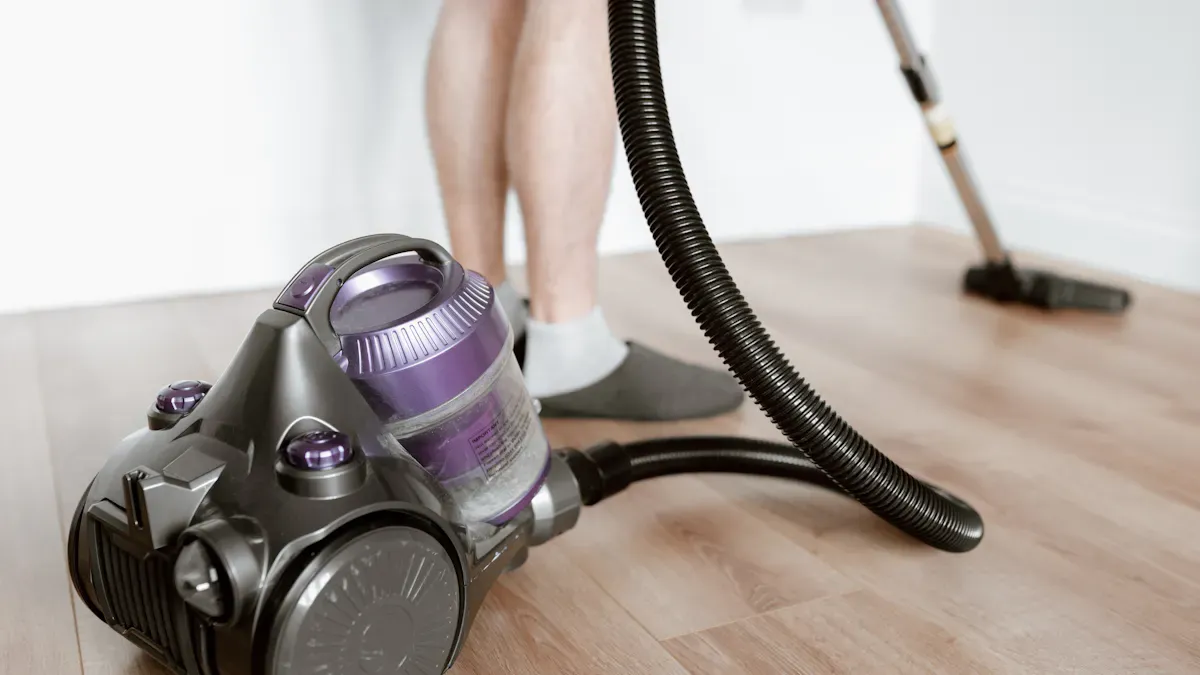
Vacuum hose maintenance plays a crucial role in ensuring effective suction and overall performance. Neglecting this aspect can lead to common issues like clogs and reduced airflow. Regular maintenance helps you avoid these problems by preventing hose failure at stress points, keeping hoses clean, and protecting them from sharp bends. This care significantly extends the lifespan of your vacuum.
Key Takeaways
Regularly inspect your vacuum hose for wear and damage. Look for cracks, leaks, and loose connections to maintain optimal suction.
Clean your vacuum hose monthly to prevent clogs. Use a gentle brush and warm soapy water for effective cleaning.
Store your vacuum hose properly to avoid kinks and cracks. Keep it in a cool, dry place and use hangers to prevent tangling.
Causes of Suction Loss
Understanding the causes of suction loss can help you maintain your vacuum effectively. Here are some common issues that lead to reduced suction:
Clogs and Blockages
Clogs and blockages frequently occur in vacuum hoses. They can significantly hinder airflow, leading to suction loss. Common sources of obstructions include:
Long hair
Pet fur
Socks
Small toys
Pieces of paper
Pet hair is particularly notorious for causing severe blockages. To identify clogs, start with an initial assessment. Check your vacuum’s performance and inspect the hose for visible obstructions. If you suspect a blockage, systematically check each inlet valve. Use a flashlight for better visibility. You can also use techniques like pressure build-up or reverse suction to clear the hose.
Worn Filters
Worn filters can obstruct airflow, which leads to suction loss. Signs of filter degradation include visible blockages and reduced airflow. If you notice decreased suction power, it may be time to replace your filter. According to manufacturer guidelines, you should replace filters every 3-6 months for bagless vacuums. For washable filters, clean them regularly to avoid dirt buildup.
Improper Connections
Improper connections between vacuum hoses and attachments can also reduce suction efficiency. Loose or disconnected hoses create vacuum leaks, which diminish performance. To ensure secure connections, use 2.5-inch vacuum hoses for higher suction power. Implement whip hoses for better maneuverability. Additionally, consider using hard plastic locking cuffs for a more secure fit.
By addressing these common causes of suction loss, you can keep your vacuum running efficiently.
Vacuum Hose Maintenance Tips
Regular Inspections
Conducting regular inspections of your vacuum hose is essential for maintaining suction power. Follow these steps to detect early signs of wear or damage:
Perform routine visual inspections to spot signs of wear, such as cracks or deformation.
Examine hoses, fittings, and seals to minimize potential faults.
Check for leaks caused by loose or damaged connections.
Tighten fittings or replace defective parts to maintain reliability.
Flex the hose to identify hidden damage like cracks or abrasions.
Replace worn hoses before they fail to avoid unexpected ruptures.
Experts recommend inspecting your vacuum hoses based on service conditions. Here’s a quick reference table:
Service Condition | Inspection Frequency |
|---|---|
Normal service | Monthly |
Heavy service | Weekly to monthly |
Severe service | Daily to weekly |
Special service | As recommended by a qualified person |
Periodic Inspection | Yearly (normal), Semiannually (heavy), Quarterly (severe) |
Cleaning the Hose
Cleaning your vacuum hose regularly helps maintain suction power. Here’s how to do it effectively:
Detach the hose from the vacuum.
Use a dryer vent brush or a broom handle to gently clear clogs. Avoid metal objects that could damage the hose.
Mix dish soap with warm water and immerse the hose in the solution. Use a bottle cleaning brush for thorough cleaning.
Rinse the hose under high pressure while holding it in a ‘U’ shape to shake out debris. Hang it upright to air dry.
Regular cleaning prevents buildup that can lead to suction loss.
Filter Maintenance
Filters play a crucial role in maintaining vacuum performance. Here are some best practices for filter maintenance:
Maintenance Task | Frequency |
|---|---|
Check oil level | Daily |
Inspect oil quality | Daily |
Inspect filters | Weekly/Monthly |
Clean or replace filters | As needed (every 1,000 to 3,000 hours) |
Different types of filters require unique maintenance procedures. For example, HEPA filters need regular replacement to prevent leakage, while foam filters are washable and reusable. Understanding these differences helps you maintain optimal suction power.
Brush Roll Care
The brush roll is vital for effective cleaning. Neglecting it can lead to suction loss. Follow these steps for proper brush roll maintenance:
Unplug the vacuum cleaner.
Lay the vacuum down to access the brush roll.
Remove the screws holding the brush cover.
Lift the brush out and clear it of hair and debris.
Ensure the brush spins freely; replace it if necessary.
Reassemble the vacuum.
Regular brush roll care enhances suction efficiency and prolongs the life of your vacuum cleaner.
Proper Storage
Proper storage of your vacuum hose prevents kinks and cracks. Here are some tips:
Neatly coil the flexible hose without making the coils too tight.
Store hoses off damp floors to prevent moisture damage.
Keep hoses in a cool, dry place away from direct sunlight.
Drain and dry hoses before storage to prevent bacterial growth.
Use hose hangers or reels to prevent tangling and kinking.
By following these storage practices, you can protect your vacuum hose from damage and maintain its performance.
Regular maintenance of your vacuum hose is vital for optimal performance. It prevents clogs, reduces energy costs, and extends your vacuum’s lifespan from an average of 8.2 years to nearly double. Implement these tips to ensure your vacuum operates efficiently and effectively. Your efforts will lead to cleaner spaces and lower energy bills!
Conduct regular inspections.
Clean hoses thoroughly.
Monitor vacuum pressure.
Embrace these practices for a reliable vacuum experience!
FAQ
What should I do if my vacuum loses suction suddenly?
Check for clogs in the hose, inspect the filter, and ensure all connections are secure.
How often should I clean my vacuum hose?
Clean your vacuum hose every month to prevent clogs and maintain optimal suction.
Can I use any cleaning solution for my vacuum hose?
Use mild dish soap mixed with warm water. Avoid harsh chemicals that may damage the hose.
