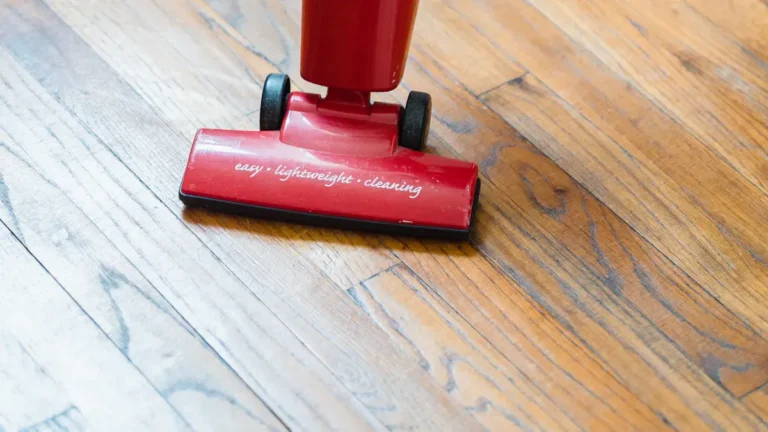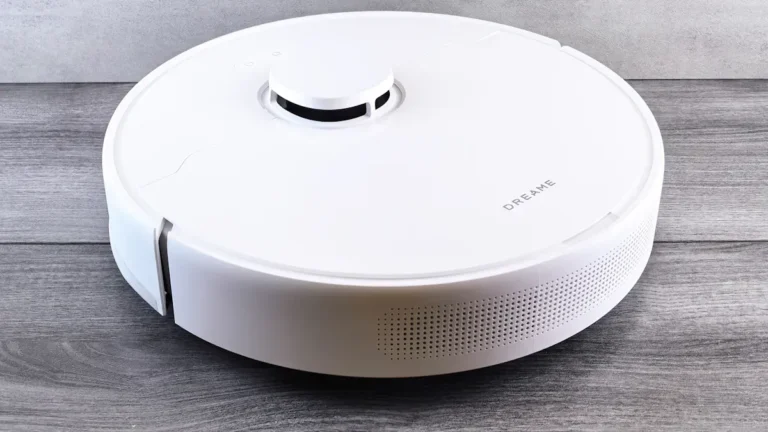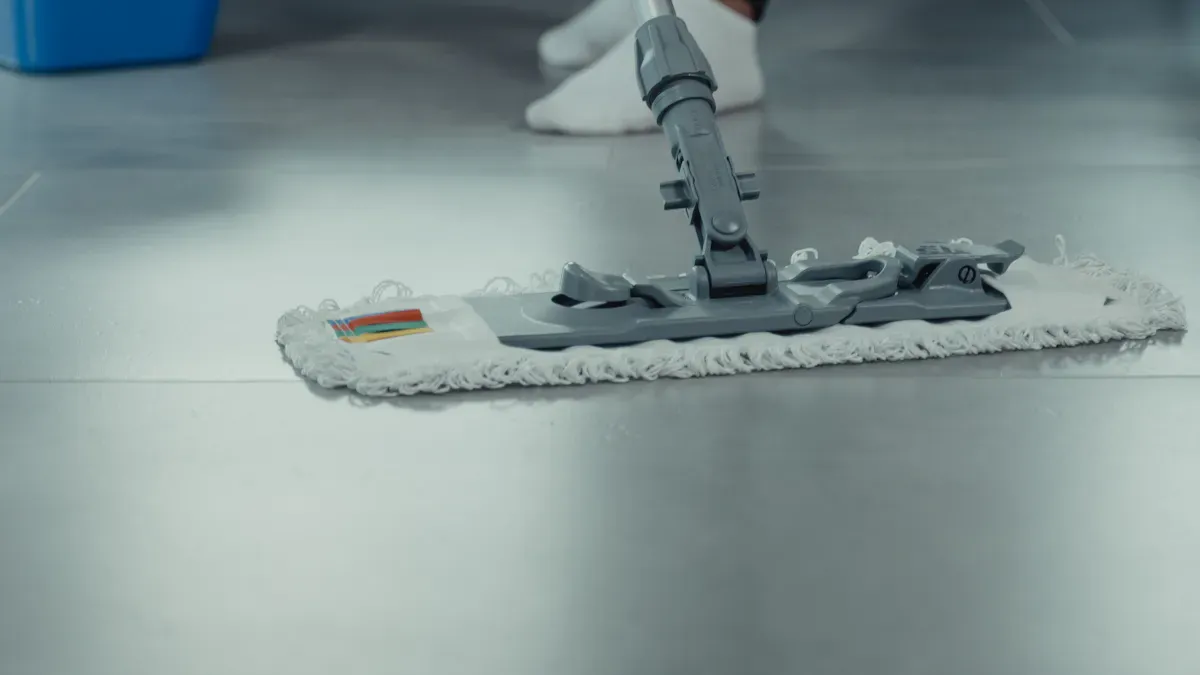
Vacuum mops have become popular tools for home cleaning, combining vacuuming and mopping in one device. Understanding vacuum mop floor compatibility is essential. Using a vacuum mop on the wrong surface can lead to damage or ineffective cleaning. Common floor types include luxury vinyl plank, laminate, and tile. Knowing your floor type helps you choose the best vacuum-mop combos for your needs.
Key Takeaways
Understand your floor type before using a vacuum mop. This knowledge helps prevent damage and ensures effective cleaning.
Avoid using vacuum mops on unsealed hardwood, waxed floors, and most carpets. These surfaces can be harmed by moisture and improper cleaning.
Use vacuum mops freely on LVP, tile, linoleum, and sealed cork. These surfaces benefit from the combined cleaning power of vacuuming and mopping.
Hardwood Floors

Overview
Hardwood floors are a popular choice for many homes due to their beauty and durability. When it comes to cleaning, vacuum mops can be a great option. They combine vacuuming and mopping, making it easier to tackle dirt and debris. You can effectively clean tough stains with a vacuum-mop combo. Tests show that these devices excel at removing challenging stains like hot sauce and baby food, which traditional mops may struggle with. This makes them a valuable tool for maintaining the appearance of your hardwood floors.
Considerations
While vacuum mops can be beneficial, you must consider a few important factors to avoid damaging your hardwood floors. First, excess moisture can lead to significant damage. If you use a wet-dry vacuum, be cautious. Allowing water to seep between the planks can cause warping or staining. Avoid letting the vacuum sit in one spot or repeatedly going over the same area to prevent these issues.
Additionally, you should never use steam mops on hardwood floors. The heat and moisture can penetrate the wood, leading to warping or delamination. Even if a steam mop claims to be safe for sealed hardwood, the risk remains. Experts warn against using steam mops due to drastic temperature changes and moisture that can warp the wood. This applies to both solid and engineered wood, as well as bamboo.
For regular cleaning, opt for a damp mop or microfiber mop instead of steam mops. This method effectively cleans your hardwood floors without exposing them to excessive heat or moisture. By choosing the right cleaning tools, you can maintain the beauty and longevity of your hardwood floors.
Tile Floors
Overview
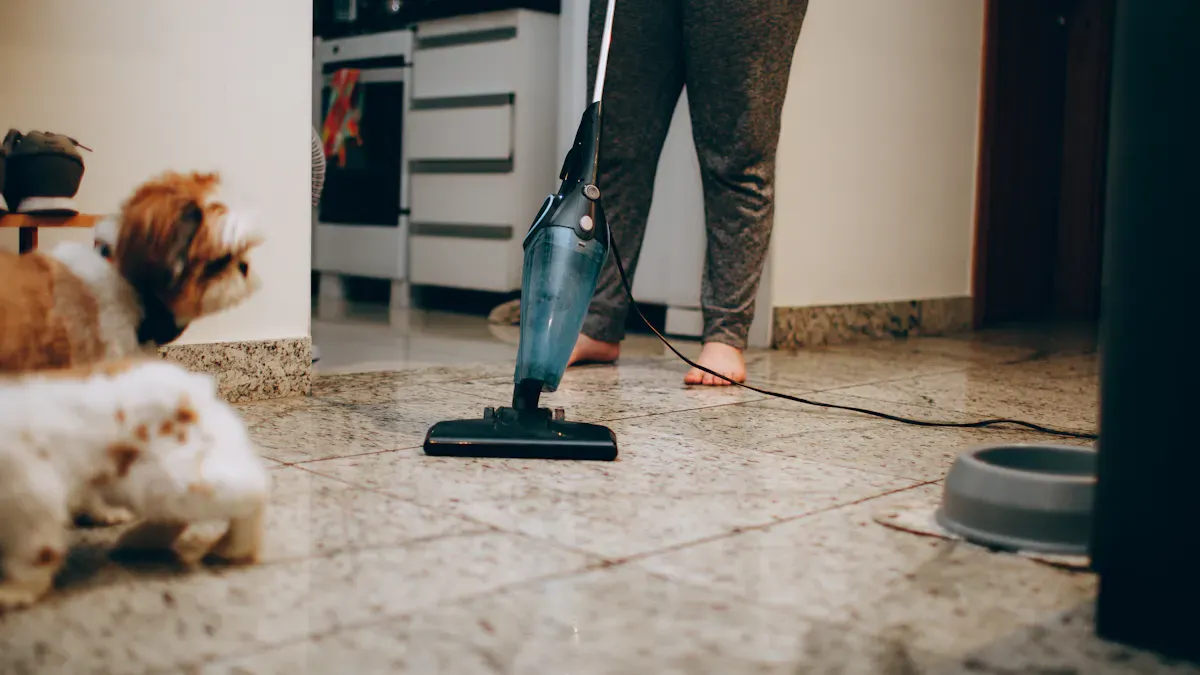
Tile floors are a popular choice in many homes, especially in kitchens and bathrooms. They offer durability and a wide range of design options. Using a vacuum-mop combo on tile surfaces can significantly enhance your cleaning routine. Vacuum mops are specifically designed for hard floors, including tile. They pick up dirt and debris more efficiently than traditional vacuum cleaners. This efficiency is particularly noticeable when cleaning grout lines, which can trap dirt that regular vacuuming might miss.
Using a vacuum-mop combo in areas like bathrooms and kitchens, where tile is prevalent, provides genuine cleaning power. This method makes the cleaning process more convenient compared to manual cleaning methods.
Considerations
When using vacuum mops on tile floors, keep a few important considerations in mind:
Surface Compatibility: Ceramic and porcelain tiles are ideal surfaces for vacuum mop use. These tiles provide a hard, even surface that allows for excellent traction and mobility for robot vacuums. Modern robot mops are specifically designed to work effectively on tile surfaces.
Pre-Cleaning: Vacuuming tile floors before mopping is essential. This step removes loose dirt, dust, and debris, especially from grout lines. Mopping alone may not effectively remove all dirt and debris, particularly in hard-to-reach areas.
Grout Issues: Grout lines can trap debris that vacuum brushes may struggle to extract. Dark grout can confuse robot vacuums’ infrared sensors, leading them to avoid those areas. Wider grout lines can complicate cleaning by trapping more debris.
Gentle Cleaning Tools: Avoid using abrasive tools like steel wool or harsh scrubbers that can scratch tiles and damage grout. Instead, opt for non-abrasive tools such as microfiber cloths or soft brushes. Limit the amount of water used during mopping, as excessive water can seep into grout, promoting mold and mildew growth.
By following these considerations, you can maintain the beauty and functionality of your tile floors while ensuring effective cleaning with your vacuum mop.
Laminate and LVP Floors
Overview
Laminate and luxury vinyl plank (LVP) floors are popular choices for homeowners. They offer a stylish look while being durable and easy to maintain. Using a vacuum-mop combo on these surfaces can simplify your cleaning routine. However, you should be aware of some challenges. For instance, robot vacuum-mop combos often struggle with dried stains. They may roll over tough stains, like dried coffee, without cleaning them effectively. Traditional cleaning tools may perform better in these situations.
Considerations
When using vacuum mops on laminate and LVP floors, keep these important points in mind:
Moisture Sensitivity:
LVP is water-resistant but not waterproof. Improper cleaning can lead to moisture damage.
Laminate flooring is very sensitive to water. Even brief exposure can cause irreversible damage.
Excessive moisture during cleaning can force water between planks, risking damage.
Choosing the Right Vacuum Mop:
Feature
Description
Rubber or felt-lined wheels
Prevents scuff marks and scratching on hard surfaces.
Brush roll that can be turned off
Avoids flinging debris and causing scratches on hard floors.
Gentle suction settings
Sufficient to remove dust and crumbs without damaging the floor.
By considering these factors, you can maintain the beauty and integrity of your laminate and LVP floors while ensuring effective cleaning with your vacuum mop.
Vinyl Floors
Overview
Vinyl floors are a popular choice for many homeowners. They offer a stylish look and are easy to maintain. You can safely use a vacuum-mop combo on vinyl surfaces. These devices effectively clean dirt and debris while mopping. The Bissell CrossWave wet-dry vac is one example of a vacuum mop designed for vinyl flooring. It vacuums and mops simultaneously, making it easier to maintain your floors. However, be cautious, as it can sometimes leave the floor wet by distributing too much cleaning solution.
Considerations
When using a vacuum mop on vinyl floors, keep these important points in mind:
Cleaning Agents: Always use a pH-neutral floor cleaner. Some manufacturers recommend a homemade solution of one cup of vinegar per gallon of water. Avoid common floor polishes, waxes, and abrasive cleaners. These can damage your vinyl.
Mopping Technique: Use a damp mop with a small amount of cleaner. Ensure no standing water remains on the floor after cleaning. Excess moisture can lead to damage over time.
Surface Compatibility: Vinyl floors are more compatible with vacuum mops than unsealed hardwood or waxed floors. You can mop freely on luxury vinyl plank (LVP), tile, and linoleum. However, always check manufacturer specifications for sealed hardwood and laminate.
By following these guidelines, you can maintain the beauty and durability of your vinyl floors while ensuring effective cleaning with your vacuum mop.
Carpeted Floors
Overview
Carpeted floors add warmth and comfort to your home. However, using a vacuum-mop combo on carpets can be tricky. These devices primarily target hard surfaces and may not clean carpets effectively. They often lack the suction power needed to extract moisture fully, leaving carpets damp. The liquid distribution during cleaning can also limit their effectiveness on carpeted surfaces. For best results, consider using a traditional upright vacuum for carpets.
Considerations
When using a vacuum mop on carpeted floors, keep these important points in mind:
Vacuum Mop Limitations:
Vacuum mops are designed specifically for hard floors.
They do not provide the suction power needed for carpets.
They often leave carpets damp after cleaning.
Recommended Settings:
Carpet Type
Vacuum Height Setting
Suction Level
Brush Agitation
Low-pile
Lowest setting
Strong
Minimal
High-pile
Higher setting
Low
Moderate to High
For low-pile carpets, set your vacuum mop to the lowest height and use strong suction. This setting helps remove dirt and debris effectively. For high-pile carpets, increase the height and reduce suction to avoid damaging the fibers.
Using the right settings ensures you maintain your carpet’s appearance and longevity. Always check your vacuum mop’s manual for specific recommendations. By understanding these factors, you can make informed decisions about your cleaning routine.
Concrete Floors
Overview
Concrete floors are common in many homes and commercial spaces. They offer durability and ease of maintenance. You can safely use a vacuum-mop combo on sealed concrete floors. These devices effectively lift dust and dirt without causing damage. This feature is essential for preserving the appearance and longevity of your floors. Regular vacuuming prevents scratches that can dull the shine of sealed concrete. Vacuum mops also excel at cleaning corners and textured areas, enhancing overall maintenance.
Considerations
When using vacuum mops on concrete floors, consider the following:
Sealed Concrete:
Vacuum mops work well on sealed concrete. They clean effectively and maintain the floor’s finish.
Concrete floors are easier to clean than other types. They lack grout lines where dirt can accumulate, making vacuum mops a practical choice.
Unsealed Concrete:
Use minimal water when cleaning unsealed concrete floors to avoid damage.
Ensure thorough drying of the floor to prevent mildew and mold.
Avoid using vinegar on unsealed concrete, as it can cause etching and damage.
By following these guidelines, you can maintain the beauty and functionality of your concrete floors while ensuring effective cleaning with your vacuum mop.
Natural Stone Floors
Overview
Natural stone floors add elegance to your home. They come in various types, including polished marble, travertine, and limestone. You can use a vacuum-mop combo on these surfaces, but you must be cautious. These devices effectively clean dirt and debris without scratching the stone. However, you should always check the manufacturer’s guidelines for your specific floor type to ensure compatibility.
Considerations
When using a vacuum mop on natural stone floors, keep these important points in mind:
Cleaning Solutions:
Use a pH-neutral, stone-safe cleaner for routine cleaning.
pH-neutral cleaners are the safest choice for all tile and stone types. They effectively remove dirt without damaging surfaces.
Avoid Excess Water:
Natural stone can absorb moisture. Excess water can lead to stains or damage over time.
Always ensure that your vacuum mop does not leave standing water on the floor.
Gentle Cleaning Tools:
Avoid abrasive pads or harsh chemicals. These can scratch or dull the surface of your stone floors.
Opt for soft microfiber pads that are safe for natural stone.
By following these guidelines, you can maintain the beauty and durability of your natural stone floors while ensuring effective cleaning with your vacuum mop.
Bamboo Floors
Overview
Bamboo floors offer a unique blend of beauty and sustainability. They are durable and can withstand daily wear. You can use a vacuum-mop combo on bamboo surfaces, but you must take care to avoid damage. These floors require special attention during cleaning to maintain their appearance and longevity.
Considerations
When using a vacuum mop on bamboo floors, keep these important points in mind:
Avoid Beater Bars: Bamboo floors can scratch easily. Regular vacuuming helps minimize dirt exposure, which can lead to scratches. Use a vacuum with a gentle suction setting and avoid solid vacuum heads directly on the floor.
Moisture Management: Steam mops can infuse bamboo with humidity, risking damage over time. Repeated moisture exposure can cause swelling and warping. Always ensure your vacuum mop does not leave standing water on the surface.
Cleaning Solutions:
Avoid using vinegar, as it can dull or etch the finish.
Do not use steam mops; the combination of heat and moisture is harmful to bamboo.
Steer clear of ammonia or bleach-based cleaners, as these are too harsh for regular maintenance.
Avoid oil soaps and waxes, which leave residue that complicates future cleaning.
Do not use abrasive pads or powders, as these can scratch the surface instead of cleaning it.
By following these guidelines, you can maintain the beauty and durability of your bamboo floors while ensuring effective cleaning with your vacuum mop.
Understanding vacuum mop floor compatibility is crucial for effective cleaning. You should assess your flooring type before using a vacuum-mop combo. Here are some key takeaways:
Never Mop: Unsealed hardwood, waxed floors, most carpets, and rugs.
Mop with Caution: Sealed hardwood and laminate (check manufacturer specs).
Mop Freely: LVP, tile, linoleum, and sealed cork.
By choosing the right cleaning tools, you can maintain your floors and keep them looking their best.
FAQ
What types of floors should I avoid cleaning with a vacuum mop?
Avoid using vacuum mops on unsealed hardwood, waxed floors, and most carpets. These surfaces can sustain damage from moisture and improper cleaning.
Can I use a vacuum mop on sealed hardwood floors?
Yes, you can use a vacuum mop on sealed hardwood floors. Just ensure you use minimal moisture to prevent warping or damage.
How often should I clean my floors with a vacuum mop?
You should clean your floors with a vacuum mop as needed, typically once a week. High-traffic areas may require more frequent cleaning.