Keeping your vacuum mop in top shape is crucial for both its performance and your home’s hygiene. Neglecting regular vacuum mop maintenance can lead to problems like clogging and unpleasant odors. In fact, studies show that dirty carpets can trap up to 200,000 bacteria per square inch! Regular care can help you maintain optimal performance and a fresher environment.
Daily Vacuum Mop Maintenance
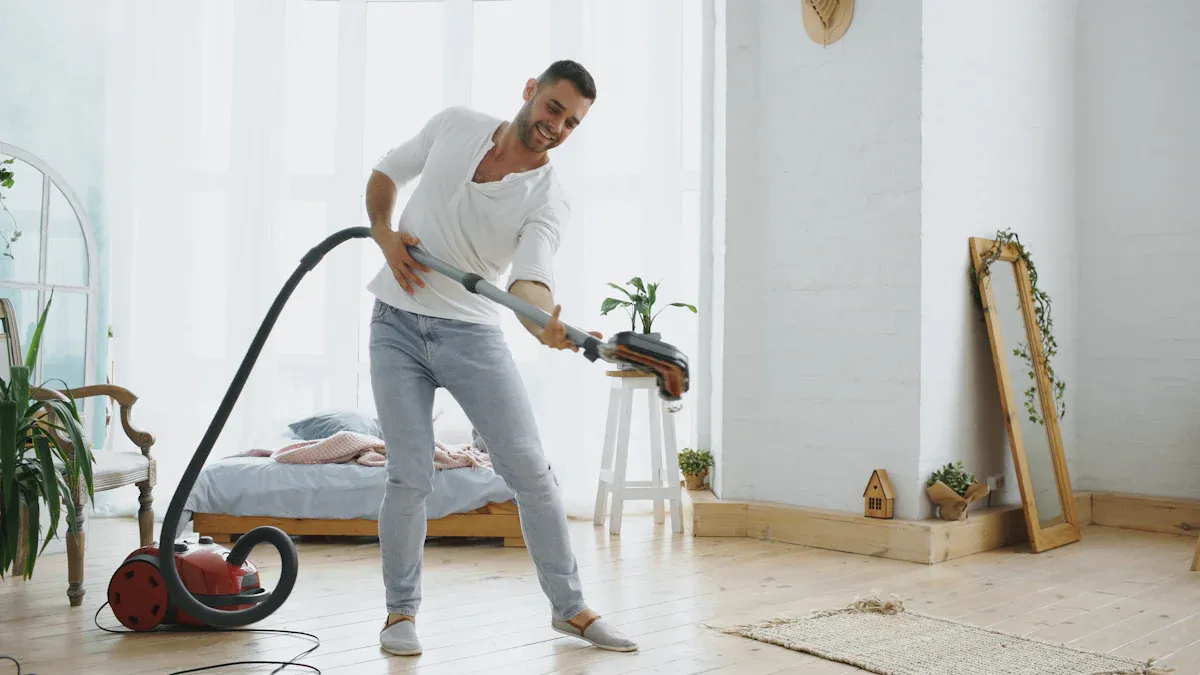
Emptying the Dustbin
To keep your vacuum mop running smoothly, emptying the dustbin regularly is essential. A full dustbin can lead to reduced suction and even clogging. Here are some tips to help you maintain optimal performance:
Daily Emptying: If you have pets that shed a lot or use your vacuum daily, empty the dustbin after each use. This prevents clogging and maintains suction.
Every 2-3 Uses: For smaller homes with less dust and no pets, you can wait 2-3 cleaning cycles before emptying. However, always check the dustbin to avoid overfilling.
Remember, keeping the dustbin clear helps you avoid trapped dirt and ensures your vacuum mop works effectively.
Cleaning the Filters
Cleaning the vacuum filter is another crucial step in your maintenance routine. A dirty filter can lead to odors and decreased performance. Follow these steps to keep your filter in top shape:
Turn off and unplug the vacuum to ensure safety.
Carefully remove the filter, ideally outside or over a trash bin.
Tap the filter to remove loose dust, and use a soft brush for stubborn particles.
If the filter is washable, rinse it with lukewarm water. Avoid harsh detergents and rinse until clear.
Let the filter air dry for 24–48 hours in a well-ventilated area, avoiding direct sunlight.
Reinstall the filter only when it is completely dry.
By regularly cleaning the filter, you prevent clogged filters and maintain optimal suction. Don’t forget to inspect the brush and remove hair from the brush roll to keep everything running smoothly.
In addition to these tasks, make sure to clean the mopping cavity and mop pad regularly. Removing visible dirt and debris helps maintain hygiene and prevents odors from building up. Following a consistent maintenance schedule will keep your vacuum mop in excellent condition, ensuring a cleaner home.
Deep Cleaning for Odor Control
Disassembling the Mop
To keep your vacuum mop fresh and odor-free, deep cleaning is essential. Start by disassembling the mop according to the manufacturer’s instructions. This allows you to access all the internal parts that can trap dirt and moisture. Here’s how to do it:
Unplug the Mop: Always ensure your mop is unplugged before you start disassembling.
Remove the Water Tank: Take out the water tank and empty any remaining liquid. Rinse it thoroughly to prevent any buildup.
Take Off the Mop Pad: Detach the mop pad for washing. If it’s reusable, you’ll want to clean it regularly to avoid odors.
Access the Brush Roll: Remove the brush roll carefully. This part often collects hair and debris, which can lead to clogs and unpleasant smells.
Cleaning the brush roll is particularly important. Regularly cleaning it prevents clogs and maintains suction power. Plus, it prolongs the lifespan of your vacuum mop. Don’t forget to clean the hose as well. A clean hose keeps your vacuum running efficiently and avoids diminished suction.
Washing Mop Pads
Your mop pads play a significant role in maintaining a clean environment. To prevent bacterial growth and odors, wash them after every few uses or whenever they look dirty. Here’s how to do it effectively:
Machine Wash: Most microfiber mop pads are machine washable. Use a gentle cycle with mild detergent. Avoid fabric softeners, as they can reduce the pad’s effectiveness.
Air Dry: After washing, let the mop pads air dry completely. This helps maintain their shape and prevents any moisture buildup that could lead to mold.
If your vacuum mop has a self-clean cycle, use it regularly. This cycle uses high temperatures (up to 194°F) to eliminate bacteria and moisture, key contributors to odors. The dual-direction brush rotation ensures thorough cleaning of the roller mop, keeping it fresh. An innovative drying system restores the mop’s fluffiness and minimizes moisture buildup, preventing mold. Plus, a built-in deodorizing box neutralizes odors, enhancing the overall freshness of your cleaning environment.
By incorporating these deep cleaning practices into your routine, you can effectively prevent smells and keep your vacuum mop in top condition.
Regular maintenance of your vacuum mop keeps it running smoothly and helps you enjoy a cleaner home. By emptying dust bins, cleaning brushes, and ensuring sensors are unblocked, you can enhance indoor air quality and prolong your mop’s lifespan. Implement these practices for better cleaning results and fewer repairs!
FAQ
What should I do if my vacuum mop smells bad?
If your vacuum mop smells, clean the mop pads and filters. Regularly deep clean the brush roll and hoses to eliminate odors.
How often should I clean my vacuum mop?
You should clean your vacuum mop after every few uses. Regular maintenance keeps it fresh and prevents clogs.
Can I use regular detergent on mop pads?
Avoid using regular detergent. Use mild detergent specifically designed for microfiber to maintain the effectiveness of your mop pads.