Do you notice your vacuum isn’t picking up dirt as well as it used to? Recognizing the signs your vacuum filter needs changing can keep your home clean and fresh. Timely vacuum filter replacement not only boosts performance but also helps maintain a healthy environment. Regularly checking your filter can make a big difference!
Key Takeaways
Check your vacuum filter regularly. A clean filter boosts suction power and improves cleaning efficiency.
Replace your vacuum filter if you notice unpleasant odors or visible dirt. This helps maintain a fresh-smelling home and prevents health issues.
Follow recommended replacement schedules based on your usage. Regular changes can save you money on energy costs and repairs.
Reduced Suction Power
Dust Escaping While Vacuuming
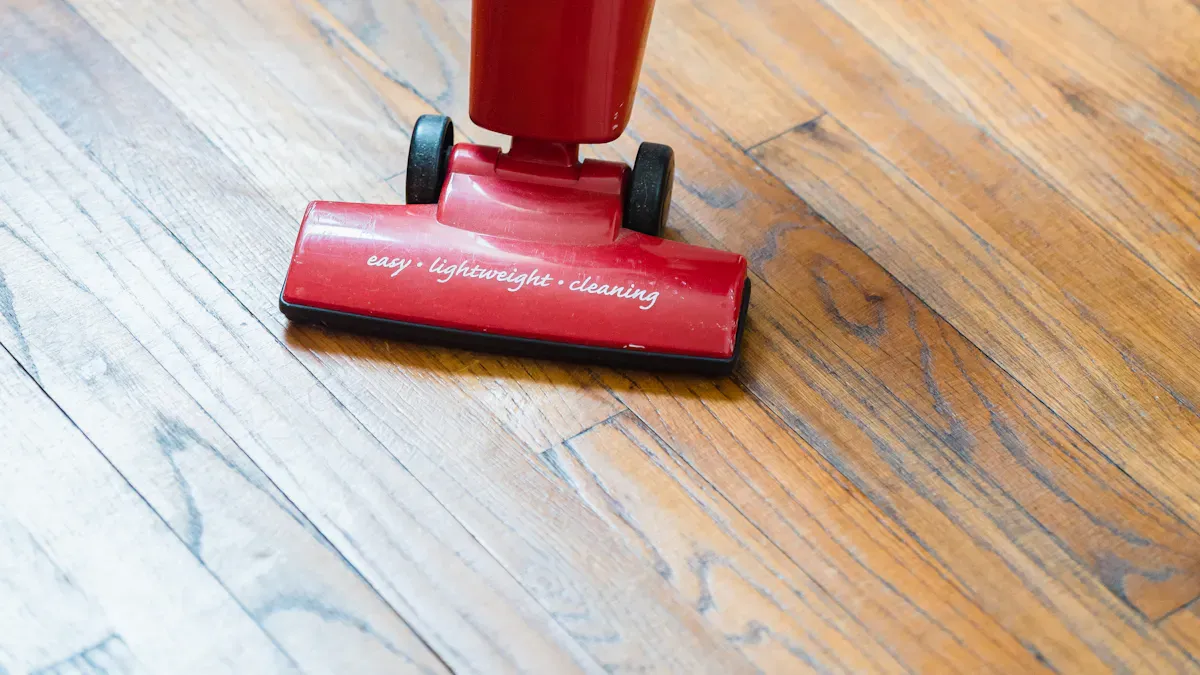
Have you noticed dust escaping while you vacuum? This is often a clear sign of reduced suction power. A clogged filter can significantly impact how well your vacuum performs. When the filter gets dirty, it restricts airflow, making it harder for your vacuum to pick up dirt and debris. In fact, laboratory tests show that when a filter has only 50% effective porosity, the airflow drops to just 1,831 CFM, which is a staggering 52.2% reduction compared to normal conditions.
To check if your vacuum is losing suction, try these simple methods:
Use a custom-made pressure gauge with a water container and plastic pipes to measure suction pressure.
Employ a dry gas meter to measure the airflow rate of your vacuum cleaner.
Always use standardized methods for accurate comparisons.
If you notice that dust and allergens are escaping into the air, it might be time to check your filter. Other warning signs include a full vacuum bag, which can also lead to decreased airflow. When airflow decreases, not only does suction weaken, but the motor may overheat, risking damage to your vacuum.
Keeping an eye on these signs can help you maintain your vacuum’s efficiency and ensure a cleaner home.
Unpleasant Odors
Have you ever noticed a musty or foul smell while vacuuming? If so, your vacuum filter might be the culprit. Filters can trap odors from old dirt, pet dander, and even moisture that gets sucked up during cleaning. When these materials build up, they can decompose and create unpleasant odors that linger in your home.
Maintaining a fresh-smelling home is essential for your comfort and well-being. A clean environment not only feels good but also promotes better health. If your vacuum emits unpleasant odors, it’s a clear warning sign that you need to check your filter.
Here are some common causes of unpleasant odors in vacuum cleaners:
Old dirt in the collection chamber or bags
Pet dander that can cause filters to need replacement sooner
Moisture trapped inside the vacuum
Accumulation of pet hair, especially if your furry friend has wet paws or accidents
When vacuum filters become dirty, they can produce various unpleasant odors, including musty smells and foul odors from decomposing debris. If you notice these smells, it’s time to replace your filter. Regularly changing your vacuum filter not only eliminates these odors but also improves your overall cleaning experience.
So, don’t ignore those warning signs! Keeping your vacuum filter clean will help you maintain a fresh-smelling home and ensure your vacuum works efficiently.
Visible Dirt on Filter
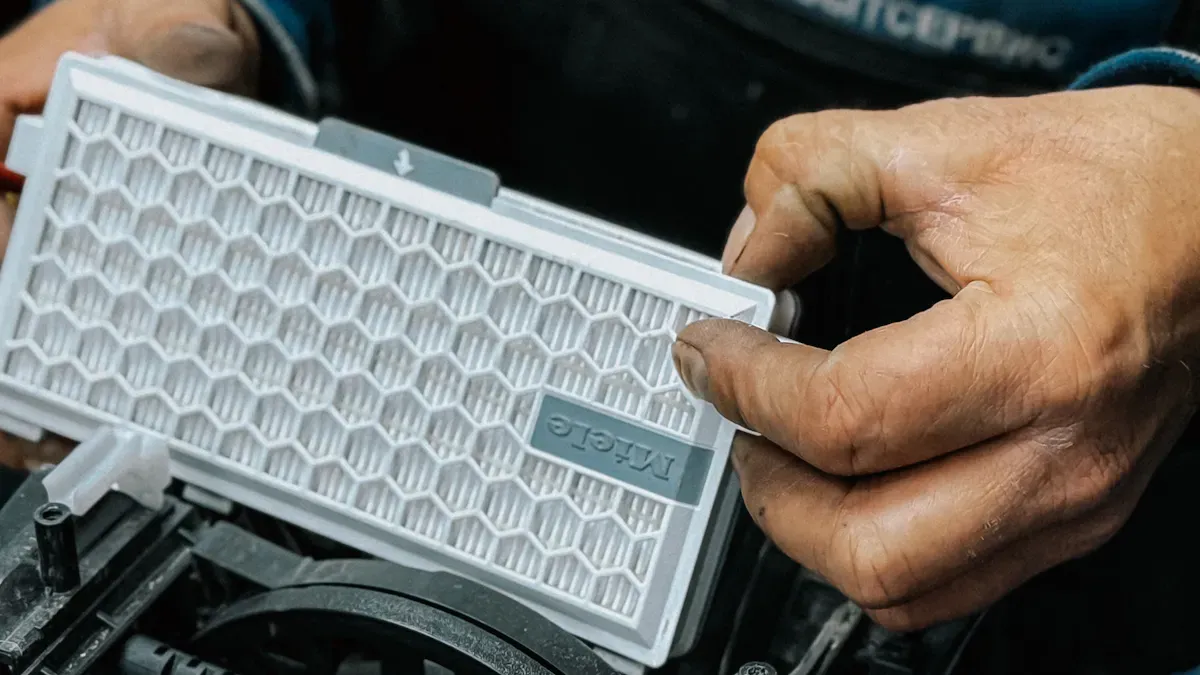
When you check your vacuum filter, what do you see? If you spot visible dirt or dark discoloration, it’s a strong indication that your filter needs replacing. A gray or brown filter means it’s at capacity and should be swapped immediately. You might also notice lingering, musty odors after vacuuming. These odors signal that your filter is saturated with bacteria, dander, and allergens.
Here are some warning signs to look for:
Visible dirt or dark discoloration: This shows your filter is full.
Lingering odors: Musty smells indicate trapped debris.
Increased dust in the air: If you see fine particles puffing out of the exhaust, your filter is likely past its prime.
A dirty filter can seriously impact your vacuum’s performance. It forces the motor to work harder, which can lead to overheating and even damage over time. Moreover, dirty filters can recirculate dust and bacteria back into your home, compromising your family’s health.
To maintain optimal performance, change your vacuum filter regularly. This is especially crucial in homes with pets, where hair and odors can build up quickly. By keeping your filter clean, you ensure a healthier environment and a more effective cleaning experience.
Increased Allergy Symptoms
Do you find yourself sneezing or coughing more often when you vacuum? If so, your vacuum filter might be to blame. Ineffective filters can allow dust, pet dander, and other allergens to escape back into your home. This can lead to increased allergy symptoms, making your living space uncomfortable.
For allergy sufferers, changing your vacuum filter regularly is crucial. Allergists recommend specific replacement schedules to maintain good air quality. Here are some guidelines to follow:
Replace central vacuum filters every 3-4 months to keep air quality high and vacuum efficiency intact.
If you have a HEPA filter, change it every 6 to 12 months for optimal performance.
Pet owners should consider replacing filters every three months to prevent allergens from circulating.
Ignoring these warning signs can worsen your symptoms and lead to poor indoor air quality. You might notice that your allergies flare up more frequently if your vacuum filter is clogged. A clean filter helps trap allergens effectively, ensuring that you breathe easier while cleaning.
So, if you’re experiencing increased allergy symptoms, take a moment to check your vacuum filter. Changing your vacuum filter can make a significant difference in your home’s air quality and your overall well-being. Don’t let a dirty filter compromise your comfort!
Overheating Issues
Have you ever noticed your vacuum getting unusually hot while you clean? This can be a sign of overheating, which can lead to serious damage if not addressed. Here are some common signs that your vacuum might be overheating:
A burnt-out motor often emits a distinct burning odor, indicating overheating and potential damage.
Vacuums with thermal protection may shut off when overheating, signaling that the motor is struggling.
A burning smell from the vacuum is a significant warning sign of overheating or burning electrical components.
If the vacuum feels unusually hot, it indicates overheating, often due to blockages or motor issues.
So, what causes these overheating problems? A clogged filter plays a major role. When your filter gets dirty, it restricts airflow. This forces the motor to work harder to maintain suction. As the motor struggles against the obstruction, its internal temperature rises, leading to overheating.
Neglecting to clean or replace filters regularly can cause clogging of the airflow system. This can lead to low suction power and overheating of the motor, which can cause significant damage. To keep your vacuum running at optimal performance, make sure to check and change your filter as needed.
By staying on top of filter maintenance, you can prevent overheating issues and extend the life of your vacuum. Remember, a little attention goes a long way in keeping your vacuum in top shape!
Frequent Clogs
Do you often find your vacuum getting clogged? A dirty filter can be a major culprit. When your filter is clogged, it restricts airflow. This reduced airflow can lead to more frequent clogs in your vacuum. You might notice that your vacuum struggles to pick up dirt, and you may even see dirt escaping. Here are some signs that your filter might be causing clogs:
Reduced airflow: A clogged filter directly indicates potential vacuum clogs.
Increased energy costs: If your vacuum uses more power than usual, it might be due to an obstructed filter.
Visible dirt accumulation: If you see dirt on your filter or notice musty odors, it’s time to check it.
To prevent clogs and keep your vacuum running smoothly, follow these tips:
Change your vacuum’s belt: Replace it annually to ensure the roller brush works effectively.
Clean the roller brush: Regularly remove hair and debris to maintain agitation.
Replace the vacuum bag when full: Change it when it’s 70-80% full to maintain suction power.
Keep vacuum filters clean: Clean washable filters every three months and replace them as needed.
Monitor vacuum performance: Stop using the vacuum if you notice reduced performance or overheating.
Properly adjust nozzle height: Ensure the nozzle height is set correctly for optimal cleaning.
By staying on top of these maintenance tasks, you can reduce the chances of clogs and keep your vacuum performing at its best. Remember, a little care goes a long way in ensuring your vacuum stays efficient!
Recommended Replacement Frequency
How often should you change your vacuum filter? It really depends on how you use your vacuum and the environment you clean. Here are some general guidelines to help you out:
HEPA filters: Change every 6 to 12 months for normal use.
Light vacuuming: Filters can last up to a year.
Daily use: Consider changing filters every six months.
Pet owners: Replace filters every three months to keep allergens at bay.
High-traffic homes: Check filters every four to six months.
Remember, these are just guidelines. Your specific needs may vary based on your cleaning habits and home environment.
Several factors can affect how long your vacuum filter lasts:
Quality of Filter Media: High-quality filters resist clogging and last longer.
Operating Conditions: Harsh chemicals or abrasive particles can wear out filters quickly.
Frequency of Use: The more you vacuum, the faster contaminants build up.
Maintenance and Cleaning: Regular maintenance helps prevent clogging and keeps your vacuum efficient.
To give you a clearer picture, here’s a quick table summarizing recommended change intervals based on different vacuum types:
Filter Type | Ideal Use | Recommended Change Interval |
|---|---|---|
Standard filters | Residential use | Every 3 to 6 months |
HEPA filters | Allergy-prone households | Every 6 to 12 months |
Commercial vacuums | Frequent use | At least once a year |
Pet households | Homes with pets | Every 3 months |
By keeping track of these recommendations, you can ensure your vacuum runs smoothly and efficiently. Regular vacuum filter replacement not only improves performance but also contributes to a healthier home environment.
Recognizing when to replace your vacuum filter is vital for keeping your home clean and healthy. Here are some key points to remember:
Improved cleaning efficiency: A clean filter maximizes suction power.
Better indoor air quality: Regular maintenance traps allergens and harmful particles.
Cost savings: Efficient vacuums use less energy and reduce repair costs.
Make it a habit to check your filters regularly. Your vacuum—and your home—will thank you!